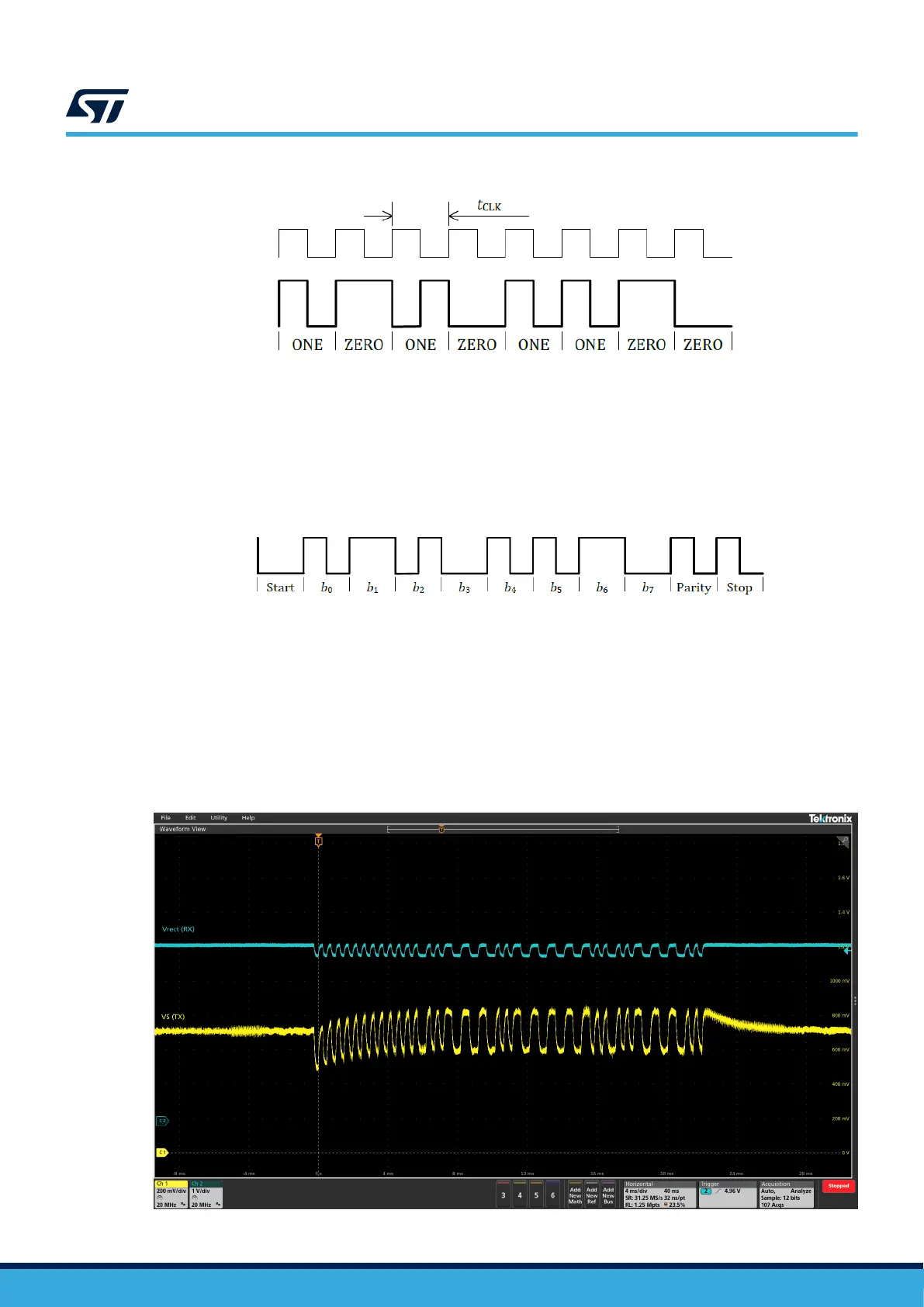
Figure 45. Example of a differential bi-phase encoding scheme
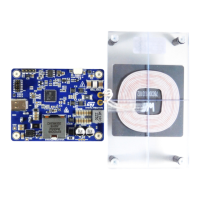
To transmit a single byte of data, the power receiver must send an 11-bit sequence. This sequence consists of a
START bit (ZERO), the 8 data bits of the byte (LSB first), a parity bit and a STOP bit (ONE). The parity is odd,
meaning an even number of ONE bits in the data byte results in the parity bit being equal to ONE, while an odd
number of ONE bits in the data byte results in the parity bit being equal to ZERO. An example of such message
can be seen in the image below:
Figure 46. Example of the asynchronous serial format
A packet consists of a preamble, header, message, and checksum. The preamble contains 11 to 25 ONE bits
and enables the power transmitter to synchronize with the incoming data. The header, message, and checksum
are sequences of three or more bytes. The header indicates the packet type while also implicitly providing the size
of the message. The checksum consists of a single byte. It is calculated as an exclusive-OR of both the header
and message bytes and enables the power transmitter to check for transmission errors.
For a more detailed explanation please refer to the Qi Specification, section Power Receiver to Power Transmitter
communications interface.
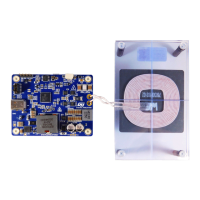
Figure 47. ASK communication example - high load current
UM3161
Bidirectional communication
UM3161 - Rev 1
page 36/78


 To Next Page