2 Warnings, cautions and notices 7
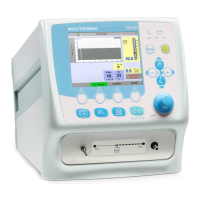
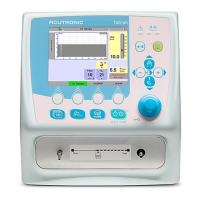
fabian +nCPAP evolution | SW V5.1.x
Ref: 122003.EN / Date : 26Jan2021
NOTE: In general, it should be noted that ventilation of children should only
be carried out by clinically trained specialists who have sufficient knowledge
of ventilation of patients of the specified age.
Before use, carefully read the following literature:
• Oximetry Sensor Directions for Use
• PC-Series Patient Cable Directions for Use.
EXPLOSION HAZARD: DO NOT use the pulse oximeter in the presence of
flammable anesthetics or other flammable substances in combination with
air, oxygen-enriched environments, or nitrous oxide.
Check alarm limit settings each time the pulse oximeter is used.
A pulse oximeter should NOT be used as an apnea monitor.
A pulse oximeter should be considered an early warning device. As a trend
towards patient deoxygenation is indicated, blood samples should be
analyzed by a laboratory co-oximeter to completely understand the patient's
condition.
Always remove the sensor from the patient and completely disconnect the
patient from the pulse oximeter before bathing the patient.
DO NOT use malfunctioning equipment. Have the pulse oximeter unit
repaired by Masimo or a qualified service person.
ELECTRIC SHOCK HAZARD: DO NOT remove the pulse oximeter cover. There
are no user-serviceable items inside the oximeter.
• An operator may only perform maintenance procedures specifically
described in this manual.
• ONLY connect IEC 60601-1 or IEC 60950-1 compliant devices to Ethernet,
Nurse call, and RS232 ports.
If the accuracy of any measurement by the pulse oximeter does not seem
reasonable, first check the patient's vital signs by alternate means, and then
check the oximeter for proper functioning.
WARNING: Only use air and O
2
hoses which are in accordance to the ISO 5359
standard
WARNING: DO NOT use the ventilator in association with HF (High Frequency)
electrosurgical equipment.
WARNING: Connect SpO
2
and etCO
2
sensor cables to the machine before the
patient is connected.



 To Next Page