Virtual Leased Line Services
7210 SAS-X, R6 OS Services Guide Page 149
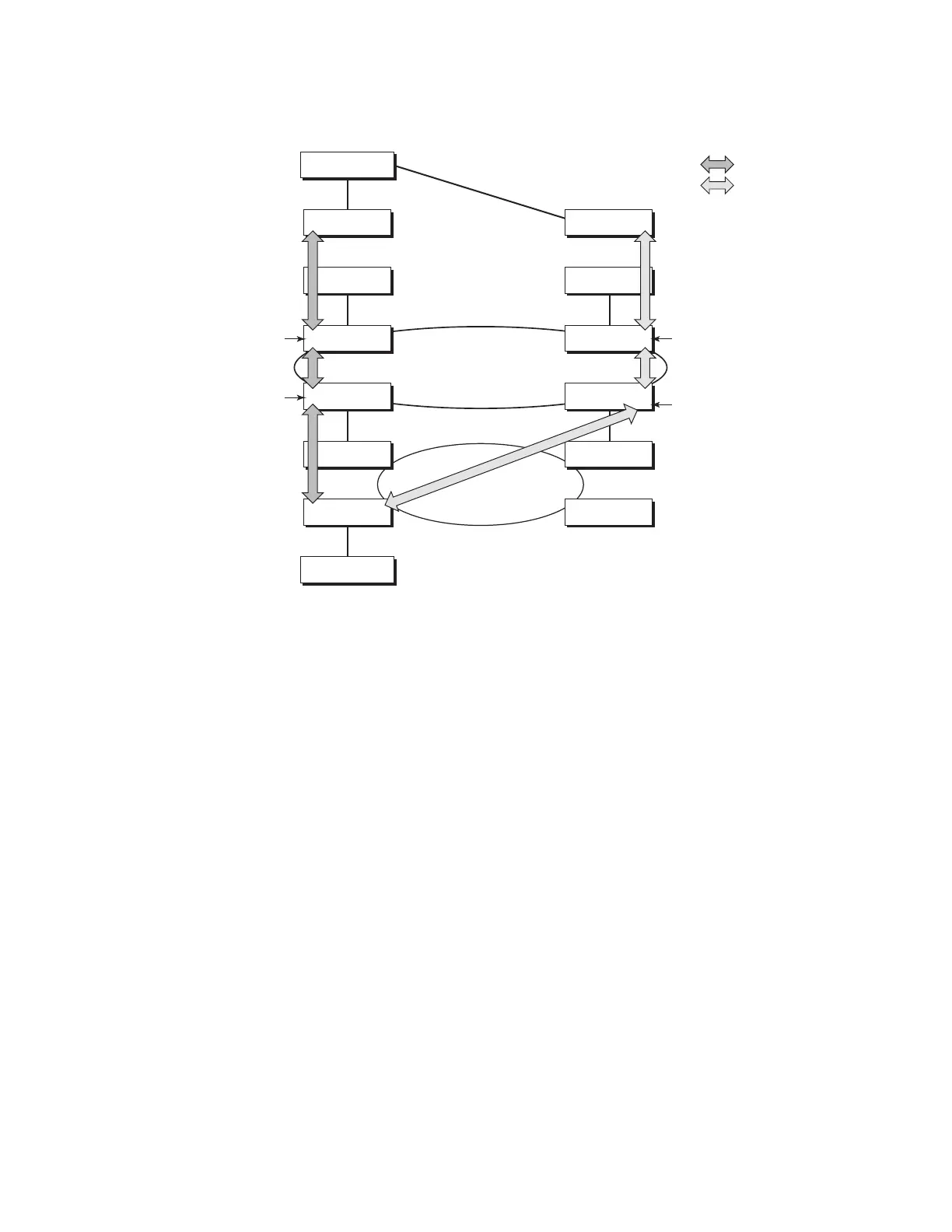
Figure 21: VLL Resilience with Pseudowire Redundancy and Switching
Pseudowire switching is a method for scaling a large network of VLL or VPLS services by
removing the need for a full mesh of T-LDP sessions between the PE nodes as the number of these
nodes grows over time.
Like in the application in VLL Resilience with Two Destination PE Nodes on page 339, the T-PE1
node switches the path of a VLL to a secondary standby pseudowire in the case of a network side
failure causing the VLL binding status to be DOWN or if T-PE2 notified it that the remote SAP
went down. This application requires that pseudowire status notification messages generated by
either a T-PE node or a S-PE node be processed and relayed by the S-PE nodes.
Note that it is possible that the secondary pseudowire path terminates on the same target PE as the
primary, for example, T-PE2. This provides protection against network side failures but not
against a remote SAP failure. When the target destination PE for the primary and secondary
pseudowires is the same, T-PE1 will normally not switch the VLL path onto the secondary
pseudowire upon receipt of a pseudowire status notification indicating the remote SAP is down
since the status notification is sent over both the primary and secondary pseudowires. However,
the status notification on the primary pseudowire may arrive earlier than the one on the secondary
pseudowire due to the differential delay between the paths. This will cause T-PE1 to switch the
path of the VLL to the secondary standby pseudowire and remain there until the status notification
OSSG114
Core area
Metro area B
Metro area A
Access Node
Access Node
7710 T-PE2
7710 T-PE1
7710
7710
7710 S-PE3
7710 S-PE1
7710 T-PE3
Primary PW
Standby PW
7710
7710
7710
7710 S-PE4
PW switching
SDP6:600
SDP4:400
SDP1:100
SDP3:300
7710 S-PE2
PW switching
PW switching
PW switching





 To Next Page