Virtual Private LAN Services
7210 SAS-X, R6 OS Services Guide Page 235
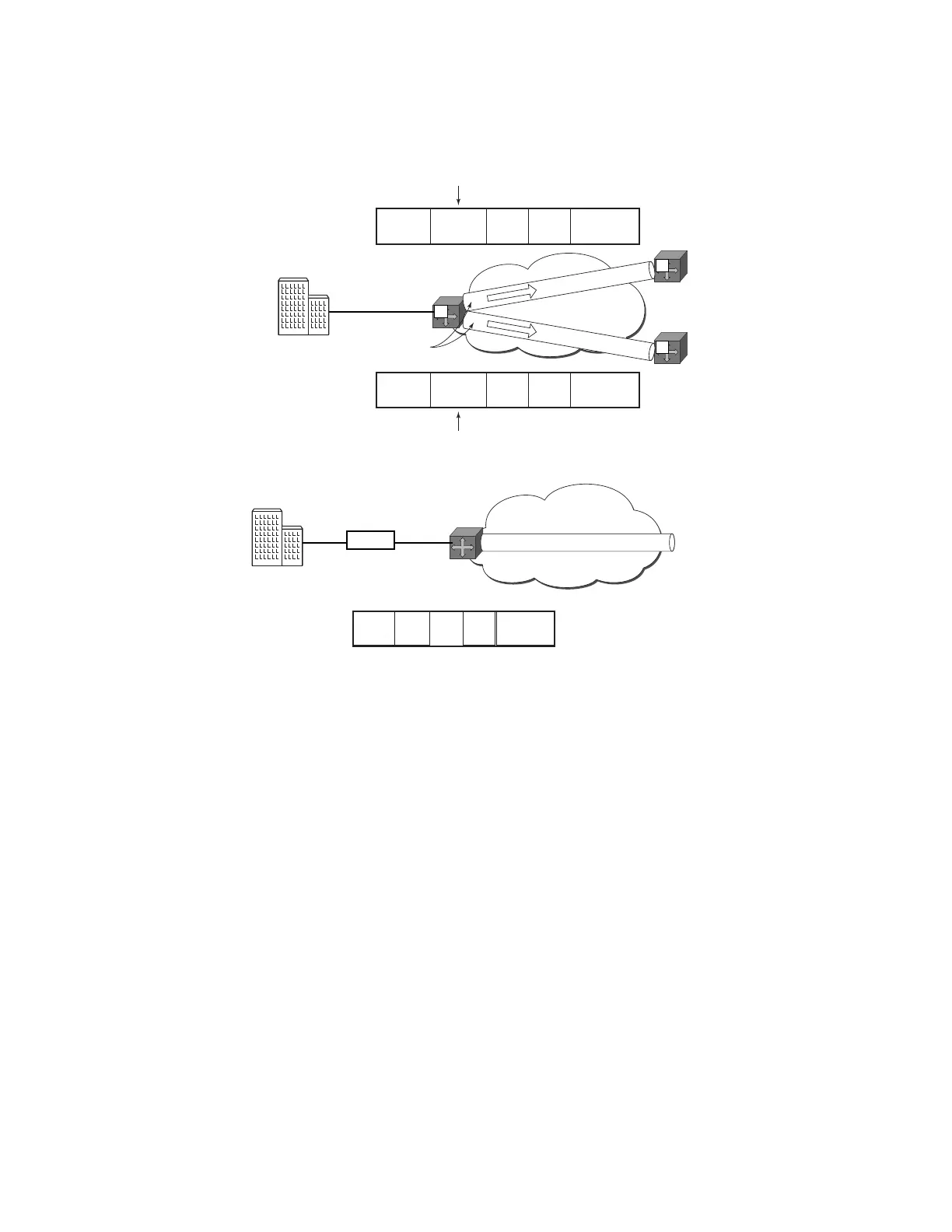
Figure 28: Network Port Egress Packet Format and Flooding
2. Core Router Switching
a. All the core routers ('P' routers in IETF nomenclature) between PE-Router-A and PE-Rout-
er-B and PE-Router-C are Label Switch Routers (LSRs) that switch the packet based on the
transport (outer) label of the packet until the packet arrives at far-end PE-Router. All core
routers are unaware that this traffic is associated with a VPLS service.
3. 7210-C (Figure 27)
a. 7210-C associates the packet with the VPLS instance based on the VC label in the received
packet after the stripping of the tunnel label.
b. 7210-C learns the source MAC address in the packet and creates an entry in the FIB table
that associates the MAC address to the spoke SDP on which the packet was received.
c. The destination MAC address in the packet is looked up in the FIB table for the VPLS in-
stance. Again, there are two possibilities: either the destination MAC address has already
been learned (known MAC address) or the destination MAC address has not been learned
on the access side of 7210-C (unknown MAC address).
PE A
PE C
PE B
Customer
Location A
IP/MPLS Network
Tunnel
Label
VC
Label Y
Src
MAC
Dest
MAC
Pre-assigned and
signaled by PE ‘B’.
Apply VC and
Tunnel Labels
Pre-assigned and
signaled by PE ‘C’.
Customer
Packet
OSSG203
B
B
B
Tunnel
Label
VC
Label X
Src
MAC
Dest
MAC
Customer
Packet
PE C
Customer
Location C
OSSG-7210M
7210-C
DST
MAC
SRC
MAC
Q-tagQ-tag
1 2
Customer
Packet
Uplink Q-tags



 To Next Page