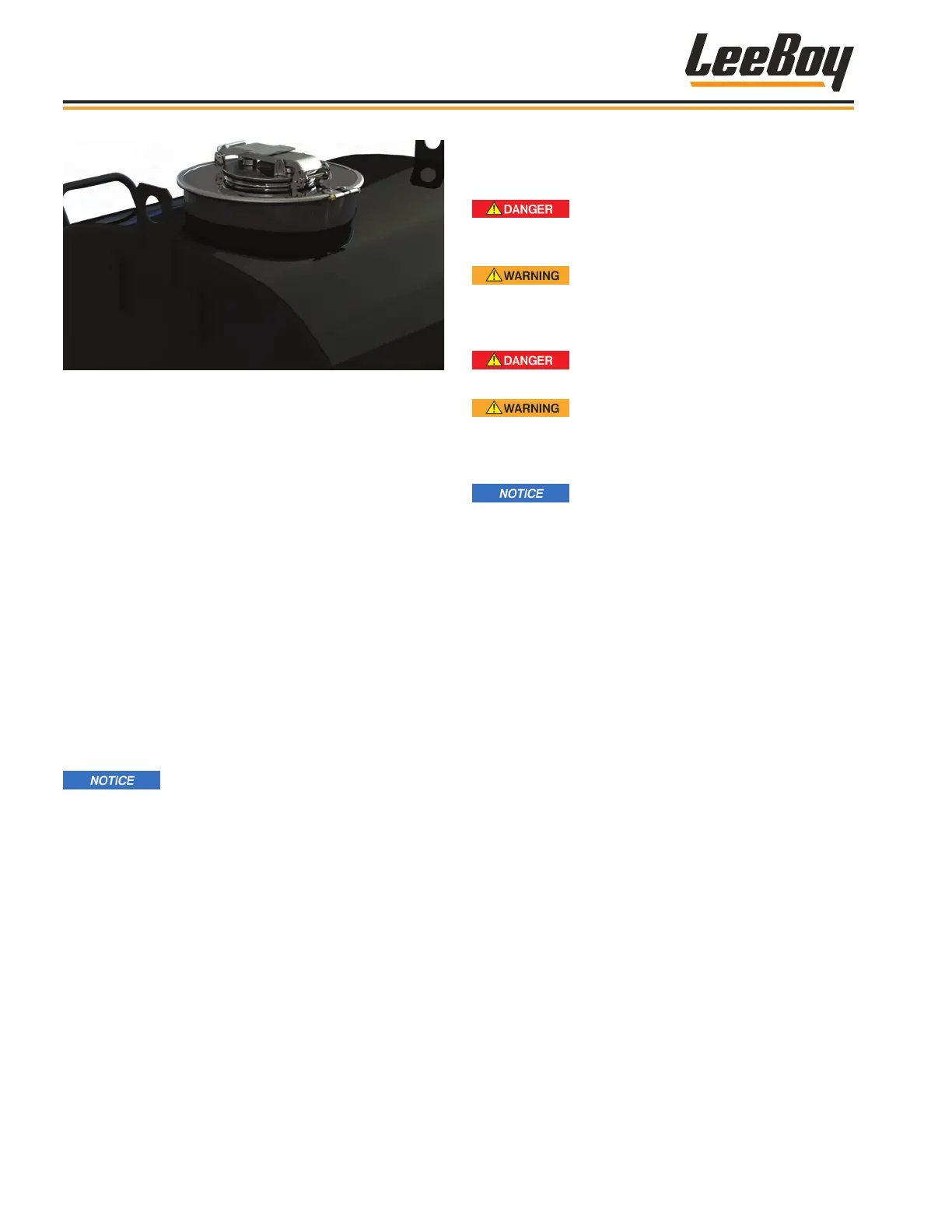
Figure 4-7. Manhole Hatch for Loading Material
LOADING THE TANK
Loading the asphalt material is accomplished via the
manhole on top of the asphalt tank. The asphalt tank
capacity depends upon your selected tank size: The
L300 model has an asphalt tank capacity of 300 gallons
while the L600 model has an asphalt tank capacity of
600 gallons. The elliptical-shaped tank helps contain
heat and conserve energy generated by the ue heat
tubes in the bottom of the tank. An insulated tank option
is also available.
A contents gauge is located on the front and rear of the
asphalt tank as a visual guide to determining material
level, but it’s always a good idea to check material level
from the manhole opening as well, using a ashlight.
The distributor must be on level ground for an
accurate material level reading.
Fill the tank only 90 percent full to
allow hot material room for expansion inside the
tank.
It is VERY important when loading material into the tack
distributor that the new material is compatible with any
residual material left in the tank.
Incompatible materials can cause a chemical reaction
that results in poor or wrong specications for the
job, but more importantly, increases the risk of re or
possible explosion. Therefore, it is imperative to clean
the tank after each use.
• DO NOT mix cationic and anionic emulsions. If
residual material from either type of emulsion is
present, clean the tank before loading the other type
of emulsion.
NOTE: Before loading the tank and operating the
unit, always conduct a pre-start inspection
and ensure the tank is clean.
NEVER smoke while lling the asphalt
tank to prevent serious injury. Asphalt materials and
fumes are very ammable.
Fumes from hot asphalt material can
cause serious burns. Always wear protective gear.
When opening the tank hatch, the operator should
stay to one side to avoid fumes and asphalt contact.
DO NOT put your hands inside the
tank.
OPEN THE MANHOLE COVER
SLOWLY. Pressure can build up in the tank that
could cause hot asphalt material to spew and result
in serious burns.
The emulsied asphalt must reach
the manufacturer’s recommended temperature
before starting the engine. (See Table 4-2, Asphalt
Temperature Guide, on Page 4-12) Trying to spray
asphalt before it is warm enough will damage the
asphalt pump.
It is important to remember the following information
when lling the asphalt tank:
• To reduce the risk of accidental discharge of asphalt
material while loading the tank, ensure all valves are in
the CLOSED position.
• Ensure there is no water or condensation inside
before loading the tank. Hot material can turn water
into steam that can get hot enough to burn.
• Drain tank contents into a suitable container if
necessary before loading new material. Dispose of
the old material in accordance with local, state and
federal environmental regulations.
• ALWAYS park the tack distributor unit on level ground
when loading the tank and secure the wheels to
prevent movement. Optional wheel chocks for trailer-
mounted units are available from your authorized
dealer. (Page 4-26)
• It is important to ll the tank only 90 percent full to
allow for hot material expansion inside the tank.
• Ensure the burner ue tubes in the bottom of the
tank are covered by at least one inch (2.5 cm) of
material. Using the burners without enough material
in the tank will damage the ue tubes and could cause
a tank explosion.
Operation
L300 and L600 Tack Distributors4-10


 To Next Page