3.4 Connecting drives
The following procedures provide the necessary steps for safely connecting drives to
TX1.
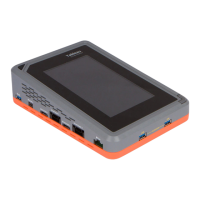
TX1 operates as a standalone device or with the TX1-S1 drive bay. To connect the
drive bay, ensure TX1 is powered off, align TX1 into place on top of the drive bay,
and slide it back to lock it into place.
3.4.1 Source drives
Connect one or more drives to the TX1 source (left) side interfaces: SATA/SAS (x2),
USB 3.0, PCIe, or FireWire.
Note: The PCIe interface on TX1 does not support hot-swapping. PCIe adapters with
drives installed must be attached to TX1's PCIe port before powering up the unit.
Also, removing a PCIe adapter from TX1 or removing a drive from a PCIe adapter
before powering down TX1 will cause system instability and could possibly damage
the drive, adapter, or TX1. TX1 must be powered down before removing the drive
from any Tableau PCIe adapter or removing a PCIe drive/adapter from the TX1 PCIe
port.
A Tableau PCIe adapter (sold separately) is required to acquire PCIe drives. The
Tableau IDE-PCIe adapter (TDA7-5, sold separately) is required to acquire IDE
drives. For detailed information on all the available PCIe based adapters for TX1, see
the Adapters section of the Tableau Hardware products webpage (https://
security.opentext.com/tableau/hardware?types=Adapters).
TX1 can acquire certain Apple computers that support Target Disk Mode via the
USB 3.0 or FireWire source side connections. This can be done via three different
types of Apple computer interfaces: USB-C, FireWire, and Thunderbolt 2.
Commercially available adapters are required to convert these interfaces to USB 3.0
(for USB-C devices) or FireWire (for Thunderbolt 2 devices) for connecting to TX1.
See the Tableau Hardware products webpage (https://security.opentext.com/tableau/
hardware?types=Adapters) or contact Customer Support for more information on
the required adapters.
TX1 provides an Ethernet connection which enables network-based acquisition of
iSCSI physical media (clones and physical or logical images) and mounted CIFS
shares. See “Duplication over a network” on page 94 for more information.
Source drives are listed in the user interface in the order of TX1's physical port
layout: iSCSI/CIFS, USB, FireWire, SATA/SAS 1, SATA/SAS 2, PCIe.
Note: Mobile devices connected to TX1 via the USB source port have host
system interactions and capabilities that are very different from traditional
media devices (HDDs, SSDs). The information above is specific to traditional
media devices. See “Mobile backup acquisition” on page 152 for information
specific to that type of job.
Chapter 3 Configuring TX1
70
OpenText™ Tableau™ Forensic TX1 Imager
ISTX240300-UGD-EN-1


 To Next Page