Post Processing 57
off the 3Z Base and remove the plate from the heater. Typically this process can take
between 20 – 30 minutes.
4. Once the 3Z Base plate cools, it is ready for re-use on the unit.
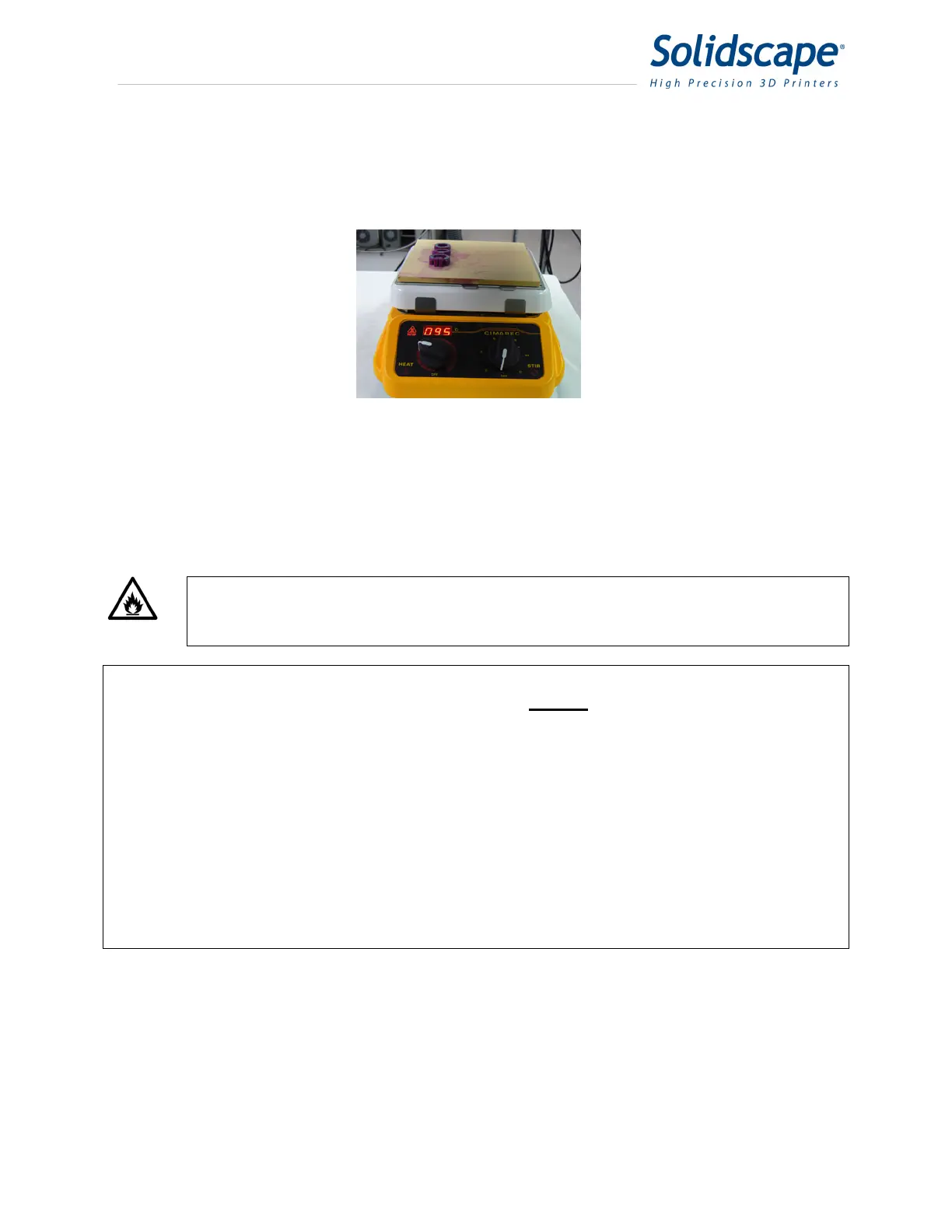
Figure 11-2 Heater Stirrer with build plate
11.4 Dewax – 3Z Support Material Removal
CAUTION! VSO is flammable. Never exceed maximum temperatures
specified. Use in a well ventilated area. Use care around heat
sources.
Note 1: The 3Z Model material is dimensionally stable at room temperature. However, it will
expand at temperatures in excess of 55 C. NEVER dewax models in a solvent
bath at temperatures above 55 C.
Note 2: The 3Z Support material exhibits a slightly higher rate of thermal expansion than the
3Z Model build material. Hollow model structures in which the build material
surrounds the support material can crack when heated in the solvent. To prevent
this from occurring, remove some of the support material with a pointed knife or drill
bit prior to immersion in the solvent bath. By creating a hollow in the support
material, it collapses inward when it expands, without cracking the surrounding
model.
Note 3: Many model geometries are very fragile even at room temperatures. Handle models
with care.
1. Once the model is removed from the 3Z Base, place the model into the basket strainer and
then place the strainer into VSO bath prepared in step 1.2. Use caution to position the
model in the strainer such that it is not resting on a delicate feature.
2. Turn the digital alarm thermometer on; insert the temp probe into the basket with the models
being careful to not hurt the models. Set the temperature alarm on the thermometer to 55°C
3. Set the stirrer control on the heater stirrer to a setting that will gently circulate the bath
without creating a lot of turbulence; the models should not be moving around in the strainer


 To Next Page