Vigilant MX1 Operator Manual Document: LT0344
Page 1-16 8 August 2017 Issue 2.4
A zone can have one or more of the following states:
Normal – this is the usual zone state, when all field devices are
operating normally, no tests are in progress and no other state is
present.
Pre-alarm – a detector mapped to the zone has gone into the pre-
alarm state.
FirstAlrm – for a Dual-hit zone. A device in the zone is in alarm,
but the zone itself is not yet in alarm.
Alarm – a device mapped to the zone has activated. Generally,
this calls the fire brigade.
Resetting – the zone is being reset.
Operate – output points mapped to the zone will be operated.
Fault – a device mapped to the zone is in the Fault state, or
Device Fail or Type Mismatch.
Disabled – the zone itself has been disabled by the operator to
prevent it from affecting system operation. Note that disabling all
points that map to the zone will automatically disable the zone as
well. In this case, at least one point must be enabled to allow the
zone to be enabled.
Test Operate – all outputs mapped to the zone will be operated
for testing purposes.
AutoReset –the zone is in Auto-Reset test mode.
AlarmTst – the zone is undergoing an alarm test.
AlTstFail – there has been an alarm test run on the zone that
failed. This state will clear after the next successful alarm test.
FltTest – the zone is undergoing a fault test.
For accessing a zone on another MX1 panel in a networked system, the
SID of the other panel is multiplied by 1000 and added to the zone
number. For example, to access zone 37 on an MX1 panel with a SID of
9 you would use the zone number 9037.
In general, this manual uses terminology taken from AS 7240.1 and
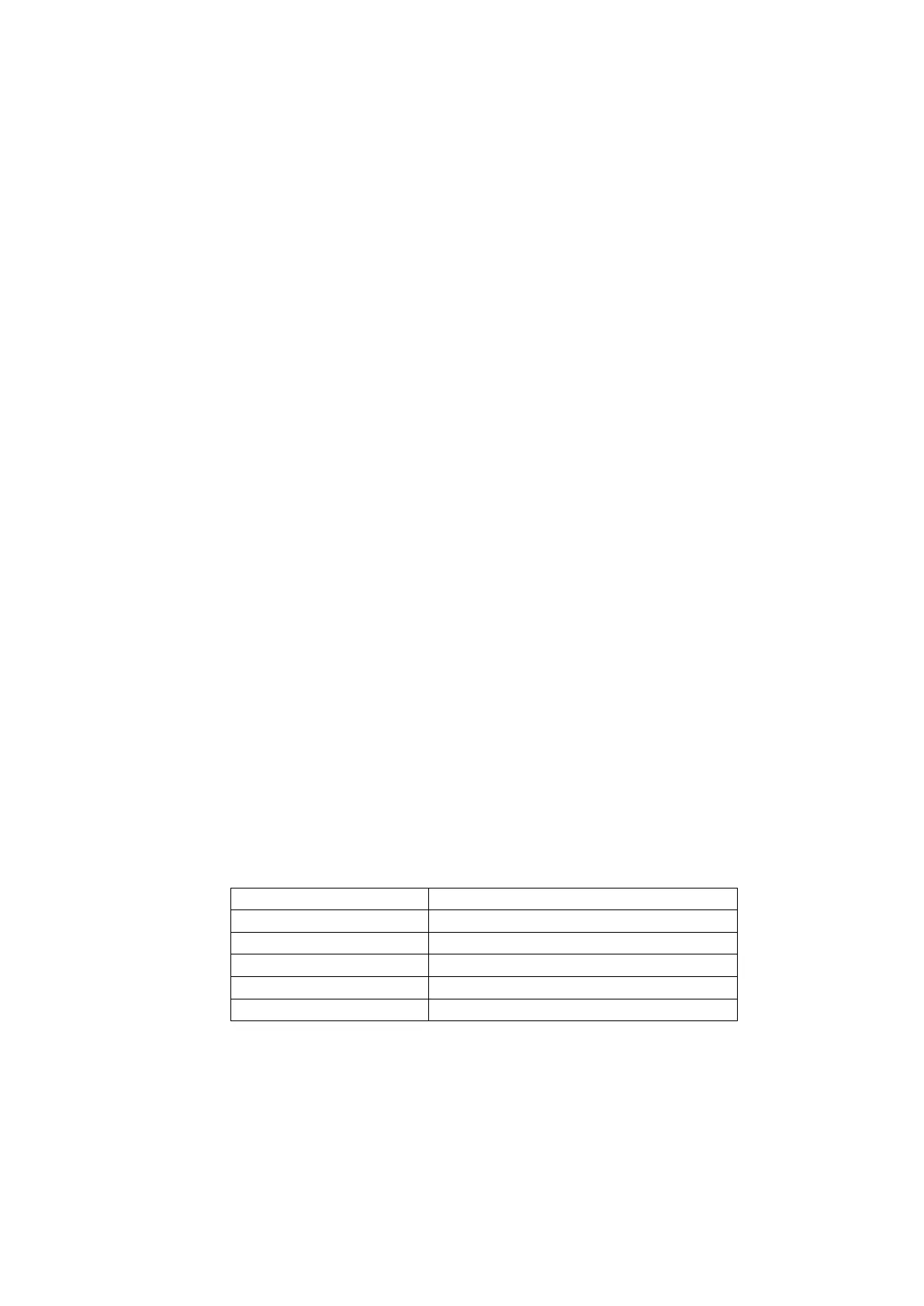
AS 7240.2. This table matches these with other common industry
terminology.
Fire Indicator Panel (FIP)
Signals to remote receiving centre
Note that when referring to the control of points and zones, “isolate” is
the term traditionally used in New Zealand and Australia, while the ISO-
standard term “disable” is becoming more widely used.


 To Next Page