Page 88
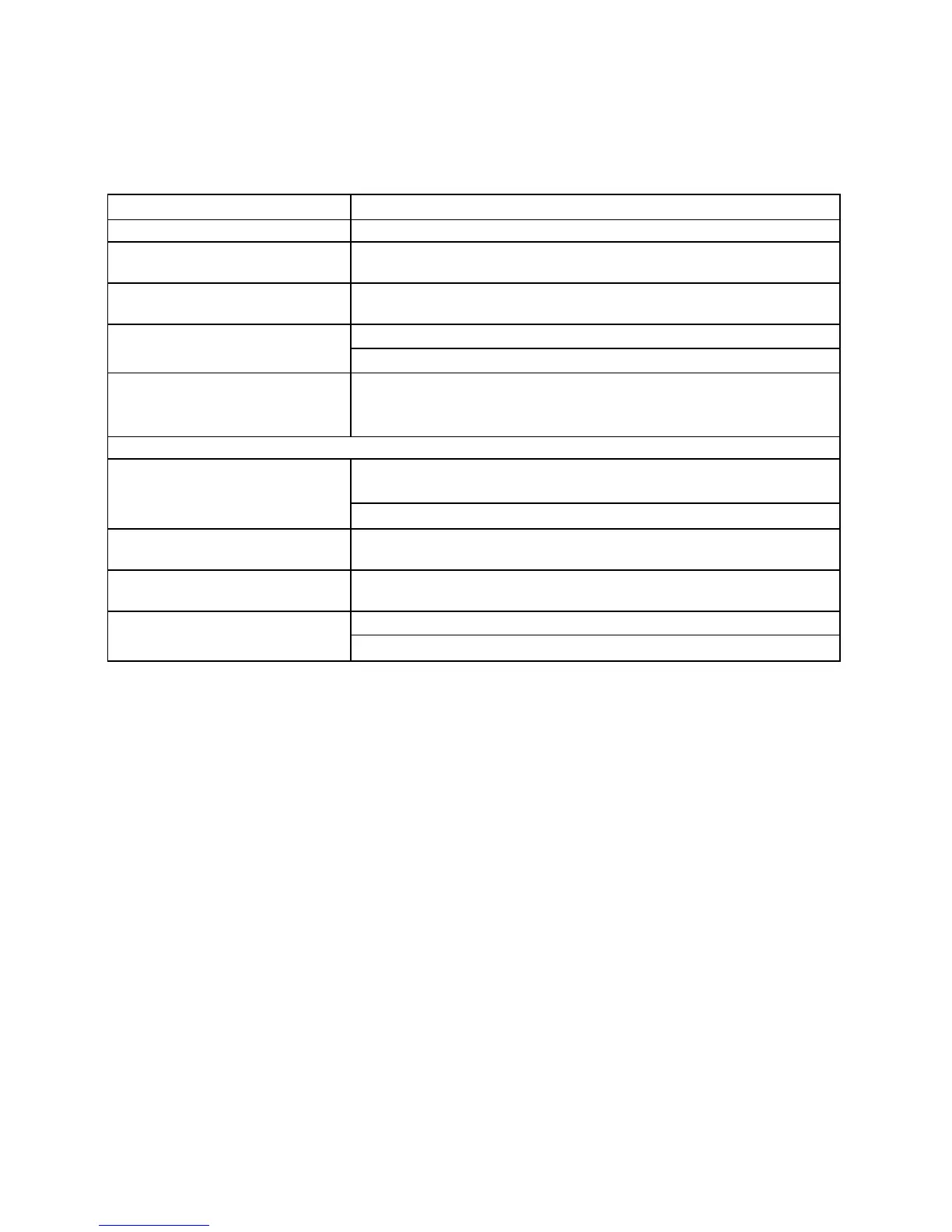
Possible Cause of Low BG Suggested Solution
ACTIVITY
Did not Suspend pump or
activate Temp Basal
Consult healthcare team for guidelines for use of Temp Basal rate
during exercise.
Low carbohydrate intake prior
to exercise
If not decreasing insulin prior to exercise, must eat foods
containing carbohydrate prior to exercise.
Unplanned activity (shopping) If BG is <100 mg/dL (5.5 mmol/L), eat snack prior to exercise.
Frequent BG testing before, during and after any activity.
Long or intensive exercise
Effects of exercise can be present for hours after activity has
stopped. May need to decrease basal rate 1 - 2 hours prior to
activity. Consult with healthcare team for specific guidelines.
SMBG (Self-monitoring of BG)
Infrequent BG testing
Check BG minimum of 4 times a day; more often if BG goals are
not met.
Check BG at 3 am weekly after rates have been set.
History of unconsciousness or
severe hypoglycemia
May need to adjust BG target range. Consult healthcare team.
History of hypoglycemic
unawareness
May need to adjust BG target range. Consult healthcare team.
Insulin-sensitive May need to adjust sensitivity factor. Consult healthcare team.
May need to adjust BG target range. Consult healthcare team.
If you experience frequent or severe episodes of hypoglycemia, contact your healthcare
team. It may be necessary to adjust your basal rates, or review your target glucose goals,
along with your daily regimen of food and exercise. If you have a low blood glucose level
(hypoglycemia), follow the routine established for you by your healthcare team.
• It is important to monitor your blood glucose frequently, including periodic checks
at 3:00 AM.
• Investigate the cause of hypoglycemia.
Hyperglycemia
Because the insulin pump uses only rapid-acting insulin, you will not have a reserve of
long-acting insulin in your body. This means that any interruption in the delivery of insulin
by your pump can quickly result in a sharp rise of your blood glucose levels.
Hyperglycemia (high blood sugar) can occur within two to four hours after insulin delivery
stops, and DKA (diabetic ketoacidosis) can develop within four to ten hours.
15


 To Next Page