Appendix A: TV-VAVB3-E2 Points/Properties
TruVu™ VAVB3-E2 CARRIER CORPORATION ©2022
Installation and Start-up Guide All rights reserved
132
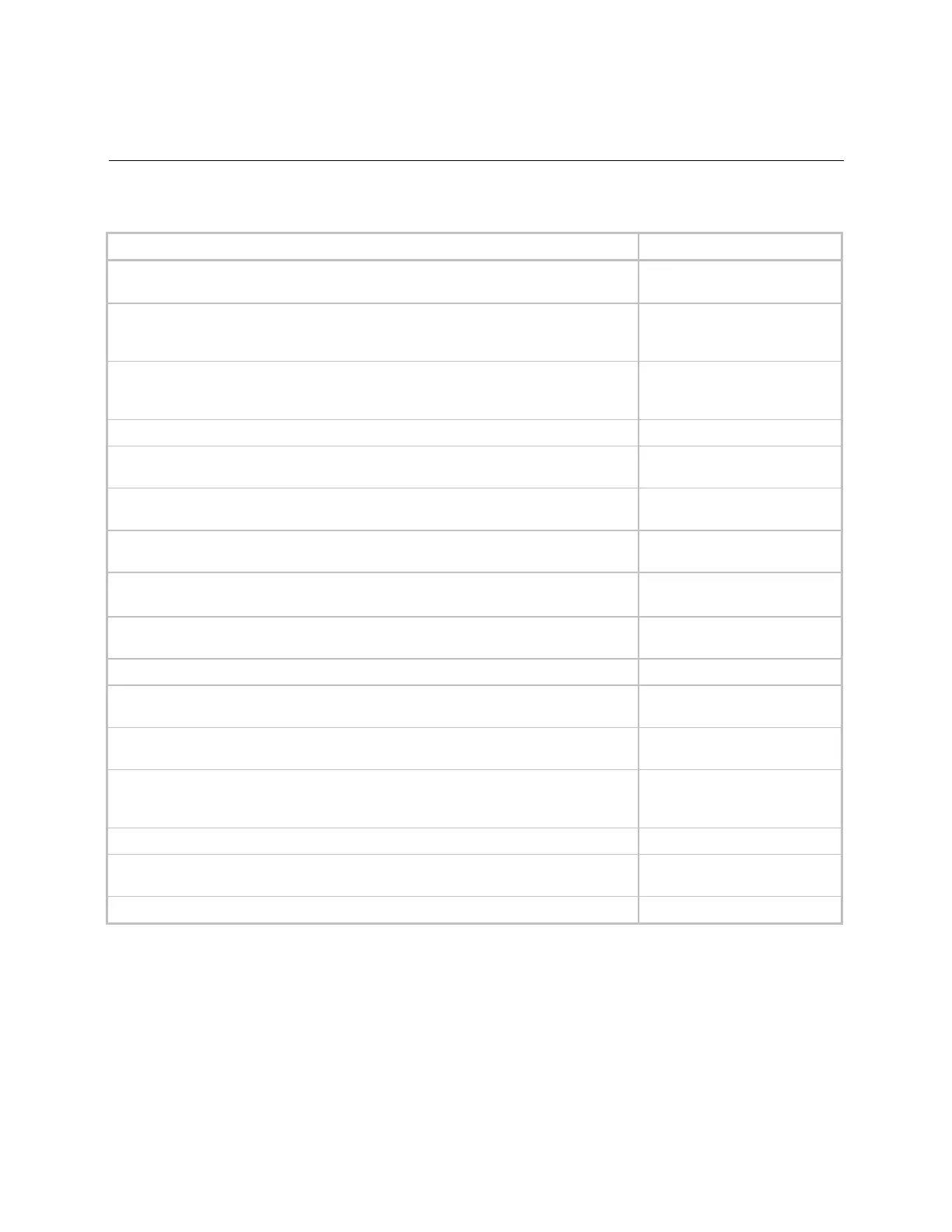
Alarms
Properties > Control Program > Alarms
Space Temperature – Indicates if the space temperature sensor exceeds the high or
low alarm limit.
Alarming Temperature – Indicates the space temperature value that caused the space
temperature alarm. This value is only displayed when the Space Temperature alarm
(above) is in Alarm.
-56 to 245°F
(-48.9 to 118.3°C)
Alarm Limit Exceeded – Indicates the value of the space temperature alarm limit that
caused the space temperature alarm condition. Value is only displayed when the Space
Temperature alarm (above) is in Alarm.
-56 to 245°F
(-48.9 to 118.3°C)
Space Temp Sensor – Indicates if the space temperature sensor fails.
Wireless Battery Strength Alarm – Indicates one of the configured wireless space
temperature sensors is displaying low charge strength.
Wireless Signal Strength Alarm – Indicates one of the configured wireless space
temperature sensors is displaying low radio signal strength.
ZS/WS Sensor Configuration – Indicates if the ZS or wireless space temperature
sensor is not configured correctly.
Indoor Air Quality – Indicates if the occupied CO
2
level exceeds the Occupied High CO2
Alarm Limit.
Supply Air Temperature – Indicates if the supply air temperature exceeds the high
temperature alarm limit or drops below the low temperature alarm limit.
Filter – Indicates if the filter's runtime hours exceeds the runtime alarm limit.
Space Relative Humidity – Indicates if the relative humidity exceeds the high RH alarm
limit.
Network OAT - Indicates if the controller is not receiving a valid OAT value over the
network.
Airside Linkage Status – If the controller is the VVT Master, Alarm indicates that it lost
Linkage communications with the air source. If the controller is a slave, Alarm indicates
that it lost Linkage communications with the VVT master.
Smart HWV 1 Alarm – Indicates if the Smart Valve fails.
Heat Valve Cycling – Indicates if the heating valve exceeds the limit of cycles per
period.
Heat Valve Fail – Indicates if the heating valve fails.





 To Next Page