average period of the Thermal Averager. In other words, you will likely reach the optimum departure altitude
before the Thermal Averager has a chance to catch up to the higher climb rate. In this case, you could glide with
a speed ring setting (McCready indicator) closer to the value that was shown on the digital vario (ideally with a
20 to 30 second average) just before you left to go on final glide.
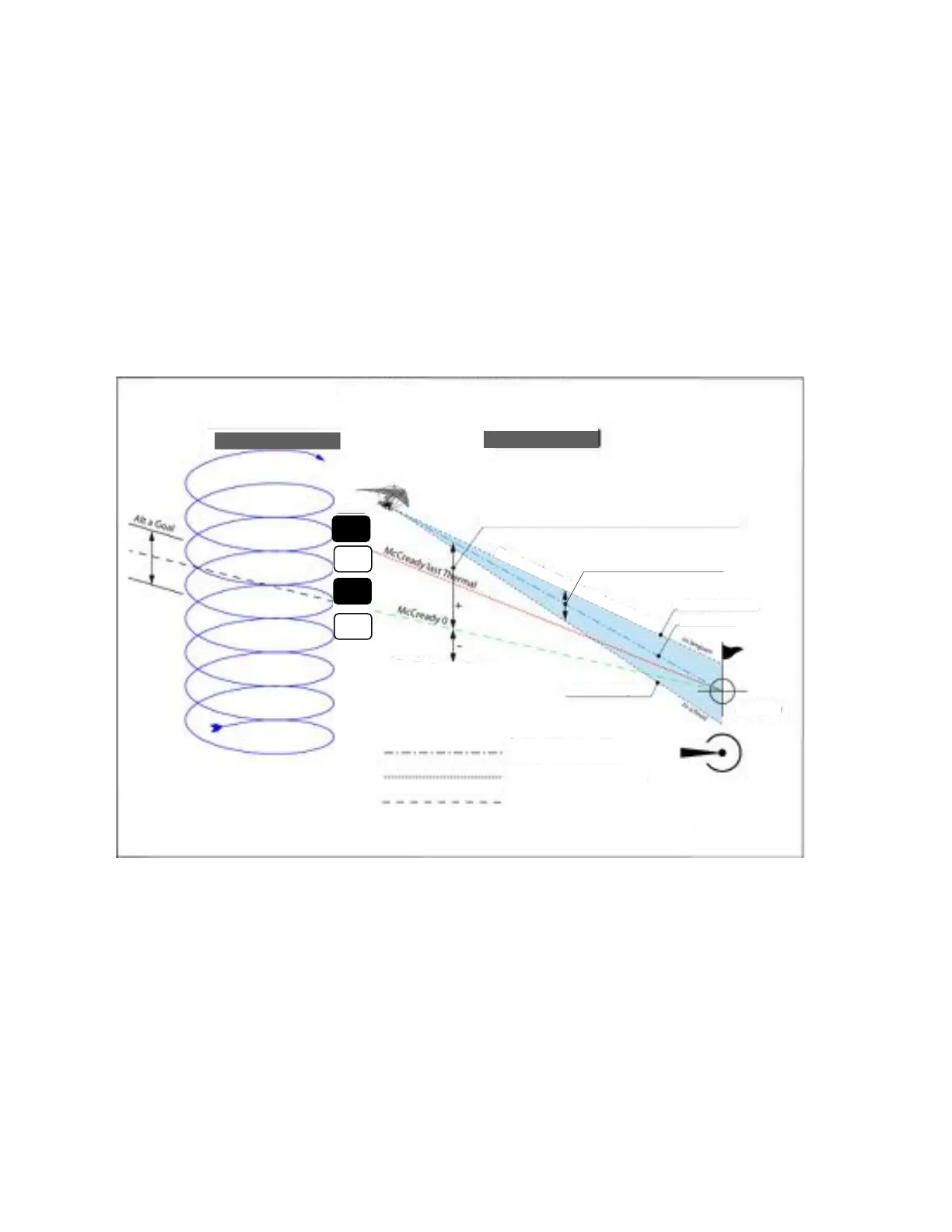
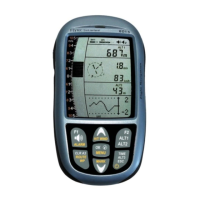
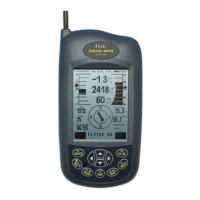
You can monitor your progress in the user-fields Alt a WP and A BG WP (see figure next page). Ideally A BG
WP should slowly decrease to zero as you arrive at goal, while Alt a WP should stay around zero all the way to
goal. Obviously these values will fluctuate due to the nature of the air mass on final glide. Consequently you
should check these values periodically during final glide and take note of the trend. If Alt a WP increases
steadily, then you are generally in a favorable air mass and can likely fly a faster speed ring setting. Conversely
if Alt a WP becomes increasingly negative, then the air mass has more sink than expected and may require a
less aggressive speed ring setting – but never slower than best glide speed (McCready indicator = 0). If you
encounter a large area of sink on final glide, you will likely have to fly slower with a lower McCready indicator
value (of course after you clear the sink). If A BG WP becomes negative, reaching goal without gaining some
altitude is no longer possible.
If you fly through a good thermal on final glide it may be advantageous to stop and climb. This will likely be the
case if your last climb was relatively weak. If, when you enter this new thermal, Alt a WP is negative, then there
is a time benefit to be gained by climbing. However, that benefit can only be realized if you fly at a faster speed
ring setting once you leave this thermal at Alt a WP = 0. The appropriate speed ring setting will be the climb rate
that you have been achieving on this climb. If Alt a WP is positive when you fly into a thermal on final glide, then
it would be a waste of time to circle there – unless there is some other reason to gain altitude, such as pilots
reporting bad sink ahead of you, there is a ridge you need to clear, you are generally pessimistic about the air
mass ahead, etc.
Another way to monitor your progress on final glide is to compare your glide ratio required (L/D req) and your
glide ratio over the ground (L/D gnd). If your L/D gnd is greater than L/D req then you are currently progressing
favorably and should make goal (provided L/D gnd remains greater than L/D req). Conversely, if L/D gnd is less
than L/D req then you are progressing below the minimum necessary glide slope and will not be able to make
goal unless you encounter a more favorable air mass and/or gain some additional altitude. If you control your
speed so L/D gnd = L/D reg then you are flying the correct speed to arrive at goal at 0' AGL and the McCready
pointer (radial line in the vario dial) will be indicating the corresponding speed ring setting. The McCready



 To Next Page