Section 3 - Pre-Installation Checks
PRE-INSTALLATION
26 Installation and Maintenance
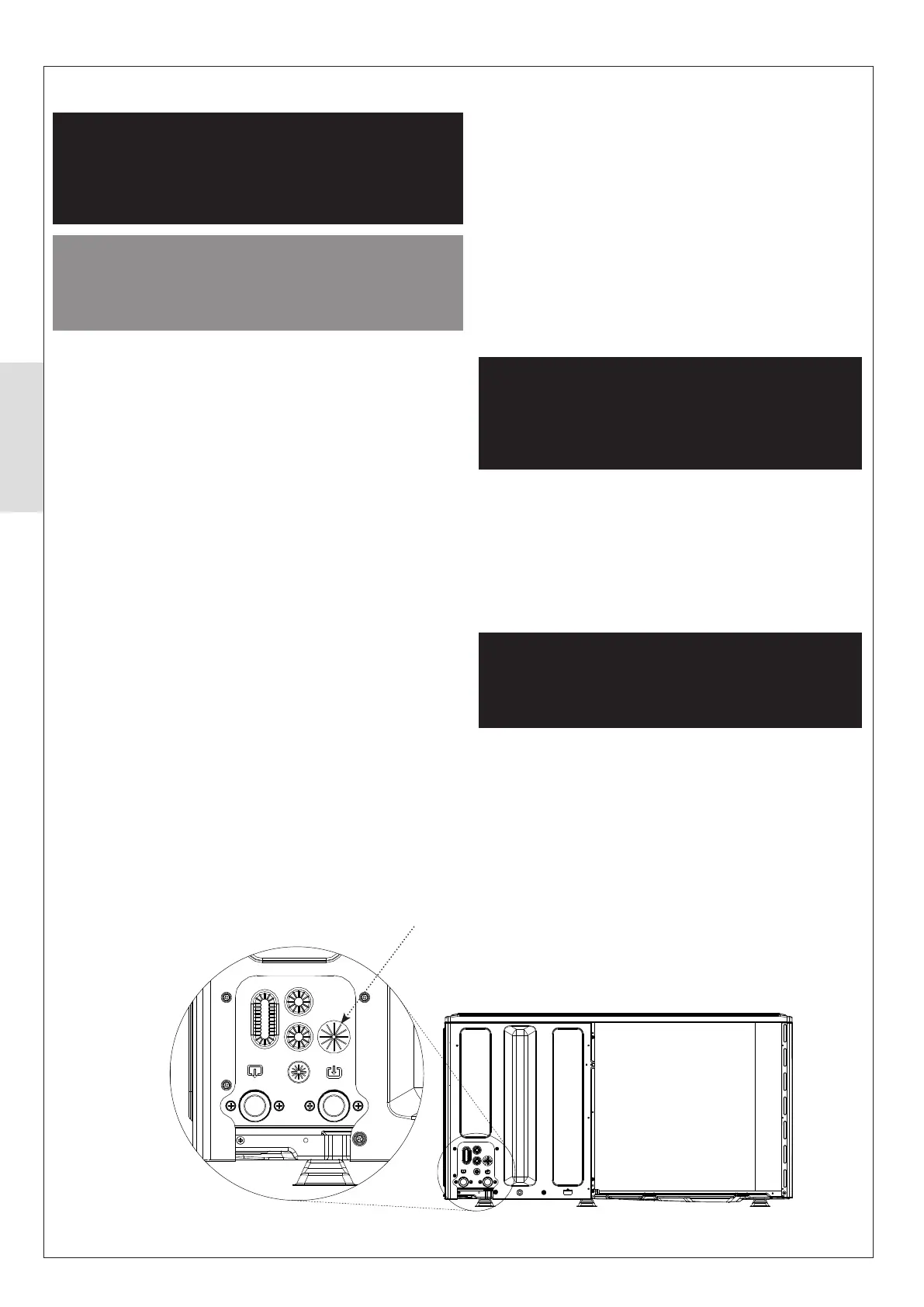
Figure 27. Heat Pump PRV Outlet (4.5-6 kW model shown)
3.3.1 Installation Environment
ᘐ WARNING: The air drawn into the air intake of the
product must be free from methane gas, ammonia, and
any other ammable/explosive substances. The heat pump
must not be placed in locations likely to produce such
vapours such as near stables or near large open fertilizer
stores.
ᘐ CAUTION: The heat pump installation environment
must be free from corrodents, specically: mineral oil,
sulphur, arsenic acids, and environments of high salt
content, such as coastal areas. These will cause corrosion
of metal components.
Do not install the heat pump within 2 km of the sea.
The heat pump must only be installed at an altitude less than
2,000 m from sea level.
The installation site of the heat pump should not be placed in
near defective guttering. The air intake should also not be placed
in an area prone to build up of any medium that could cause
The installation site should not obstruct or restrict the airways or
be subjected to strong winds.
to prevent blockage by settling snow. Make sure that there is
protection from falling snow or water, including build ups from
roofs that may fall in large quantities.
3.3.2 Orientation
protected from direct or oncoming wind if possible. Strong
combined with precipitation, can cause ice to form.
as standard and is used by the heat pump for ambient air
temperature measurement. Installation in direct sunlight must be
avoided.
3.3.3 Mounting
The heat pump should be installed on a level mounting
foundation which must be structurally sound and designed to
not structurally degrade over time. It should be mounted at
least 5cm above ground level and not exceeding 100cm.
The area underneath the product must be capable of
freezing condensate or long-term exposure to moisture. It is
recommended that gravel is used underneath the heat pump.
3.3.4 Condensate Disposal
ᘐ WARNING:
The installation should not cause any risk
or danger to the surrounding area. It should be made sure
that there are no roads or pathways that are signicantly
inuenced by the condensate disposal of the heat pump.
Make sure that suitable condensate disposal methods are
installed.
The heat pump discharges condensate during normal operation
and the defrosting function. Condensate can be disposed of
using the following methods and must be considered when
determining the installation site, refer to Section 4.1.5.:
• Ground disposal into a soak away or gravel bed.
• Piped into a rainwater drain/gully.
3.3.5 Pressure Relief Valve Discharge Outlet
ᘐ WARNING: Make sure the location of the PRV
discharge outlet pipe from the heat pump does not
cause any hazards to the occupants of the premises or
damage to the property from discharge, such as, above
walkways.
If necessary, the discharge outlet must be piped away in a
safe manner or collected by a condensate drain tray with a
suitable drain connection. Make sure that selected materials
can withstand the pressures and temperatures of the
discharge medium Refer to Figure 27 for location of the PRV
outlet.
PRV Outlet



 To Next Page