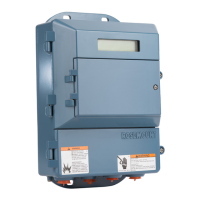
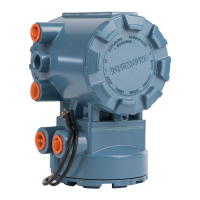
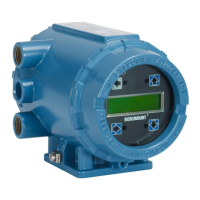
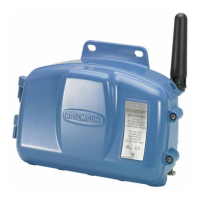
Model 8712C/U/H Magnetic Flowmeter Transmitters
2-6
Conduit Connections
Both the flowtube and transmitter junction boxes have ports for
¾–inch NPT conduit connections. If some of these ports are not being
used, conduit seals will need to be installed. In some cases, conduits
may also require drainage if there is a possibility of moisture build-up
in the line.
A dedicated conduit line is required for the coil drive and electrode
cables that connect the flowtube to the transmitter (see Figure 2-4 on
page 2-7). Separate conduits are not necessary for the two cables, but a
dedicated conduit line between each transmitter and flowtube is
required. Instructions for installation of the conduit begin on page 2-6.
Conduit Installation
If ¾-inch NPT conduit is not installed between the flowtube and
transmitter, install the conduit.
NOTE
A dedicated conduit line is required between each transmitter and
flowtube. See page 2-7 for further information on conduit layout
and design.
1. Install the conduit for operating options used in your application.
2. Connect the ¾-inch NPT conduit to the transmitter and to the
flowtube in accordance with local or plant electrical codes.
3. Seal unused ports to prevent moisture or other contamination
from entering the junction box.
NOTE
Do not overtighten metal plugs used to seal wiring compartment ports;
overtightening can damage the housing.
Conduit Cables Run the appropriate size cable through the conduit connections in your
magnetic flowmeter system.
1. Run the power cable from the power source to the transmitter.
2. Run the coil drive and electrode cables between the flowmeter
and transmitter.
3. Run any additional cables required for your application and the
applicable options.
Prepare the ends of the coil drive and electrode cables as shown in
Figure 2-3. Limit the unshielded wire length to 1-inch on both the
electrode and coil drive cables.
NOTE
Excessive lead length can cause unwanted transmitter noise.


 To Next Page