3.9
Date Code 20170601 Instruction Manual SEL-387-0, -5, -6 Relay
Differential, Restricted Earth Fault, Thermal, and Overcurrent Elements
Differential Element
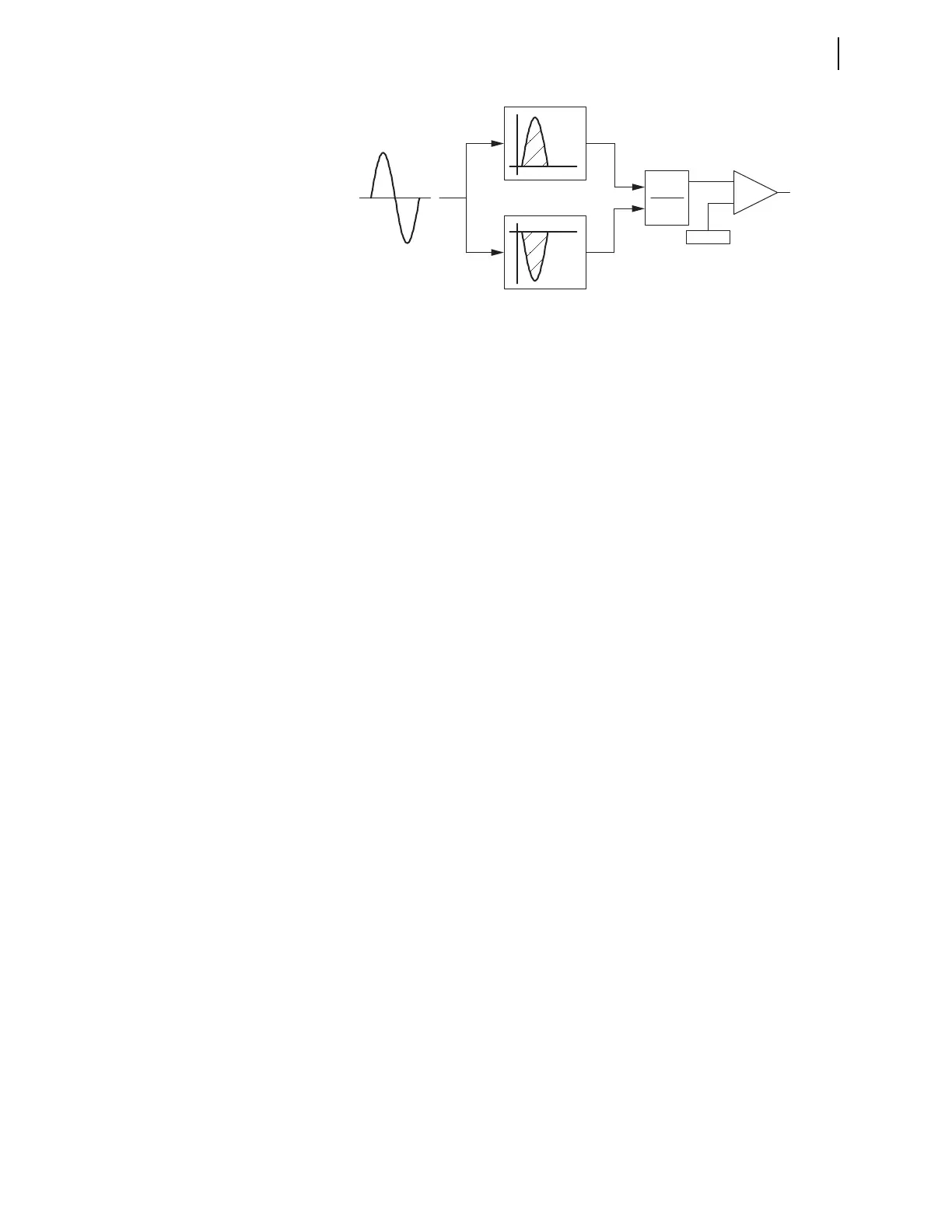
Figure 3.9 DC Blocking (DCBL1) Logic (All But SEL-387-0)
Setting Descriptions
Differential Element Enable (E87W1—E87W4)
Range: Y, N, Y1
The SEL-387 has four sets of three-phase current inputs. Depending on the
application, you may not need all of these inputs for the differential zone of
protection. You can configure any unused terminals for stand-alone
overcurrent protection. The E87Wn setting specifies which of the terminals
the relay is to include in the differential calculation. An independent setting,
EOCn, exists to enable the overcurrent and demand metering elements.
Selecting Y for E87Wn enables differential element settings for the
corresponding winding. Selecting N for E87Wn disables differential element
settings for the corresponding winding; the relay hides the settings, and they
are unavailable for use.
For all relays but the SEL-387-0, selecting Y1 makes the fourth-harmonic
(PCT4), dc ratio blocking (DCRB), and harmonic restraint (HRSTR) settings
available on all enabled (Y or Y1) windings. This is the only difference
between Y and Y1 selection.
CT Connection (W1CT—W4CT)
Range: D, Y
To perform calculations for TAPn values, the relay uses information on
whether the CTs are connected in delta (D) or wye (Y) for each winding. If the
CTs are connected in delta, the relay raises the TAPn value by a factor of
1.732.
Also, if the CTs on a particular winding “n” are connected in delta
(WnCT = D), then the secondary currents into the corresponding SEL-387
current inputs (IAWn, IBWn, and ICWn) are modified before being displayed
or used in:
➤ breaker monitoring (BRE command)
➤ instantaneous metering (METER command)
➤ demand metering (METER D and METER P commands)
➤ through-fault event monitoring (TFE command)
For delta-connected CTs, the secondary currents into the SEL-387 current
inputs are phase-phase difference currents (e.g., phase-phase difference
current I
A
–I
B
flows into current input IAWn). To create a pseudo phase-
neutral value for display or use in algorithms, these phase-phase difference
currents are divided by 3 (divided by 1.732).
DCBL1
Min
Max
_
+
0.1
DCR
S
+
S
-
Differential Current


 To Next Page