3.48
SEL-387-0, -5, -6 Relay Instruction Manual Date Code 20170601
Differential, Restricted Earth Fault, Thermal, and Overcurrent Elements
Overcurrent Element
The SEL-387-6 obtains temperature information via one of its serial ports.
The relay may receive data from as many as four temperature transducers: a
single ambient temperature transducer and one transducer for top-oil
temperature from each of three single-phase transformers. These data could
come from an SEL-2032 or an SEL-2030 Communications Processor, which
receives the temperature data from either an SEL-2600A RTD Module or a
PLC (see Figure 3.17). The SEL communications processor must receive the
temperature data in Modbus
®
, SEL Fast Messaging, or ASCII protocol. The
SEL communications processor passes these data on to the SEL-387-6 in the
form of an SEL Fast Message. While the SEL-387-6 can receive temperature
data at any rate, the thermal element uses these data only once a minute.
Please refer to SEL Application Guide 2000-07, Connection and
Configuration of an SEL Communications Processor and SEL-2600A to
Obtain Measured Ambient and Top-Oil Temperatures for SEL-387-6 Relay
Thermal Element for information about how to set the SEL communications
processor to communicate with the SEL-2600A RTD Module and the
SEL-387-6.
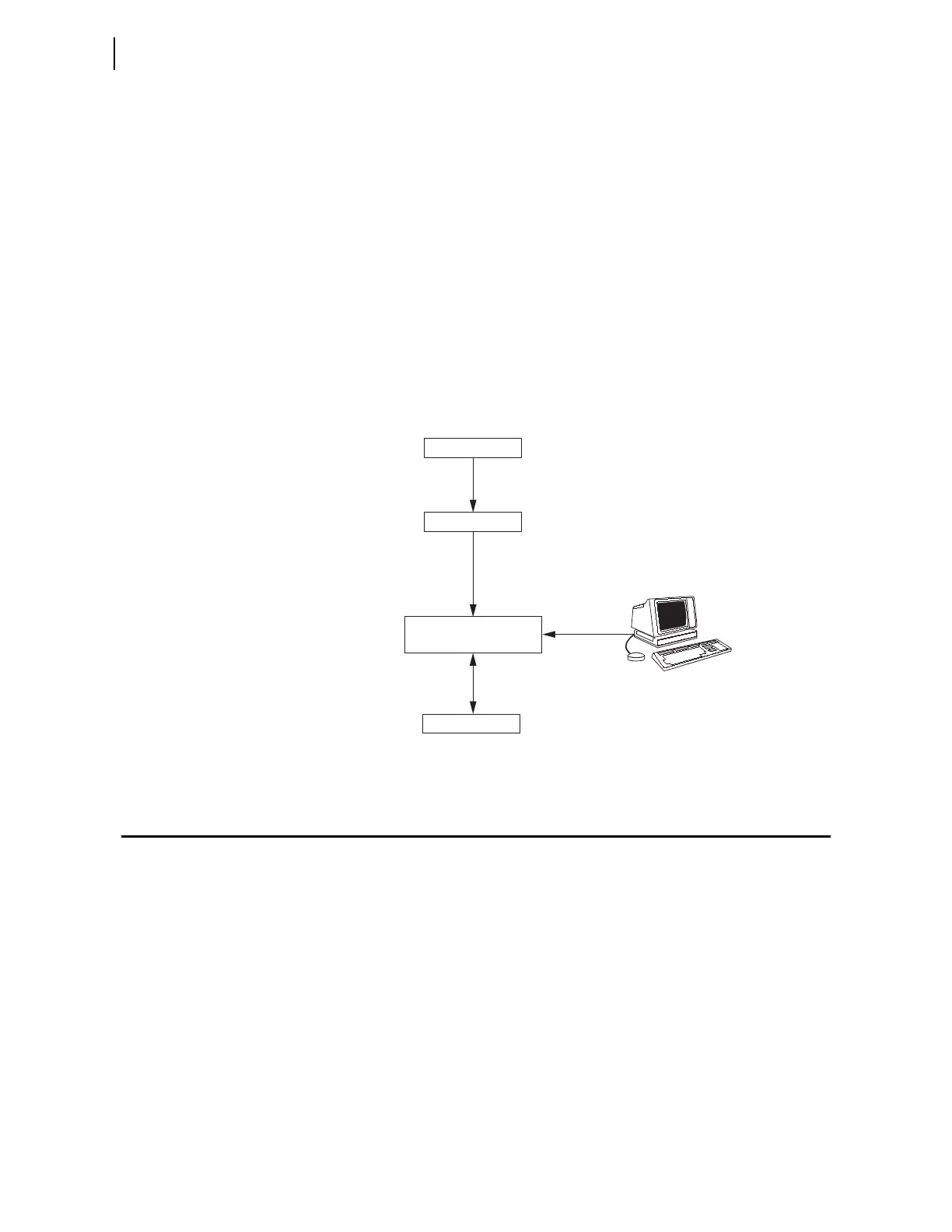
Figure 3.17 Example System Block Diagram
Overcurrent Element
Application
Description
The SEL-387 provides numerous overcurrent elements, as many as 11 per
winding, 44 total. Four levels of phase instantaneous/definite-time elements
are available for single- or three pole feeder protection, breaker failure
protection, overcurrent phase selection for targeting, transformer backup
protection, etc. Two levels of negative-sequence and residual instantaneous
elements provide protection against unbalanced conditions and ground faults.
A phase, negative-sequence, and residual time-overcurrent element are
available for system backup protection.
Operating
Characteristic
Each winding input of the SEL-387 has 11 overcurrent elements (see
Table 3.4). Nine of these 11 are torque-controlled elements, of which there are
one definite-time element, one instantaneous element, and one inverse-time
element per each of three categories. These categories are phase, negative-
sequence, and residual current. Two of the 11 overcurrent elements, 50Pn3
and 50Pn4, are not torque controlled. These two elements are phase
instantaneous overcurrent elements that provide output information per phase
SEL-2600A or PLC
SEL
Communications Processor
SEL-387-6
SEL Fast Messaging
Temperature Inputs
Power Transformer
Station Computer
Modbus
®
, SEL
Fast Messaging,
or ASCII protocol


 To Next Page