7
Safety alerts, visual
presentation, and layout
While reading these instructions, you will encounter
various symbols, illustrations, and text layouts intended
to help you navigate and understand the instructions.
Their meaning is explained below.
Safety alerts:
Activities that present specific hazards (to life and limb or
possible damage to property) are indicated by safety
alerts. Always be sure to follow the instructions given in
the safety alerts.
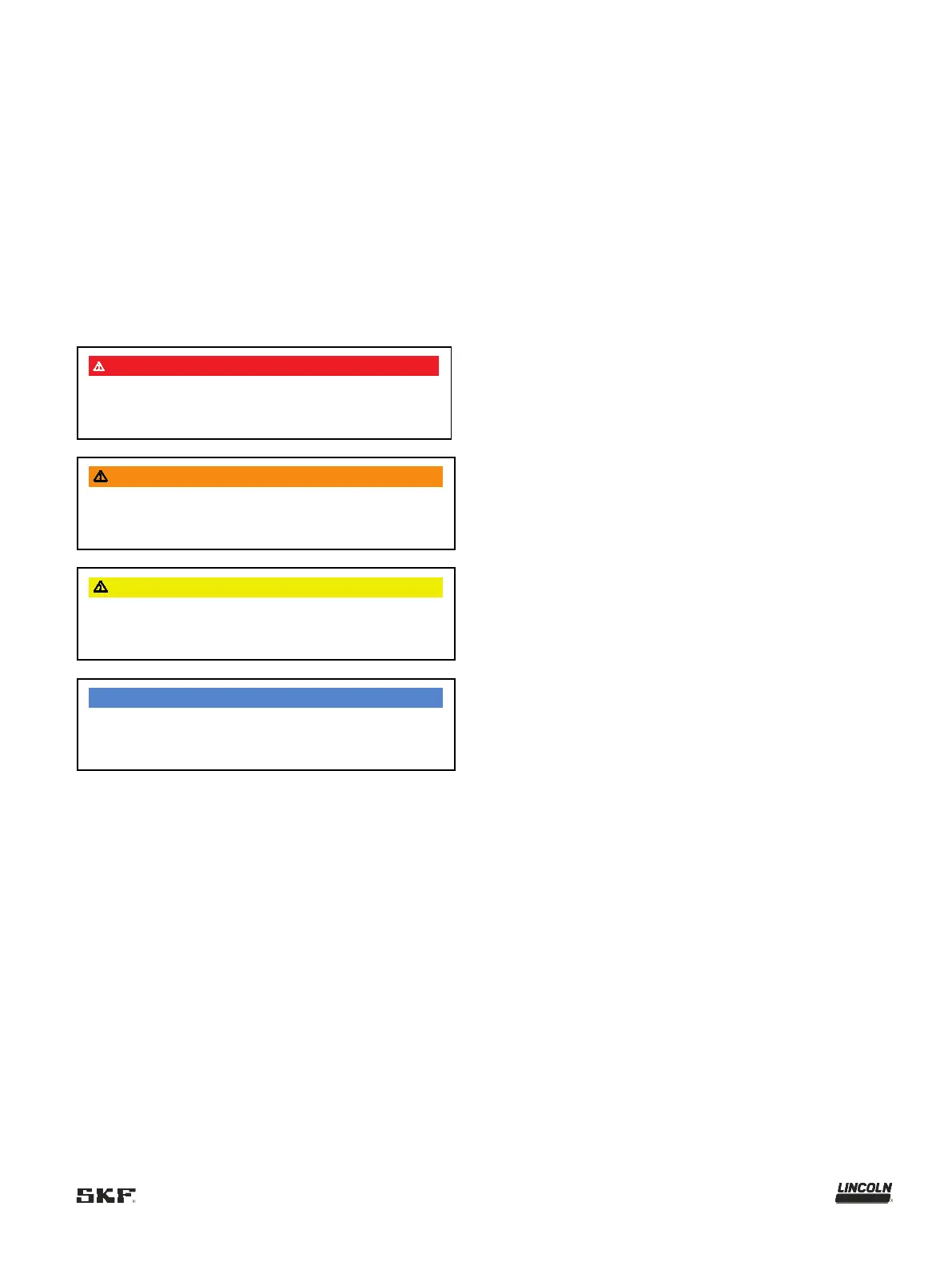
DANGER
These safety alerts indicate an imminent
danger. Ignoring them will result in
death or
WARNING
These safety alerts indicate potentially
imminent danger. Ignoring them could result
in death or serious injury
These safety alerts indicate potentially
imminent
danger. Ignoring them could result
NOTICE
These safety alerts indicate a potentially
harmful situation. Ignoring them could result
in damage to property or malfunctions
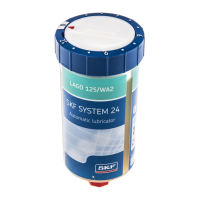
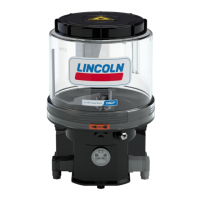
Illustrations:
The illustrations used depict a specific product. For other
products, they may have the function of a diagram only.
This does not alter the basic workings and operation of
the product.
Text layout:
• First-order bulleted lists: Items on a bulleted list start
with a solid black dot and an indent.
– Second-order bulleted lists: If there is a further
listing of subitems, the second-order bulleted list is
used.
1 Legend: A legend explains the numbered contents of an
illustration, presented as a numbered list. Items in a
legend start with a number (with no dot) and an indent.
– Second-order legend: In some cases, the numbered
contents of an image represent more than just one
object. A second-order legend is then used.
1. Instruction steps: These indicate a chronological
sequence of instruction steps. The numbers of the
steps are in bold and are followed by a period. If a new
activity follows, the numbering starts again at “1.”
– Second-order instruction steps: In some cases, it is
necessary to divide up a step into a few substeps. A
sequence of second-order instruction steps is then
used.










 To Next Page