201
20 08 CONTESSA
CHASSIS INFORMATION — 10
To remove tting:
Firmly grip the air hose near the tting
to prevent recoil.
Slide the locking collar back to release
tting. The collar will lock into the open
position when fully retracted.
Replace the protective dust cap when
nished.
NOTE:
Due to air pressure restrictions
in the pressure protection valve
and tire stem valve, the maximum
amount of tire pressure achieved
when the system is used to fill a tire
is approximately 115 psi with the air
system on the motorhome charged to
130 psi. Maximum outlet air pressure is
achieved when the air system completes
the fill cycle indicated by the purge
cycle of the air dryer.
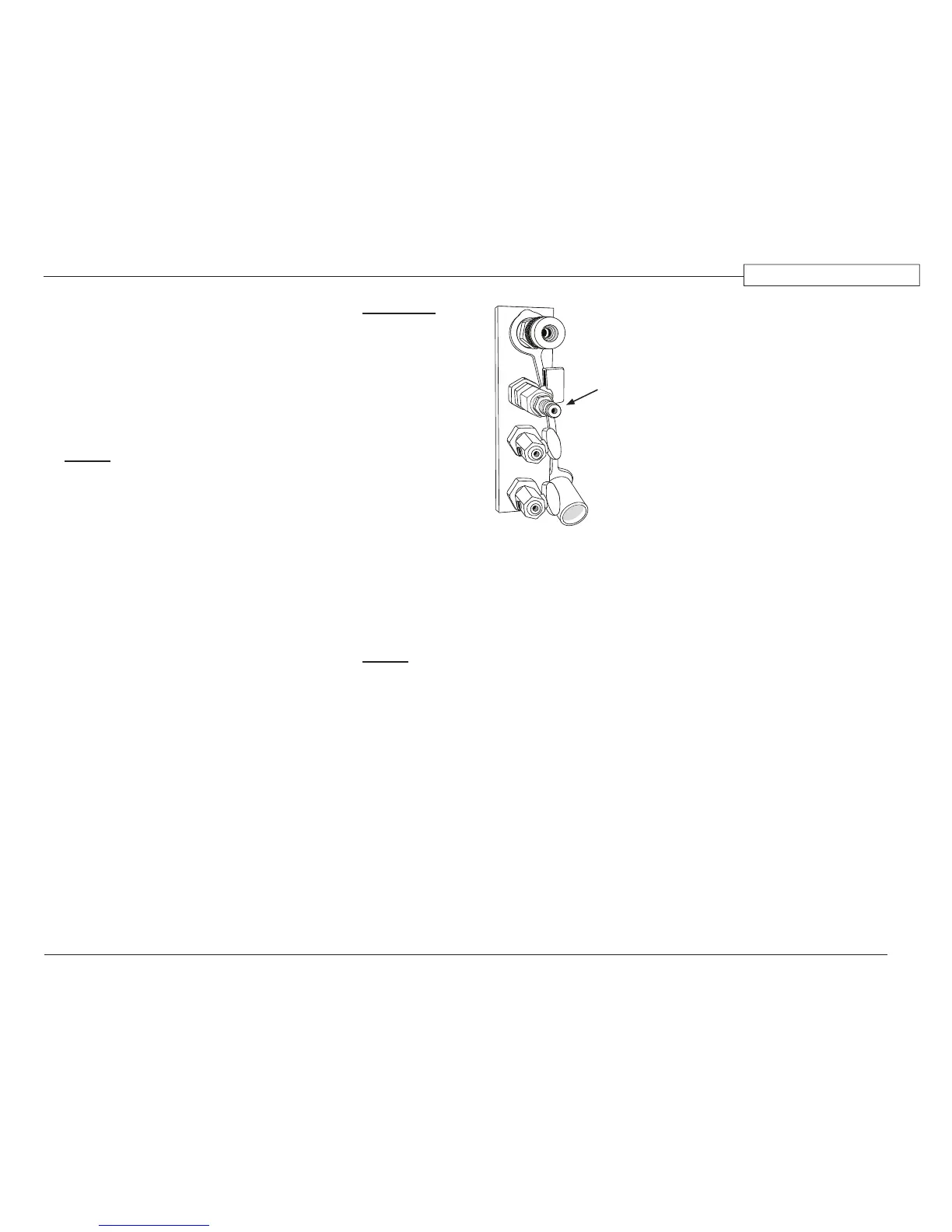
Air System - Charging (External)
The air system on the motorhome can be
charged from an external air supply source.
A type C automotive male tting (also used
as the front tank wet side drain) is located in
the generator compartment. Use caution when
charging the air system from this tting. Air
supplied from an external source may contain
moisture. Compressed air introduced into the
air system on the motorhome from this tting
is not ltered by the air dryer. The auxiliary air
charge tting will charge the front and rear air
tanks. A shut-off valve is installed to prevent
air from escaping.
CAUTION:
The external air
supply source
should be regulated
to charge the air
system on the
motorhome no
higher than 140
psi. Damage to
the air system or
pneumatically
operated items may
occur.
Air System Test
Air system integrity is tested at the
factory. The air system is equipped with several
safety features. Periodically test these safety
features for function as well as checking the air
system for possible leaks.
NOTE:
These tests can also be found in the
Department of Motor Vehicle (DMV)
air brake certification requirement.
Some tests will require precautions for
safety purposes.
Ination Rate Test:
This will test how long it takes the air system
to achieve a specic pressure in a timed event
when starting at a lower pressure. This test
will verify the minimum acceptable volume of
compressed air created by the air system.
1. Start engine. Increase engine speed to
1000 rpm.
2. Beginning time for the test will
commence when air system pressure
obtains 85 psi.
3. End time when system pressure obtains
100 psi.
Elapsed time must not exceed 45 seconds.
Air Governor Cutout Test:
The air governor controls action of the air
system pump. This will test the air governor
cutout pressure setting, which indicates system
pressure has achieved maximum set psi.
1. Start engine.
2. Run engine until a chuff (air release) is
heard from the air dryer.
Maximum cutout pressure must not exceed
155 psi. Air system pressure will stabilize
between 135 to 145 psi.
Unapplied Pressure Loss Test:
This test will verify maximum acceptable
air system pressure loss rate without use of
any pneumatically operated devices. This test
requires a at, level surface as the park brake
will be released with the engine off. Chock
wheels to prevent vehicle movement.
1. Start engine.
2. Run engine until a chuff (air release) is
heard from the air dryer.
3. Shut engine off.
4. Release the park brake.
Note system pressure after air system stabilizes
from release of park brake. Air system pressure
must not lose more than 2 psi per minute.
090435F
Air
System
Charge


 To Next Page