128 Biodex Medical Systems, Inc. © 2017
Appendix B: Interpretation of Reports
Clinical Test of Sensory Integration and Balance – CTSIB or m-
CTSIB (Modified CTSIB) Data Interpretation
The Clinical Test of Sensory Interaction and Balance (CTSIB) is standardized test for balance
assessment on a static surface. The CTSIB test protocol is well documented in the literature as
an effective test for identifying individuals with mild to severe balance problems. Typically, the
modified CTSIB test is performed. The m-CTSIB consists of four conditions. The test provides a
generalized assessment of how well a patient can integrate various senses with respect to
balance and compensate when one or more of those senses are compromised. See the table
below for more description of each condition.
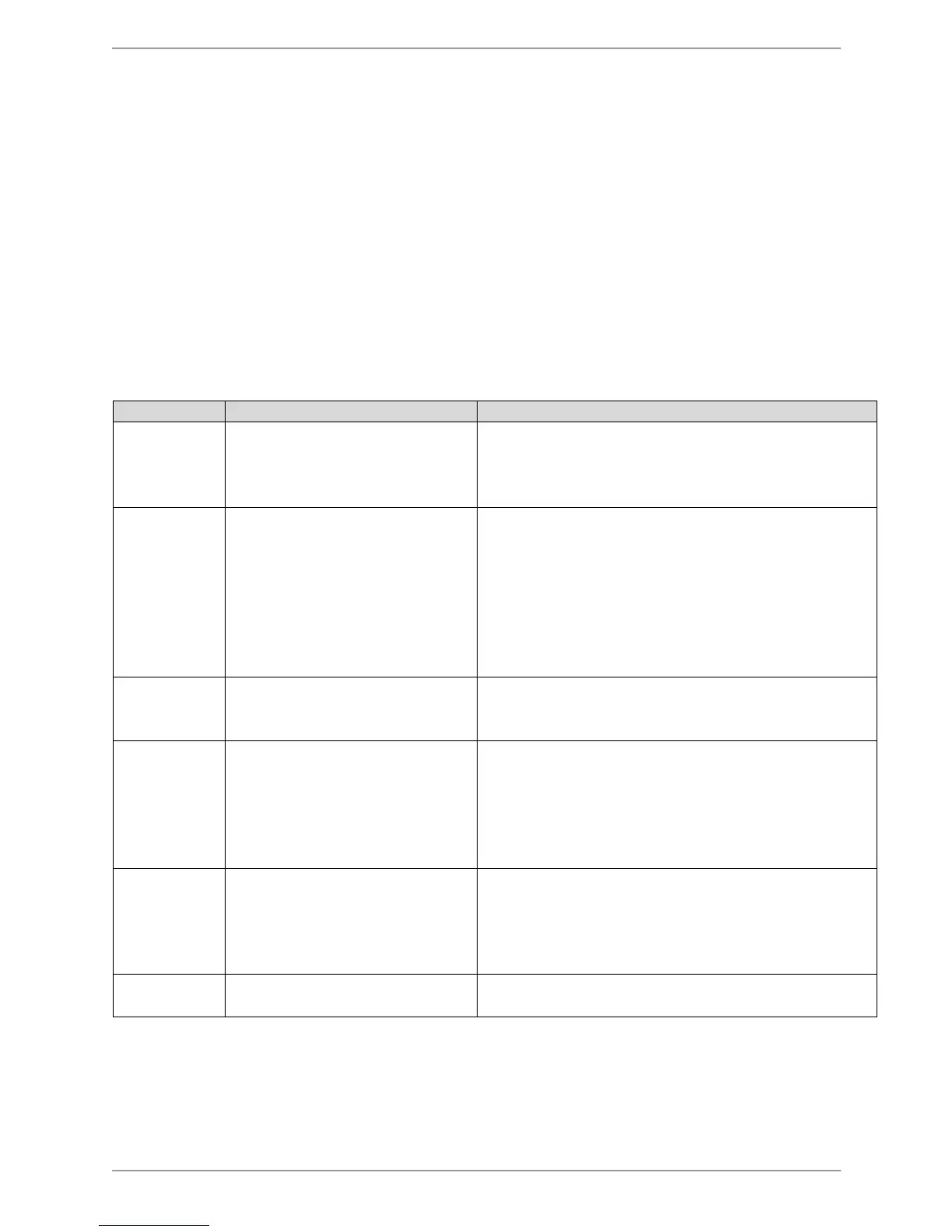
Table B.1. Clinical Test of Sensory Interaction and Balance (CTSIB)
Understanding of the condition
Accurate information is available to all three
sensory systems: visual, vestibular and
somatosensory. Normal individuals are very stable
in this condition.
No visual input is available. The Patient must rely
on somatosensory and vestibular inputs.
Somatosensory is the primary sensory input.
Vestibular inputs are secondary. High sway scores
are indicative of problems with somatosensory. In
normal individuals there is no significant
difference in sway with eyes open or closed on a
firm surface.
Visual conflict on firm surface
Some vision present but information conflicts with
vestibular information. This condition brings in
more vestibular and somatosensory inputs
Eyes open on a dynamic
surface
The unstable surface confounds the
somatosensory information as it imposes
additional challenges to the musculoskeletal
system. Primary inputs are visual with vestibular
as secondary. Normal individuals will sway more
on the unstable surface, but will not fall.
Eyes closed on dynamic
surface
This condition focuses on the vestibular sensory
input as visual is not available and somatosensory
is challenged by the unstable surface. Again
normal individuals will sway more on the unstable
surface, but will not fall.
Visual conflict on dynamic
surface
Used to evaluate the mediation of visual with and
vestibular and somatosensory inputs
* Visual conflict conditions are not performed in m-CTSIB. The m-CTSIB eliminates conditions 3
and 6. Biodex Balance products use the m-CTSIB format of 4 conditions as the default with the
ability to include the other 2 if desired.
What is being measured during the CTSIB test? The Sway Index (See Appendix A for a
definition). The higher the Sway Index the more unsteady the person was during the test. The


 To Next Page