22
Reference Manual
00809-0100-4026, Rev KC
Mechanical Installation
October 2018
Mechanical Installation
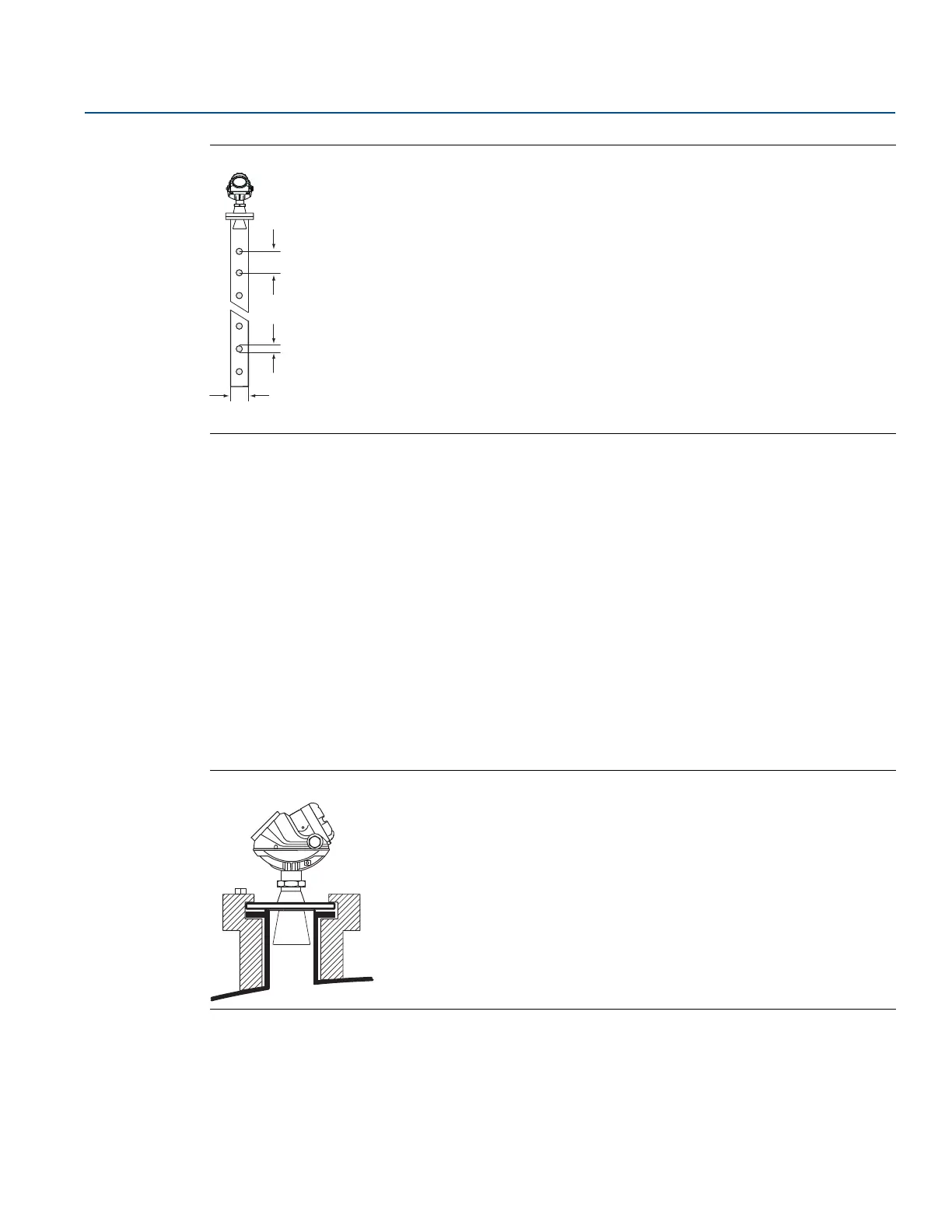
Figure 3-7. Recommended Hole Size for Pipe Installations
3.3.4 Condensation conditions
Generally, the radar signal is unaffected by condensation and low pressure steam. If affected, the lower
microwave frequencies are less affected. The critical point is the tank penetration, which acts as a cold
spot, where the condensation will form. The radar antenna is located at this cold spot.
If droplets of water build up on the antenna parts, the microwave signal may get partially or even entirely
blocked if the antenna is not designed for easy drip-off. Therefore, here it is beneficial to use as large
opening for the microwaves as possible, which is the main reason for the oversized PTFE seal in the
Rosemount 5400. An even better solution is to use a Process Seal Antenna if the process pressure permits
that.
To reduce the cold spot within the nozzle, it is always recommended to insulate the nozzle. By doing so,
the temperature in the nozzle will be the same as in the rest of the vessel and condensation will thus be
reduced. If the temperature in the tank is much higher than the ambient temperature (i.e. tank is heated
and located in a cold area), it might be necessary to heat trace the nozzle in addition to the insulation.
Figure 3-8. Insulate Nozzle to Avoid Condensation
min. 6 in. (150 mm)
max. Ø: D/10.
D








 To Next Page