Functionality
USER MANUAL FPC 200 - 3/2017 55
Locked rotor protection, excessive starting time - ANSI code 48/51LR/14
Failure of a rotating machine to accelerate when its stator is energized can be caused by several types of abnormal
conditions, including mechanical failure of the machine or load bearings, low supply voltage, or an open circuit in one
phase of a three-phase voltage supply. When a rotating machine stator winding is energized with the rotor stationary, the
machine performs like a transformer with resistance-loaded secondary winding. Stator winding currents may typically
range from three to seven or more times the rated full-load value, depending on the machine design and supply system
impedance.
Although the rotating machine starting current does drop off near full speed, this effect is normally neglected, providing
some safety margin from relay operation during rotor acceleration.
2.5.4.1 Functionality
Considering the current amplitude on start-up is at
maximum most of the time, the algorithm takes into
account that the start-up current is constant and is
equal to maximum start-up current. Therefore the
allowed start-up time is constant. This function
distinguishes between different rotating machine
conditions, regarding current and digital input states.
Trip of the function is considered as soon as any stated
condition is detected. When rotating machine reaches
stopped state, all signals are set to zero and all timers
are reset.
48/51LR/14
Enabled:
:
No
CONTROL SETTINGS
Start-up time:
300,0s
300,0s
Locked start t:
300,8s
Stall time:
COUNTERS
Trip counter:
Excesive start:
Locked start:
0
0
0
Stall:
0
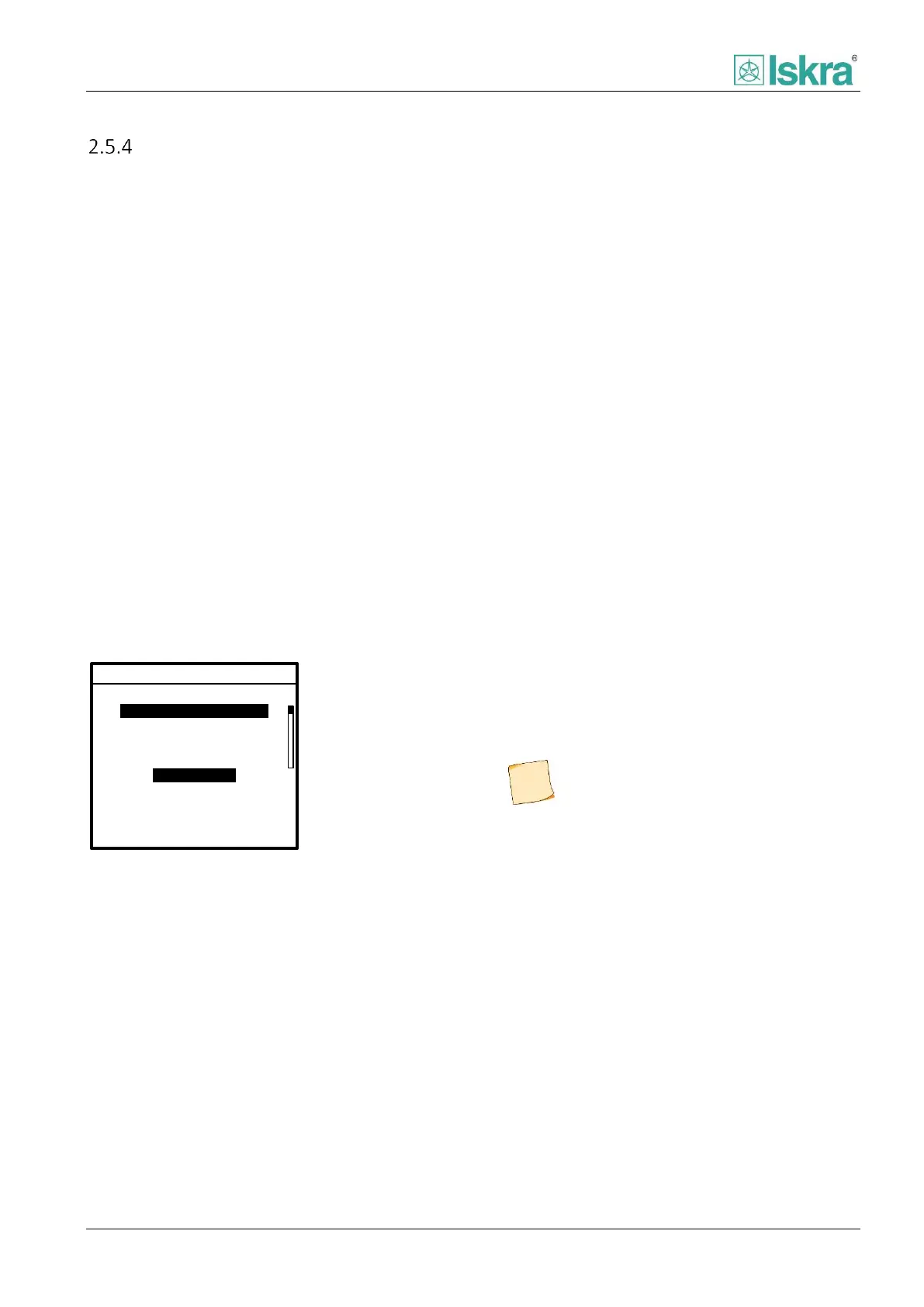
Figure 2.34 Locked rotor function parameters as seen on HMI.
Table 42 Locked rotor, excessive start time on HMI.
2.5.4.1.1 Excessive start – ANSI 48
Condition is considered if starting [2.6.4.3.2] signal is set
for longer period than Start-up time of the machine,
while rotation [2.5.4.3] signal is present.
2.5.4.1.2 Locked start – ANSI 51LR
Condition is considered if starting signal is set for longer
period than Locked start time of the machine, while
there is no rotation signal present.
2.5.4.1.3 Stall – ANSI 14
Condition is considered if stalling [2.6.4.3.6] signal is set
for longer period than Stall time of the machine.
Rotation signal is usually connected to an
external digital input, which is connected
to a rotating machine rotation detector.



 To Next Page