Electromagnetic Compatibility
Safety Standards & Specifications 10-9
Electromagnetic Compatibility
Medical electrical equipment can either generate or receive electromagnetic
interference. This product has been evaluated for electromagnetic
compatibility (EMC) with the appropriate accessories according to IEC 60601-
1-2, the international standard for EMC for medical electrical equipment. This
IEC standard has been adopted in the European Union as the European
Norm, EN 60601-1-2.
Radio frequency (RF) interference from nearby transmitting devices can
degrade performance of the product. Electromagnetic compatibility with
surrounding devices should be assessed prior to using the product.
Fixed, portable, and mobile radio frequency communications equipment can
also affect the performance of medical equipment. See your service provider
for assistance with the minimum recommended separation distance between
RF communications equipment and the product.
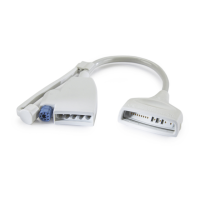
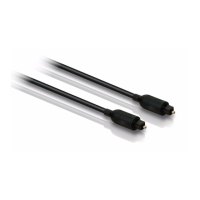
The cables, sensors/transducers, and other accessories for which compliance
is claimed are listed in the Service and User documentation accompanying
the product.
Warnings
• The use of accessories, transducers and cables other than those specified
in the product service and user documentation can result in increased
electromagnetic emissions or decreased immunity of the product.
• Short-range radio connections are subject to interruption due to
interference from other radio sources in the vicinity, including
microwaves, bluetooth devices, and DECT phones. Outside the frequency
band and 5% above and below, i.e. the exclusion band according to IEC
60601-1-2, the short-range radio connection is immune up to 3V/m in the
frequency range from 80MHz to 2.5 GHz. Depending on the strength and
duration of the interference, the interruption may occur for an extended
period. Any interruption of the signal due to interference, moving out of
range, or for other reasons is indicated with a Tele Disconnected INOP
message.
• The product should not be used next to or stacked with other equipment.
If you must stack the product, you must check that normal operation is
possible in the necessary configuration before the product is used on
patients.


 To Next Page
 Loading...