Electrocardiogram/Respiration (ECG/Resp) Measurement
Introduction to the Instrument
27
• A respiration wave,
• Pace pulse data,
• INOP messages, and
• status messages.
The ECG/Resp CPU receives control messages from the system CPU.
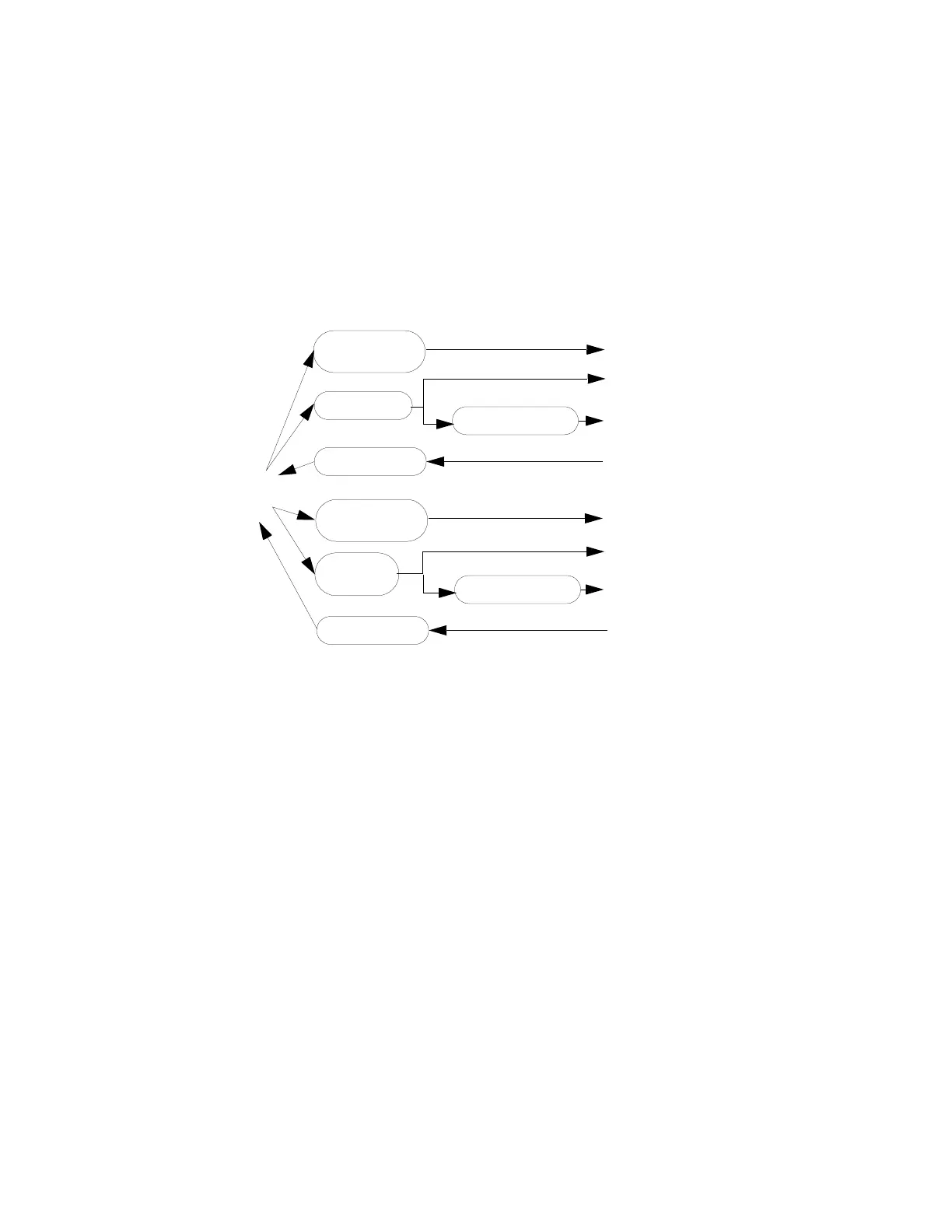
ECG Software on the System CPU
• Display Filter and Scaling
This software receives the raw ECG wave with pace pulse information from the ECG/Resp
CPU. The pace pulse spikes are removed from the ECG before filtering, and re-inserted
after filtering with their original shape (the filtering would distort them otherwise).
Software filters remove line frequency (50/60Hz), high frequency noise, artifacts and
baseline wander.
The waves are scaled automatically or manually as set by the user.
The defibrillator marker is superimposed on the ECG wave to be displayed.
ECG waves are communicated to the display unit via the operating system.
• Cardiotach
This software derives the averaged value of the heart rate. Pace pulses and undershoots are
removed from the signal. The multi-channel QRS detector generates beat identification tags
for the cardiotach. The detection algorithm weights noisy ECG channels less than channels
with clear signals. The cardiotach measures the time between two detected QRS complexes
and calculates a beat to beat and averaged heart rate. The heart rate is communicated to the
ECG Alarming software, and to the display unit via the operating system.
From
ECG/Resp
CPU
Display Filter
& Scaling
Cardiotach
ECG Controls
ECG Alarming
ECG Wave
Heart Rate
HR Limit
Alarm
ECG User
Controls
Breath
Detector
Resp Artifact
Suppression
Resp Controls
Resp Alarming
Resp Wave
Resp Rate
Resp
Alarm
Resp User
Controls
via Operating System to the Display Unit




 To Next Page