of the TCP connection between them is verified and the MD5 digest is checked on
every segment sent on the TCP connection.
Configuring a password for a neighbor causes an existing session to be torn down
and a new one established.
If you specify a BGP peer group by using the peer-group-name parameter, all the
members of the peer group inherit the characteristic configured with this
command.
If you configure a password on one neighbor, but you have not configured a
password for the neighboring router, the following message appears on the
console while the routers attempt to establish a BGP session between them:
%RPM0-P:RP1 %KERN-6-INT: No BGP MD5 from [peer's IP address]
:179 to [local router's IP address]:65524
Also, if you configure different passwords on the two routers, the following
message appears on the console:
%RPM0-P:RP1 %KERN-6-INT: BGP MD5 password mismatch from
[peer's IP address] : 11502 to [local router's IP address] :179
neighbor peer-group (assigning peers)
Allows you to assign one peer to an existing peer group.
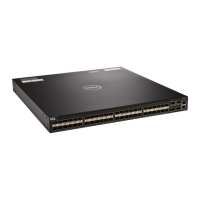
S6000
Syntax
neighbor ip-address peer-group peer-group-name
To delete a peer from a peer group, use the no neighbor ip-address peer-
group peer-group-name command.
Parameters
ip-address Enter the IP address of the router to be included in the peer
group.
peer-group-
name
Enter the name of a configured peer group.
Defaults Not configured.
Command
Modes
ROUTER BGP
Command
History
This guide is platform-specific. For command information about other platforms,
refer to the relevant Dell Networking OS Command Line Reference Guide.
The following is a list of the Dell Networking OS version history for this command.
Version 9.0.2.0 Introduced on the S6000.
374
Border Gateway Protocol



 To Next Page