3-50 ENGINE CONTROL SYSTEM
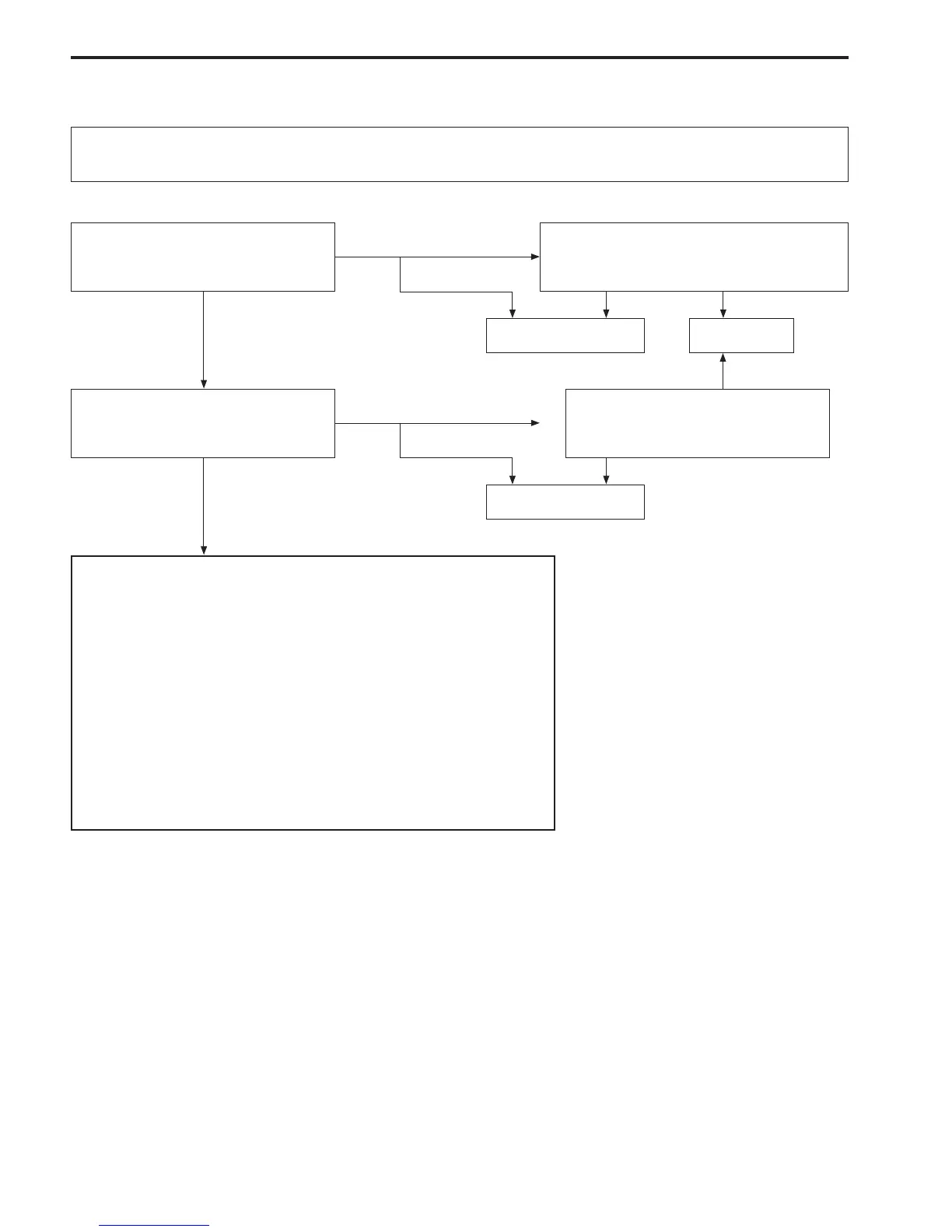
CHART13 : UNSTABLE IDLING / TROLLING (OR ENGINE TENDS TO STALL)
Before starting this troubleshooting, make sure that :
• There is no self-diagnostic code indication.
START
< Ignition switch “ON” >
Check “5” terminal voltage.
Is result OK? (See page 3-37)
YES
< Ignition switch “ON” >
Check “24” terminal voltage.
Is result OK? (See page 3-37)
YES
< Individual check >
Check neutral switch function.
Is result OK? (See page 4-11)
NO YES
NO (Always 0 V)
Neutral switch failure ECM failure
(Always 2.5 V)
[NOTE1]
YES
< Individual check >
Check CTP switch function.
Is result OK? (See page 3-43)
NO
CTP switch failure
[NOTE2]
Possible cause :
• Incorrect by-pass air screw adjustment [NOTE3]
• IAC valve failure [NOTE3]
• IAC passage failure (clogged hose, etc.) [NOTE3]
• Spark plug failure
• Ignition coil failure
• ECM failure
• Wire continuity / connection failure
• Failure of high pressure fuel system components :
• Fuel injector (clog, stuck valve, etc.)
• Fuel pressure regulator (incorrect regulated pressure, etc.)
• Fuel pump (clogged suction filter, leakage in tank, etc.)
• Fuel filter (clog, etc.)
• Hose (clog, kink, leakage, etc.)
NOTE1:
If neutral switch has failed (while engine running), engine will tend to stall when shifting into gear.
If neutral switch has failed as “always ON”, engine speed is limited to 3000 r/min. by intermittent fuel injection
and ignition timing is fixed at BTDC 8°.
If neutral switch has failed as “always OFF”, engine can not be cranked.
NOTE2:
If CTP switch has failed, engine will tend to stall when decelerating.
NOTE3:
• The self-diagnostic code “3-1” may not be indicated because IAC valve condition depends on ECM control.
(See page 3-29)
• If IAC valve has failed, “Fast-idle function (warm-up mode)” won’t operate.
NO (Always 0 V)
(Always 12 V)


 To Next Page