EasyManua.ls Logo

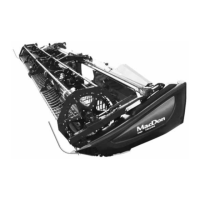
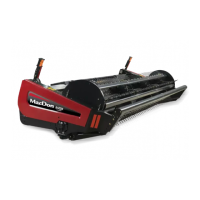
MacDon D50 - User Manual

MacDon D50
298 pages
Print Icon
To Next Page IconTo Next Page
Loading...
D50 and D60
Draper Headers for Self-Propelled
Windrowers
Operators Manual
169441 Revision D
Original Instruction
The Harvesting Specialists.

Table of Contents

Other manuals for MacDon D50

Questions and Answers

  • P
    pparrishAug 26, 2025
    What causes strips of uncut material with MacDon Farm Equipment?
    • B
      Brooke RoachAug 26, 2025
      Strips of uncut material when using MacDon Farm Equipment can be due to crowding uncut crop or broken sickle sections. Allow enough room for the crop to be fed to the cutterbar, and replace any broken sickle sections.
  • S
    Shirley MayAug 25, 2025
    How to fix MacDon Farm Equipment that does not pick up down crop?
    • J
      Joshua BakerAug 26, 2025
      If your MacDon Farm Equipment is not picking up down crop, the cutterbar may be too high, the header angle too flat, or the reel may be too high or too far back. The ground speed might be too fast for the reel speed, or the reel fingers may not be lifting the crop sufficiently. Lower the cutterbar and reel, steepen the header angle, move the reel forward, reduce the ground speed or increase the reel speed, and increase the finger pitch aggressiveness. You can also install lifter guards.
  • J
    John RobinsonAug 25, 2025
    What to do if cut grain is falling ahead of the cutterbar on MacDon Farm Equipment?
    • S
      Shelly TaylorAug 25, 2025
      If you observe cut grain falling ahead of the cutterbar on your MacDon Farm Equipment, several factors could be responsible. The ground speed or reel speed might be too slow, or the reel might be too high or too far forward. The cutterbar could also be too high. Worn or broken sickle components can also cause this issue. Increase the ground speed and reel speed. Lower the reel and cutterbar. Move the reel back on the arms. Replace worn or broken sickle components. If cutting at speeds over 6 mph (10 km/h) with a high-torque (10 tooth) reel drive sprocket, replace it with a high-speed (19 tooth) reel drive sprocket.
  • J
    Joseph EverettSep 4, 2025
    How to troubleshoot ragged or uneven cutting of crop with MacDon D50 Farm Equipment?
    • H
      Hannah ConradSep 4, 2025
      If your MacDon Farm Equipment is producing a ragged or uneven cut, several factors could be responsible. Start by adjusting the sickle hold-downs. Replace any worn or broken sickle sections or guards. Check the engine speed of the windrower to ensure the sickle is operating at the recommended speed. Reduce ground speed or increase reel speed if they are mismatched. Adjust the reel position and finger pitch. Lower the cutting height if the cutterbar is too high, and steepen the header angle if it's too flat. Straighten a bent sickle and align the guards. For tangled crops, install stub guards. Finally, move the reel forward if it is too far back.
  • C
    cbakerSep 8, 2025
    What causes excessive breakage of sickle sections or guards on MacDon D50 Farm Equipment?
    • E
      Edward PachecoSep 8, 2025
      If you're experiencing excessive breakage of sickle sections or guards on your MacDon Farm Equipment, there are several potential causes. Adjust the sickle hold-downs. Raise the cutterbar using the skid shoes if operating too low in stony conditions. Adjust float springs for lighter float if the float is set too heavy. Straighten or replace bent or broken guards. Flatten the header angle if it is too steep.
  • A
    amcbrideSep 7, 2025
    Why is reel motion uneven under no load on my MacDon D50?
    • T
      Timothy VazquezSep 7, 2025
      If the reel motion is uneven under no load on your MacDon Farm Equipment, it is likely due to excessive slack in the reel drive chain. Tighten the chain to resolve this issue.
  • D
    Daniel LeeSep 7, 2025
    Why are there heads on the ground with my MacDon Farm Equipment?
    • J
      Julie PerrySep 7, 2025
      If you're finding heads on the ground that have flowered out while using your MacDon Farm Equipment, here's what might be happening: The draper speed is too slow, so increase it. The draper angle is too flat, so increase the header angle. The ground speed is too slow, so increase it. The crop is too ripe, so cut the material before it gets too mature.
  • J
    James SalazarSep 7, 2025
    Why does the reel wrap up with crop on my MacDon D50 Farm Equipment?
    • M
      Mr. Daniel BrownSep 7, 2025
      If the reel on your MacDon Farm Equipment wraps up with crop, the reel may be too low. Try raising it.
  • T
    Taylor JohnsonSep 6, 2025
    What to do if the reel is not releasing crop on MacDon D50 Farm Equipment?
    • S
      Stacey OnealSep 6, 2025
      If the reel on your MacDon Farm Equipment is not releasing crop, consider the following: Reduce reel speed if it's too fast. Raise the reel if it's too low. Reduce the cam setting if the reel tines are too aggressive. Move the reel forward if it's too far back.
  • J
    Julie BeltranSep 5, 2025
    Why is there excessive header vibration in my MacDon Farm Equipment?
    • G
      gabrielataylorSep 5, 2025
      If your MacDon Farm Equipment is experiencing excessive header vibration, there are several possible causes. Start by adjusting the sickle hold-downs. If you have a double knife drive, adjust the sickle timing. Check the engine speed of the windrower to ensure the sickle is operating at the recommended speed. If there is excessive sickle wear, replace the sickle. Tighten or replace parts if the sickle head pin or drive arm is loose or worn. Finally, straighten the cutterbar if it is bent.


Summary

Chapter 1: Safety

1.1 Safety Alert Symbols

Explains the meaning and importance of safety alert symbols used in the manual.

1.2 Signal Words

Defines signal words like DANGER, WARNING, CAUTION, IMPORTANT, and NOTE used for safety information.

1.3 General Safety

Provides general safety precautions and personal protective equipment recommendations for operating machinery.

1.4 Maintenance Safety

Outlines safety procedures and PPE required for maintaining the equipment.

1.5 Hydraulic Safety

Details safety procedures for inspecting and servicing hydraulic equipment due to high pressure.

1.6 Safety Signs

Information on safety signs, their placement, and maintenance.

1.7 Safety Decal Locations

Illustrates locations of safety decals on the machine for older and newer versions.

Chapter 2: Product Overview

2.1 Definitions

Lists and defines terms, abbreviations, and acronyms used throughout the manual.

2.2 Specifications

Provides technical specifications for header models including dimensions, weights, and performance.

2.3 Component Identification

Identifies and locates the main components of the header with a diagram.

Chapter 3: Operation

3.1 Owner;Operator Responsibilities

Outlines the responsibilities of the owner and operator for safe and proper machine operation.

3.2 Operational Safety

Details critical safety precautions to be followed during machine operation.

3.3 Header Attachment;Detachment

Provides step-by-step instructions for attaching and detaching the header from the windrower.

3.4 Break-in Period

Guidance on the initial operation and break-in period for the new header.

3.5 Preseason Check

Lists essential inspection and servicing procedures to perform at the start of each operating season.

3.6 Daily Start-Up Check

Daily tasks to complete before starting the machine to ensure safe operation.

3.7 Shutting down Header

Procedures for safely shutting down the header and machine to prevent damage or injury.

3.8 Cab Controls

Identifies primary header functions controlled from the windrower cab.

3.9 Header Safety Props

Explains the function and importance of header safety props for preventing unexpected falls.

3.10 Reel Safety Props

Details on engaging and disengaging reel safety props for working around a raised reel.

3.11 Header Setup

Guidance on setting up the header, including reel positions and cam settings for various crops.

3.12 Header Operating Variables

Explains key variables that affect header performance and how to adjust them.

3.13 Delivery Opening

Information on adjusting the width and location of the delivery opening for windrow configuration.

3.14 Windrow Types

Describes different windrow types and the machine settings for achieving them.

3.15 Haying Tips

Useful tips for operating the header in hay crops.

3.16 Draper Deflectors

Instructions for replacing and reworking draper deflectors.

3.17 Knifehead Shield

Information on installing knifehead shields to prevent crop accumulation.

3.18 Leveling Header

Guidance on how to level the header if it becomes unlevel.

3.19 Unplugging Cutterbar

Procedures for safely clearing plugged cutterbars.

3.20 Upper Cross Auger (Option)

Details on the Upper Cross Auger, including removing and installing beater bars.

3.21 Transporting Header

Precautions and procedures for transporting the header on a windrower or when towing.

3.22 Storing the Header

Recommendations for properly storing the header to prevent corrosion and wear.

Chapter 4: Maintenance and Servicing

4.1 Preparing Machine for Servicing

Safety precautions to observe before starting any service or maintenance on the machine.

4.2 General Procedures

General procedures that are repeated throughout the manual for various maintenance tasks.

4.3 Endshields

Procedures for opening, closing, adjusting, removing, and installing header endshields.

4.4 Lubrication

Information on lubricating header components and service intervals for lubrication.

4.5 Hydraulic Schematics

Hydraulic schematics for different header configurations to aid in troubleshooting.

4.6 Electrical System

Information on the header's electrical system, including replacing light bulbs.

4.7 Cutterbar

Procedures related to the cutterbar, including replacing knife sections and guards.

4.8 Knife Drive

Details on the knife drive system, including belts, boxes, and pulleys.

4.9 Drapers

Maintenance procedures for the drapers, including tensioning, removal, and installation.

4.10 Reel

Information on reel maintenance, including clearance, frown, centering, and drive components.

4.11 Transport System (Optional)

Procedures for checking and maintaining the optional transport system wheels.

4.12 Maintenance Requirements

Outlines regular and periodic maintenance requirements organized by service intervals.

Chapter 5: Options and Attachments

5.1 Reel Kits

Describes various reel kits available to enhance header performance in different crop conditions.

5.2 Cutterbar Kits

Details kits available for the cutterbar, such as wearplates, knifehead shields, and stub guards.

5.3 Header Kits

Lists header kits that add features or enhancements to the header frame.

5.4 Crop Delivery Kits

Optional kits to optimize header performance for specific crops or conditions.

Chapter 6: Troubleshooting

6.1 Crop Loss at Cutterbar

Table diagnosing crop loss causes at the cutterbar and their solutions.

6.2 Cutting Action and Knife Components

Table diagnosing cutting action and knife component problems and recommended repair procedures.

6.3 Reel Delivery

Table diagnosing reel delivery problems and their recommended solutions.

6.4 Header and Drapers

Table diagnosing header and draper problems and their recommended solutions.

6.5 Cutting Edible Beans

Table diagnosing issues when cutting edible beans and their recommended solutions.

6.6 Windrow Formation

Table diagnosing windrow formation problems and their recommended solutions.

Chapter 7: Reference

7.1 Conversion Chart

Provides SI and US customary unit conversions for measurements used in the manual.

7.2 Torque Specifications

Lists torque values for various bolts, cap screws, and hydraulic fittings.

7.3 Unloading and Assembly

Instructions for unloading, assembly, and setup procedures for the header.

MacDon D50 Specifications

General IconGeneral
BrandMacDon
ModelD50
CategoryFarm Equipment
LanguageEnglish

Related product manuals