214880 59 Revision A
3.11.4 Windrow Characteristics
Producing windrows with the recommended characteristics will achieve the best results. Refer to 3 Operation, page 19 for
instructions on adjusting the header.
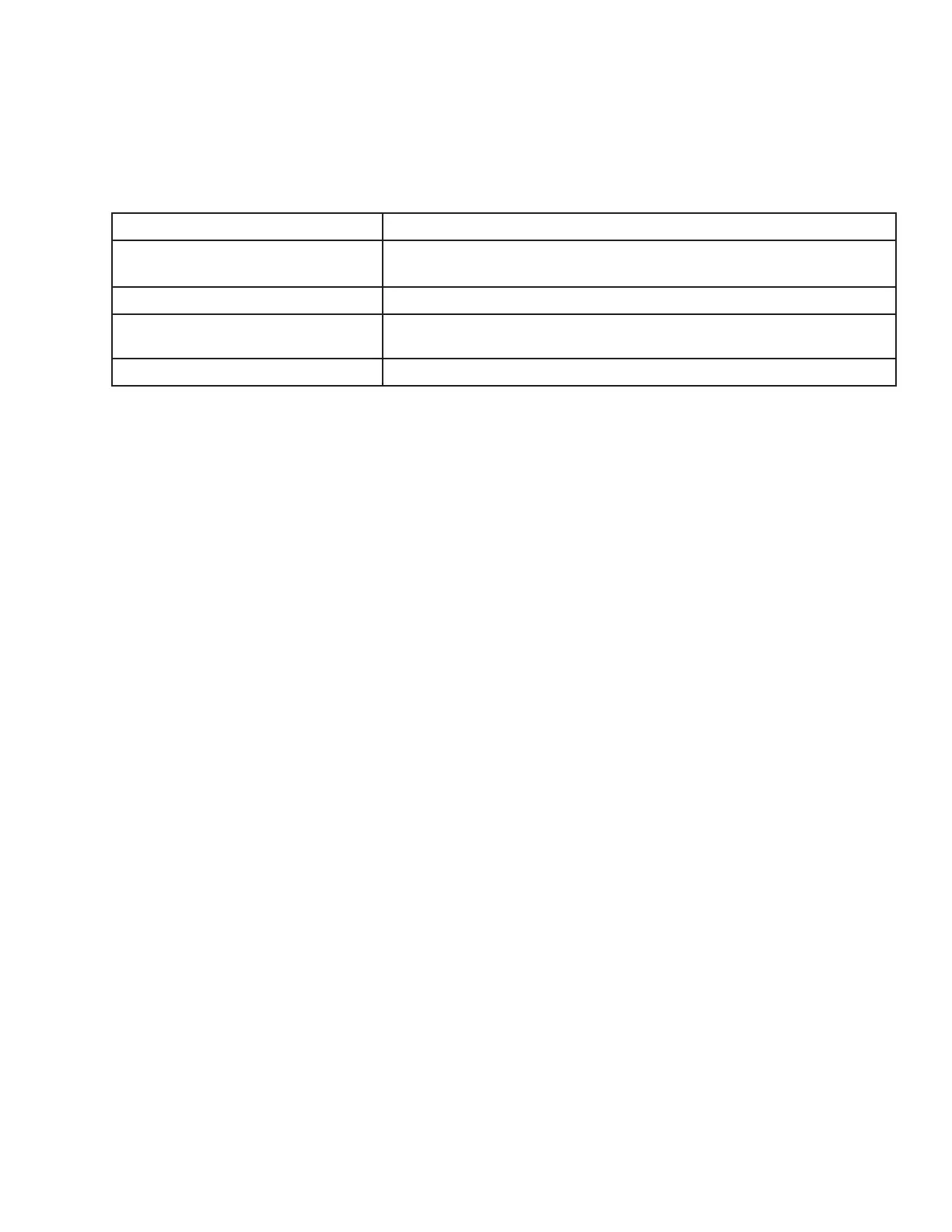
Table 3.3 Recommended Windrow Characteristics
Characteristic Advantage
High and fluffy
Enables airflow through windrow, which is more important to the curing
process than direct sunlight
Consistent formation (not bunching) Permits an even flow of material into the baler, chopper, etc.
Even distribution of material
across windrow
Results in even and consistent bales to minimize handling and
stacking problems
Properly conditioned Prevents excessive leaf damage
3.11.5 Driving on Windrow
Driving on previously cut windrows that will not be raked can lengthen drying time by a full day. If practical, set forming
shields to produce a narrower windrow that the machine can straddle.
NOTE:
Driving on the windrow in high-yield crops may be unavoidable if a full width windrow is necessary.
3.11.6 Using Chemical Drying Agents
Hay drying agents work by removing wax from legume surfaces and allowing moisture to escape cut crop and evaporate
faster; however, treated hay lying on wet ground will absorb ground moisture faster.
Before deciding to use a drying agent, carefully compare the relative costs and benefits for your area.
OPERATION


 To Next Page