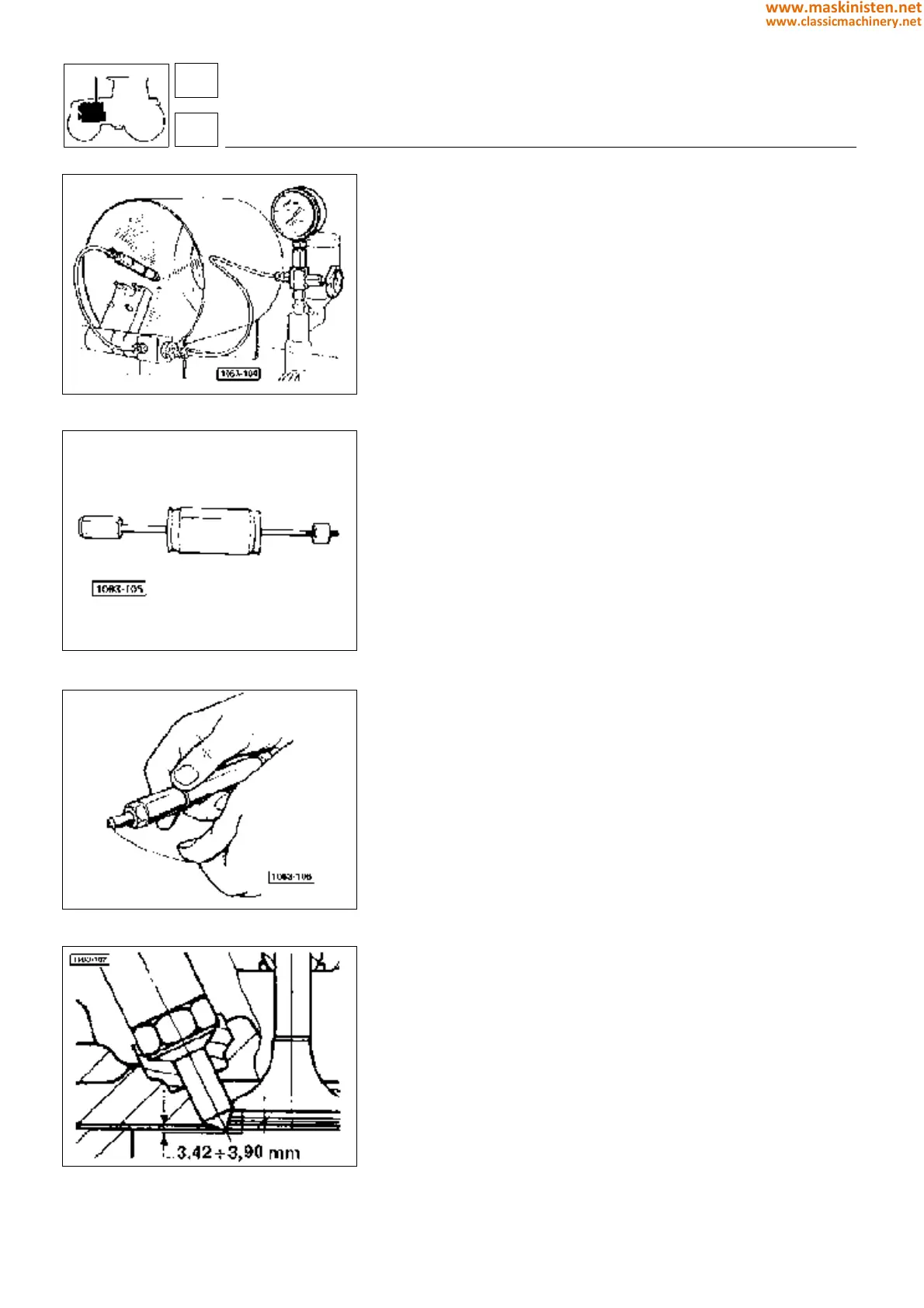
Fig. 4 - Checking injection nozzle spraying effi-
ciency.
Fig. 5 - No. 5.9030.618.4 tool used to remove
injection nozzle from seat.
Fig. 6 - Cleaning injection nozzle with a piano
wire.
Fig. 7 - Injection nozzle projection from the cylin-
der head face.
Checking injection nozzle seat tightness
Checking the injection nozzle seat tightness is very important as
this permits to verify whether there is any fuel dripping from the
injection nozzle before the calibrating pressure is reached.
This test is carried out by operating the hand pump until a pressure
reading about 10% lower than the calibration pressure is attained.
Take care this pressure be maintained by oppotunely pressing on
the hand pump lever, so as to compensate the pressure drop
which otherwise would be caused by the fuel dripping between pin
and nozzle holder body.
Under these conditions the injection nozzle should never drip;
otherwise consult an injection pump specialist.
Checking injection nozzle spraying efficiency
Connect the injection nozzle to a pump and operate the pump lever
repeatedly so that the operating conditions may be reproduced.
Fuel must be sprayed from the nozzle holes in form of finely
atomized jets, which should all be equal in size. There should be
as many jets as there are holes in the injection nozzle.
Otherwise, clean the nozzles by removing first the residual carbon
deposits from the nozzle holes with a Ø 0.26 mm steel wire and
then clean them thoroughly with a Ø 0.28 mm wire, this having the
same diameter as the nozzle spraying holes.
Injection nozzle projection from the cylinder head
face plane
Make sure the injection nozzle projects 3.42 to 3.90 mm from the
cylinder head face plane.
engine
fuel system
16
1
54
www.maskinisten.net
www.classicmachinery.net



 To Next Page