8.13
Date Code 20110408 Instruction Manual SEL-551 Relay
Testing and Troubleshooting
Acceptance Testing
Phase Overcurrent
Elements
The SEL-551 has many phase overcurrent elements as shown in Table 8.1 and
Table 8.2. Except for elements 50A, 50B, and 50C, they operate based on a
comparison between the maximum phase current directly applied to the phase
inputs and the phase overcurrent setting.
Test the instantaneous and inverse-time phase overcurrent elements by
applying current to the inputs and comparing relay operation to the phase
overcurrent settings. These tests were previously outlined in this section.
Negative-Sequence
Overcurrent Elements
The SEL-551 has four negative-sequence overcurrent elements as shown in
Table 8.1 and Table 8.2. They all operate based on a comparison between a
negative-sequence calculation of the three-phase inputs and the negative-
sequence overcurrent setting. The negative-sequence calculation that is
performed on the three-phase inputs is as follows (assuming ABC rotation):
Equation 8.2
This means that if balanced positive-sequence currents are applied to the relay,
the relay reads 3I2 = 0 (load conditions).
For testing purposes, apply a single-phase current to the relay and the
negative-sequence overcurrent elements will operate. For example, assume
one ampere on A-phase and zero on B- and C-phases:
Equation 8.3
Test the instantaneous and inverse-time negative-sequence overcurrent
elements by applying current to the inputs and comparing relay operation to
the negative-sequence overcurrent settings. These tests were previously
outlined in this section.
Neutral Ground
Overcurrent Elements
The SEL-551 has four neutral ground overcurrent elements. They all operate
based on a comparison between the separate neutral current input (IN) and the
neutral ground overcurrent setting.
For testing purposes, apply a single-phase current to the separate neutral input
and the neutral ground overcurrent elements will operate at the setting
threshold.
Test the instantaneous and time-delayed neutral ground overcurrent elements
by applying current to the inputs and comparing relay operation to the neutral
ground overcurrent settings. These tests were previously outlined in this
section.
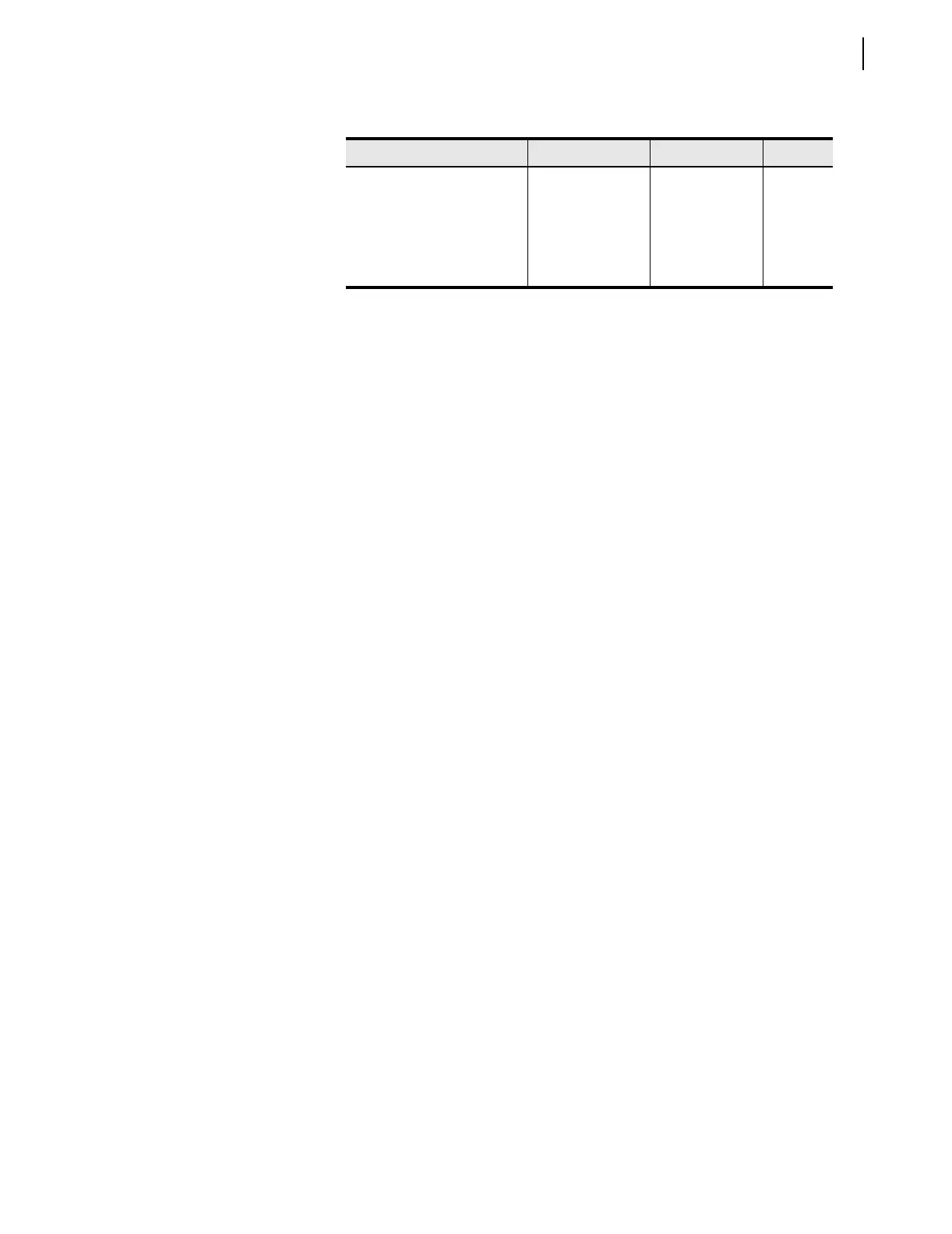
Negative-Sequence Level 2 51Q2 2
Pickup 51Q2P (picked up)
Curve 51Q2C
Time-Dial 51Q2TD 51Q2T 2
Electromechanical Reset 51Q2RS (timed out)
Table 8.2 Inverse-Time Overcurrent Elements and Corresponding Settings/
Relay Word Bits/TAR Commands (Sheet 2 of 2)
Element/Settings Setting Names Relay Word Bits TA R
3I2 A-phase B-phase (shifted by –120°)+=
+ C-phase (shifted by 120°)
3I2 1 0 (shifted by –120°)+=
+ 0 (shifted by 120°)
1 (simulated ground fault condition)=



 To Next Page