APPENDIX E - PROFILES
107
SG-System I Operating Manual
E
Profiles
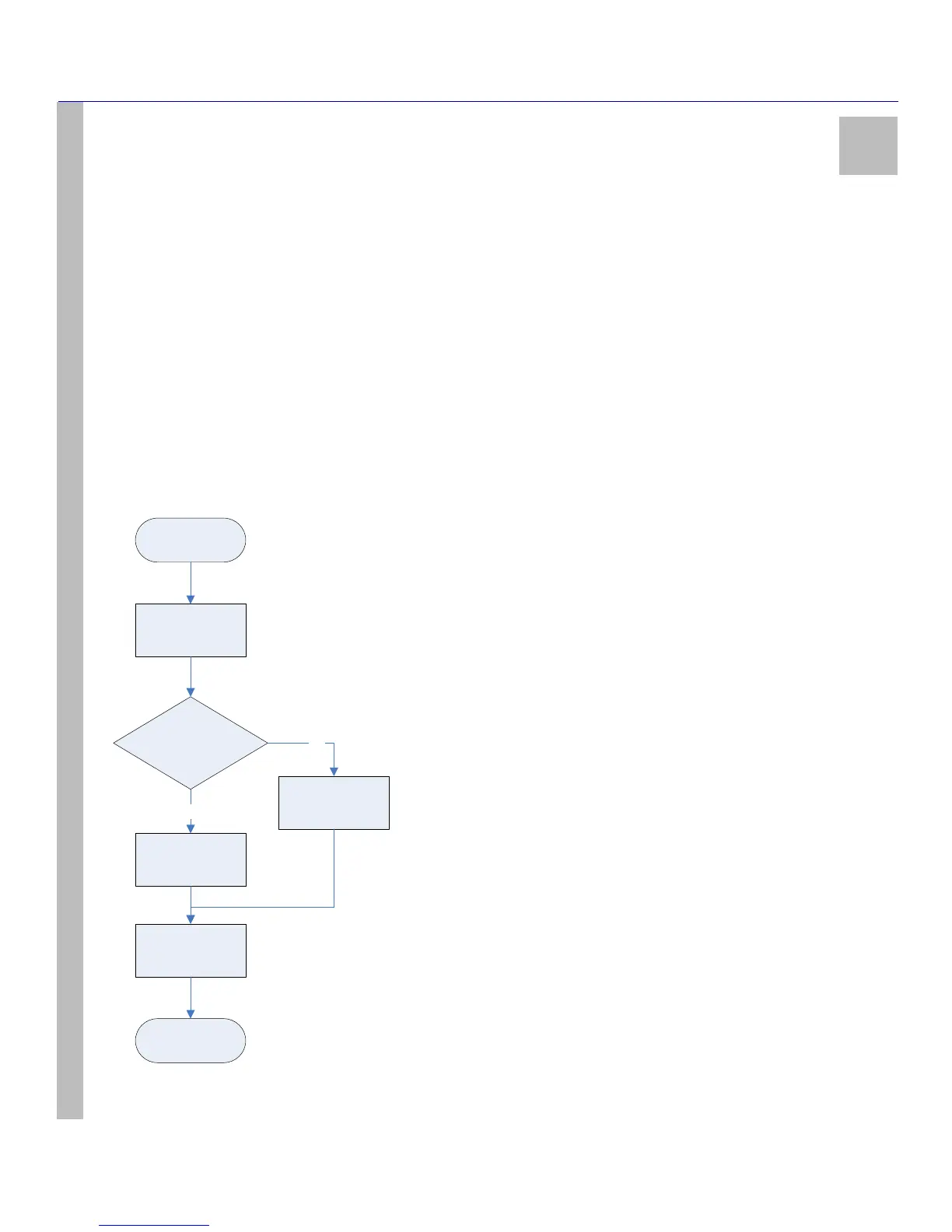
The SG-System I virtual receiver will load unique profiles in order to effectively communicate with control panels. A profile is a set of pre-
programmed line card options unique to a particular DNIS or Caller ID number. The DNIS will point to a particular profile, which will then
be loaded into the line card before the first handshake is sent. It is essential that the correct option be programmed for a profile in order to
communicate correctly with the control panel. Each virtual receiver can have a maximum of 64 profiles (0 to 63). To change the options for
a particular profile, the System I Console software is provided. This software will allow the user/operator to edit the profiles. Should a signal
be received that has a DNIS that is not associated to a profile, the receiver will use profile 0. The SG-System 1 has a pool of profiles that can
be used by either channel. Profiles are not reserved to a channel.
DNIS (Dialled Number Identification Service): This number represents the dialled number, or the number being called.
ANI (Automatic Number Identification) This number represents the source of a call and allows the system to determine the handshake proto-
col.
Caller ID: This number identifies the source of a call.
DNIS or Caller ID can be used for profile selection.
Figure 12: Profiles
Receiver DNIS or
Caller ID
Use Profile 0
Corresponding
Profile?
No
Send String to
look up table
Point to Profile #
Done
Use options from
profile
Yes


 To Next Page