192 Chapter 8
Measurement Theory
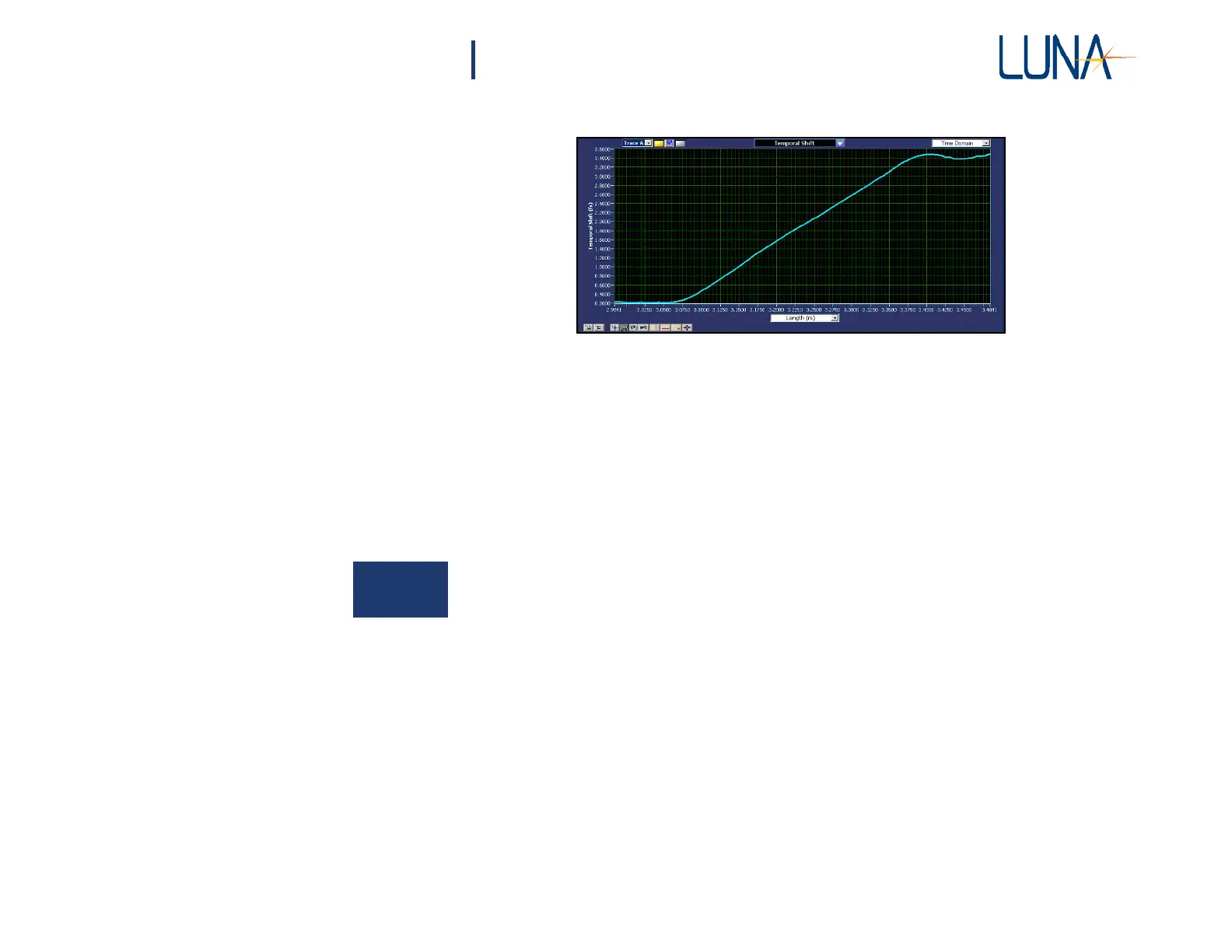
Figure 8-13. Temporal Shift results for the same source data
and same length range as in Figure 8-12.
Number of Points and Resolution
The spatial resolution of the Spectral Shift, Spectral Shift Quality, Temperature
Change, Strain and Temporal Shift measurements is determined by the Sensor
Spacing and Gauge Length settings in the Data Processing area of the main
software window. When these two settings are the same, they are equivalent to the
two-point spatial resolution. The Gauge Length determines the segment size of the
Rayleigh scatter that is used to determine the Spectral Shift, from which the other
sensing parameters are calculated. The Sensing Range divided by the Sensor
8
Spacing determines the number of points displayed to the user.
Distributed Sensing References
D. Gifford, B. Soller, M. Wolfe, and M. Froggatt, “Distributed Fiber-Optic Sensing
using Rayleigh Backscatter,” WB 4, p. 5, European Conference on Optical
Communications (ECOC) Technical Digest, Glasgow, Scotland, 2005.
M. Froggatt, B. Soller, D. Gifford, and M. Wolfe, “Correlation and keying of
Rayleigh scatter for loss and temperature sensing in parallel optical networks,” OFC
Technical Digest, paper PDP 17, Los Angeles, March, 2004.
B. J. Soller, D. Gifford, M. Wolfe, and M. Froggatt, “High resolution optical
frequency domain reflectometry
for
characterization
of
components
and assemblies,”
Opt. Express, 13, pp.666-674, 2005.


 To Next Page