viii MicroHAWK Engine Integration Guide
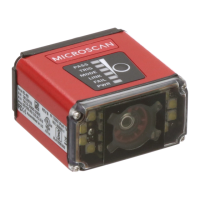
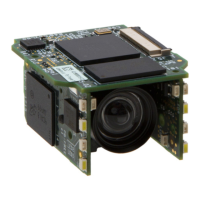
About the MicroHAWK Engine
About the MicroHAWK Engine
The key features of the MicroHAWK Engine are:
• World’s smallest industrial scan engine
• Able to read any symbol on any surface
• Intuitive WebLink user interface
• Customizable hardware options
• Customizable software options
MicroHAWK Engine Communications
There are three ways to configure and test the MicroHAWK Engine:
•
Microscan’s browser-based
WebLink
user interface, which enables you to access, configure,
and test the engine without having to install software or access files on a host system;
• Microscan’s ESP Software, which allows you to configure your reader using simple tree
controls and UI elements;
• Serial commands that can be sent from the Terminal in WebLink or ESP, or from
another terminal program.
About This Manual
The purpose of this user manual is to document the hardware and firmware of the MicroHAWK
Engine, as well as the software used to configure and operate the engine. The browser-based
WebLink interface is the preferred configuration tool, but ESP Software is useful for certain
operations, such as:
• Device discovery to find the reader IP address;
• If you only have an RS-232 (serial) connection;
• Updating MicroHAWK Engine firmware;
• Using the Configuration Database;
• Creating barcodes for reader configuration;
• Generating Symbol Quality reports.
Parts of this manual introduce the basic functionality of WebLink, but WebLink Help in the
WebLink user interface provides more detailed information. This manual’s primary focus is
MicroHAWK Engine hardware and firmware, and ESP Software.
Important: Some images in this manual may contain information about other MicroHAWK
products (the ID-20, ID-30, or ID-40), but only when the functions described are identical to
those of the MicroHAWK Engine.




 To Next Page