Inspections and checks
WARNING: To clean and wash the hydraulic pump components
use only the oil type recommended for brakes and clutch (see
page 106). Never use petrol, kerosene or other mineral oils to
prevent damaging the rubber parts.
Inspect both internal and external piston sliding surfaces for
scratching. Replace if required.
Make sure the seal ring grooves are duly clean; blow the grooves
with compressed air if necessary.
Inspect seal ring, dust boot conditions as well as spring efficiency,
worn-out parts should be replaced.
Inspect all pump internal compartments, apertures and passages
and make sure these are properly clean and free from foreign
matters.
Check that the spring is neither lazy nor deformed; replace if
necessary.
Reassembly
Reassemble the cylinder, repeating the disassembly steps in reverse order and observing the following directions:
— Lubricate surfaces engaged in relative sliding contact, using the recommended oil (see page 110).
— Verify correct operation of the cylinder, making certain that the piston is able to complete its full stroke unimpeded.
In the event that the fork linking the master cylinder with the pedal has been removed, check that with the push rod
fully extended, the distance between the reference surface of the cylinder and the centre of the hole in the fork is as
indicated in figure 17.
If not (referring to fig 14), remove the boot, loosen the lock nut A and screw or unscrew the fork B to obtain the prescribed
clearance, then retighten the lock nut and reposition the boot.
Fig 17 - Section through clutch master cylinder.
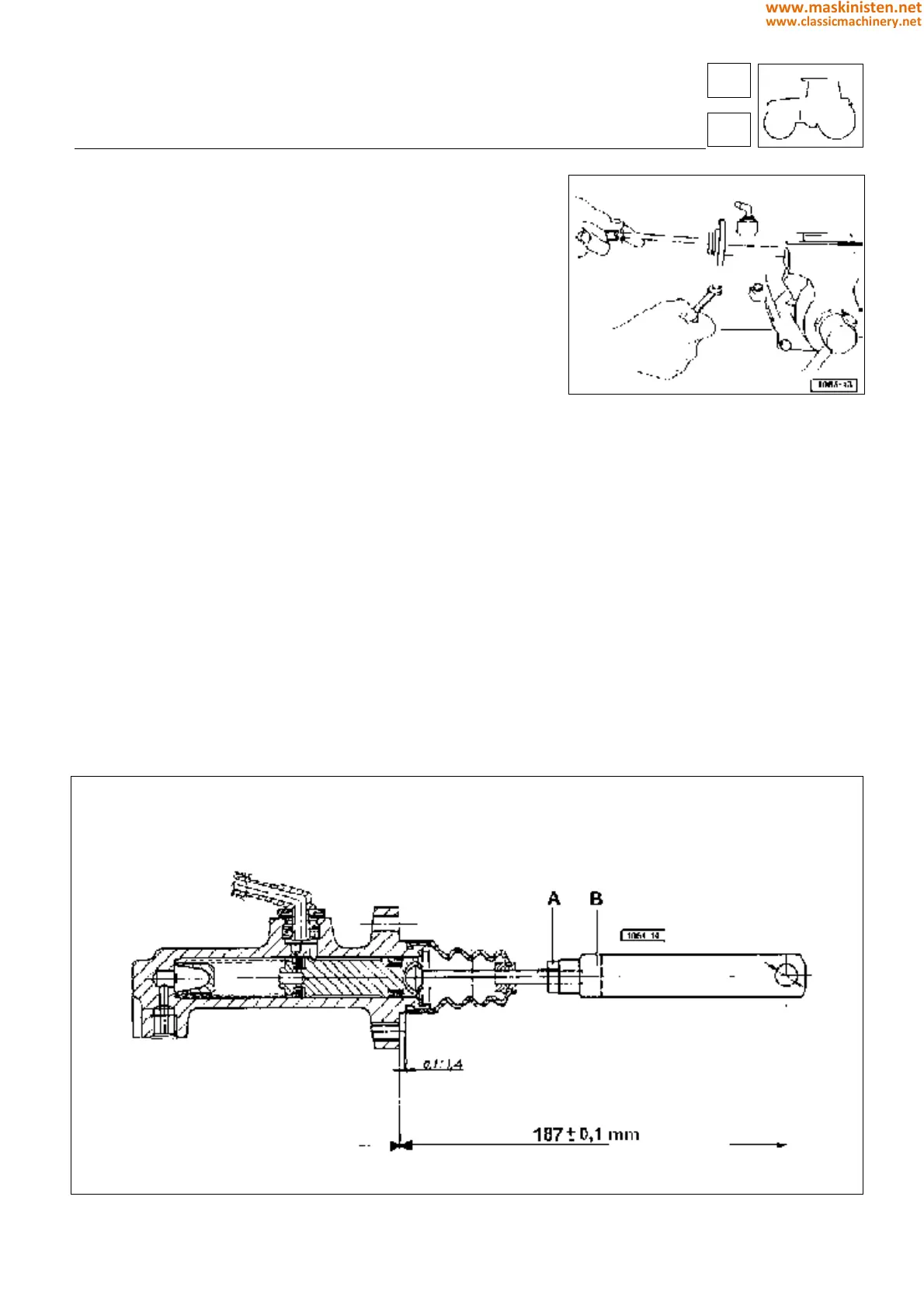
Fig. 16 - Removing the oil pump inside parts.
clutch and transmission
clutch
23
2
117
www.maskinisten.net
www.classicmachinery.net



 To Next Page