Paramount ME User’s Guide
41
Depending on the size and weight of your optical tube assembly (OTA), you might want to
solicit a friend (or two) to help lift, orient and attach this component. The Losmandy
dovetail mounting brackets provide a stable mounting interface for most off-the-shelf
OTAs. Be sure to sufficiently tighten all mounting screws.
To limit the stress placed on the right ascension gear teeth while attaching the OTA to the
declination plate, the right ascension axis should be rotated so that the counterweight
shaft is vertical as shown in XFigure 20X. Then estimate the amount of counterweight that is
required and mount it to the counterweight shaft. In this configuration, the out-of-balance
system is in a static state and the gear teeth are not supporting the entire load of the
counterweights. Once the counterweights are in place, the OTA can be attached.
Great care should be taken to center the mass of the OTA near the center of the
declination axis. Depending on the type of hardware used to attach the OTA, this
adjustment can be made during attachment or by moving mounting rings prior to lifting
the OTA to the Versa-Plate.
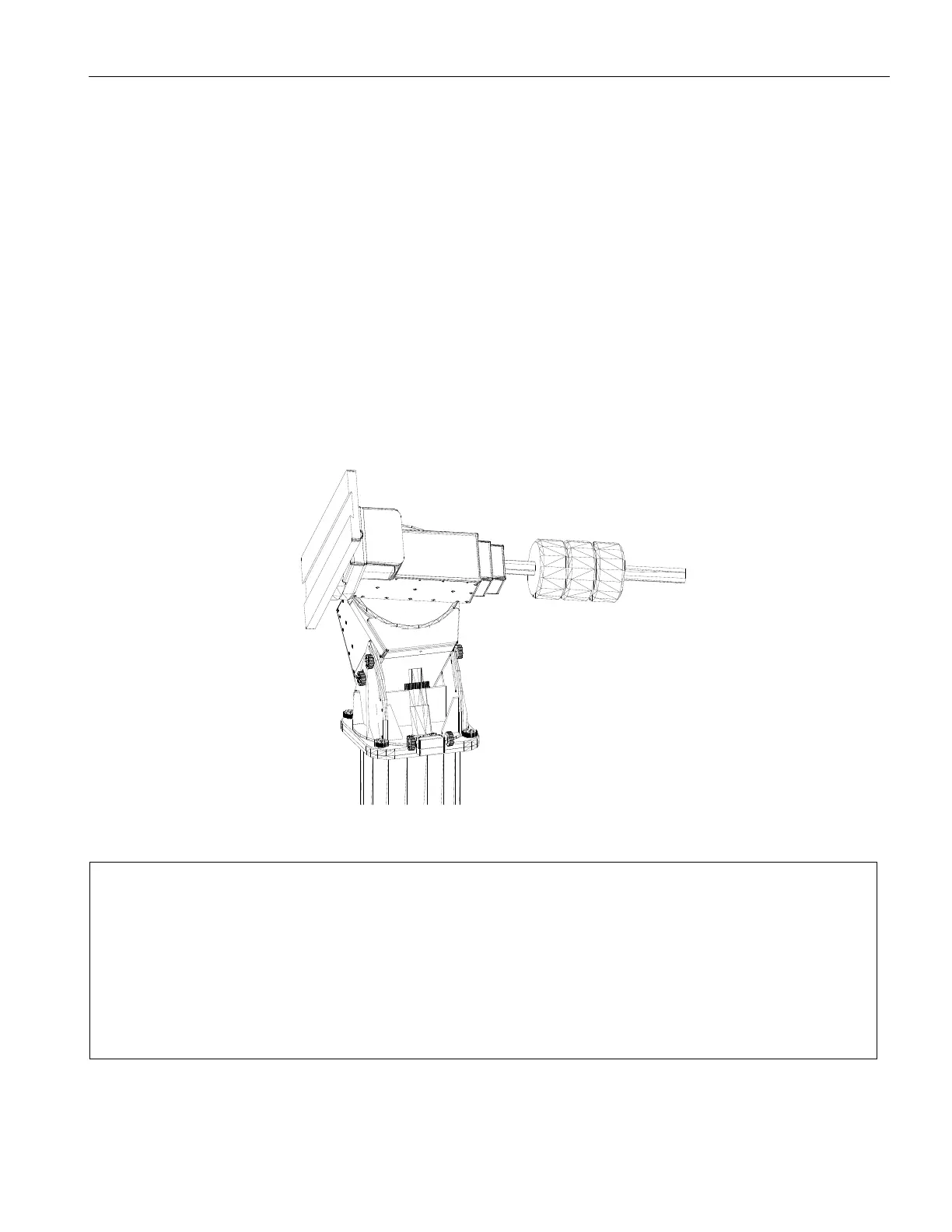
Figure 21: This figure shows a Paramount ME that is dangerously out of balance.
Never position the Paramount ME in the above
orientation when the worm gear is engaged!
The Paramount ME, as pictured in XFigure 21X, is in an unstable
configuration and places extreme torque on the right ascension gear teeth.
The counterweight shaft should remain in the vertical position while the
Paramount ME is loaded with counterweights and the OTA has not yet been
attached. This minimizes the torque on the right ascension gear teeth and
ensures the mount is in a stable position at all times.



 To Next Page