were used to estimate: - the reproducibility SD as the square root of model MSE; the reproducibility limit as
reproducibility SD multiplied by 2.88; the reproducibility coefficient of variation as (reproducibility SD / mean)
multiplied 100; - the repeatability SD as the square root of (device variance component estimate + operator
variance component estimate + device*subject variance component estimate + operator*subject variance
component estimate + model MSE); the repeatability limit as repeatability SD multiplied by 2.88; the
repeatability coefficient of variation as (repeatability SD / mean) multiplied 100.
Variability of repeated measures within a subject was assessed before ANOVA modeling to guarantee that
it is fairly constant across the range of results, as proved:
- plotting the standard deviation of repeated results with eye versus the mean of repeated results
(data not shown);
- estimating the Spearman correlation coefficient between the standard deviation of repeated results
with eye versus the mean of repeated results (data not shown).
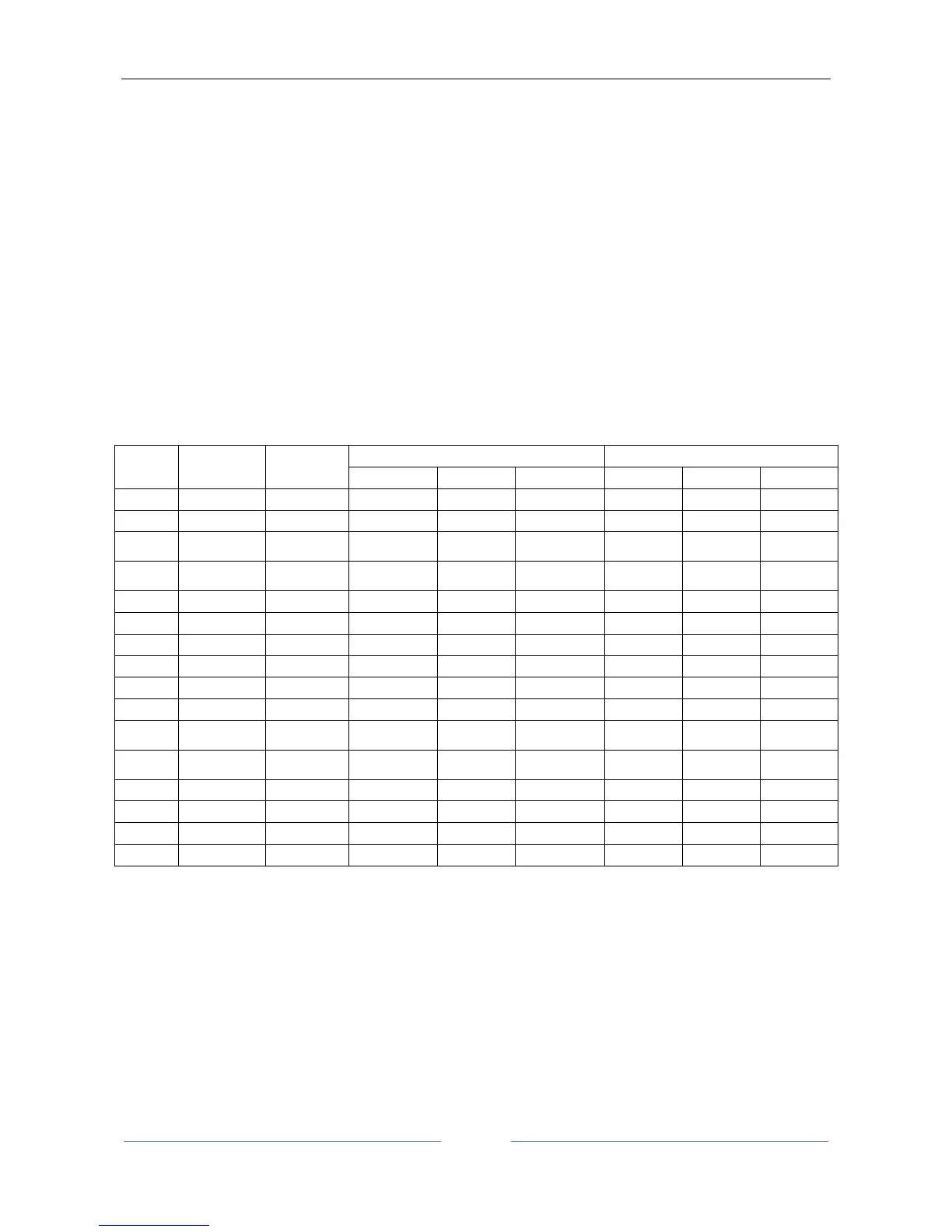
The results of the analysis of repeatability and reproducibility are summarized in Table 2:
TABLE2
Repeatability and reproducibility.
Note to Table 2:
- Repeatability includes variation due to measurement error;
- Reproducibility includes variations due to device, operator, interaction between device and subject, interaction between
operator and subject, and measurement error;
- Repeatability % COV = (Repeatability SD / abs(overall mean))*100;
- Reproducibility % COV = (Reproducibility SD / abs(overall mean))*100.
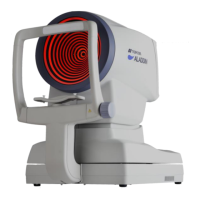
The result of the repeatability and reproducibility study demonstrate that ALADDIN is substantially equivalent
for both repeatability and reproducibility to the predicate device.
Agreement study and reproducibility and repeatability study prove that ALADDIN performances are
substantially equivalent to the predicate device ones for the assessed endpoints.


 To Next Page