436 9424200994 Rev N
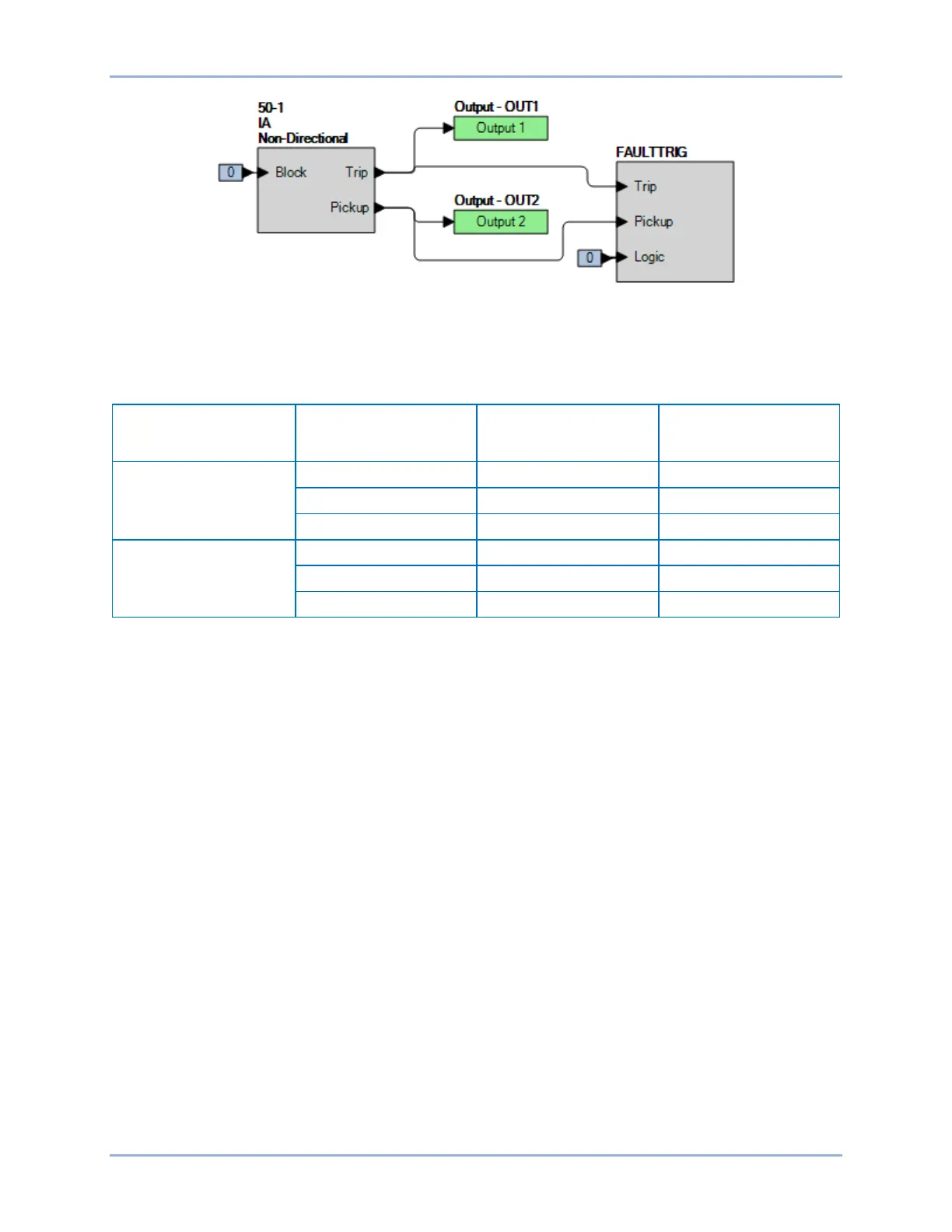
Figure 296. BESTlogicPlus Settings (Phase Mode)
Step 3: Use BESTCOMSPlus to open the Protection, Current, Instantaneous Overcurrent (50-1) screen
and send the low range test settings (minimum pickup setting) to the BE1-11g for your sensing
input type in Table 182.
Table 182. Pickup Test Settings (Phase Mode)
Sensing Input Type Range Pickup Setting Time Delay
5 A
1 A
Step 4: Prepare to monitor the 50-1 function operation. Operation can be verified by monitoring OUT2
(see Figure 296).
Step 5: Connect a current source to terminals D1 and D2 (A-phase). Note that mode can be set for IA,
IB, IC, or 3 phases. Test is conducted on IA.
Step 6: Slowly increase the A-phase current until OUT2 closes and record the pickup. Verify that there
is a 50-1-A target on the front-panel display. Slowly decrease the applied current until OUT2
opens and record the dropout.
Step 7: Repeat step 6 for the middle and high range pickup settings for your sensing input type. Record
the results.
Step 8: (Optional.) Repeat steps 1 through 7 for phase B and phase C. Note: Be sure to change
Element Mode and enable proper target for each phase being tested.
Step 9: (Optional.) Repeat steps 1 through 8 for settings group 1, 2, and 3.
Step 10: (Optional.) Repeat steps 1 through 9 for 50-2, 50-3, 50-4, 50-5, and 50-6.
Step 11: (Optional.) Repeat steps 1 through 10 with CT Circuit 2 as the source for protection systems
equipped with two sets of CTs. In step 5, replace D1 with F1, D2 with F2, etc.
Timing Verification (Phase Mode)
Step 1: Use BESTCOMSPlus to open the Protection, Current, Instantaneous Overcurrent (50-1) screen
and send the first row of test settings in Table 183 to the BE1-11g for settings group 0.
Step 2: Prepare to monitor the 50-1 timings. Timing accuracy is verified by measuring the elapsed time
between a sensing current change and OUT1 closing.
Step 3: Connect and apply 0.45 A to BE1-11g terminals D1 and D2 (A-phase).
Step 4: Step the A-phase current up to 0.75 A. Measure the time delay and record the result.
Instantaneous Overcurrent (50) Test BE1-11g


 To Next Page