Calculating Current Draw and Standby Battery Installation Requirements
FCP-300/FCP-300ECS Manual — P/N LS10145-002FK-E:A 3/12/2021 23
6. Use the next size battery with the capacity greater than required.
7. The Total does not include the isolator devices or the accessory bases.
3.7.3 Maximum Battery Standby Load
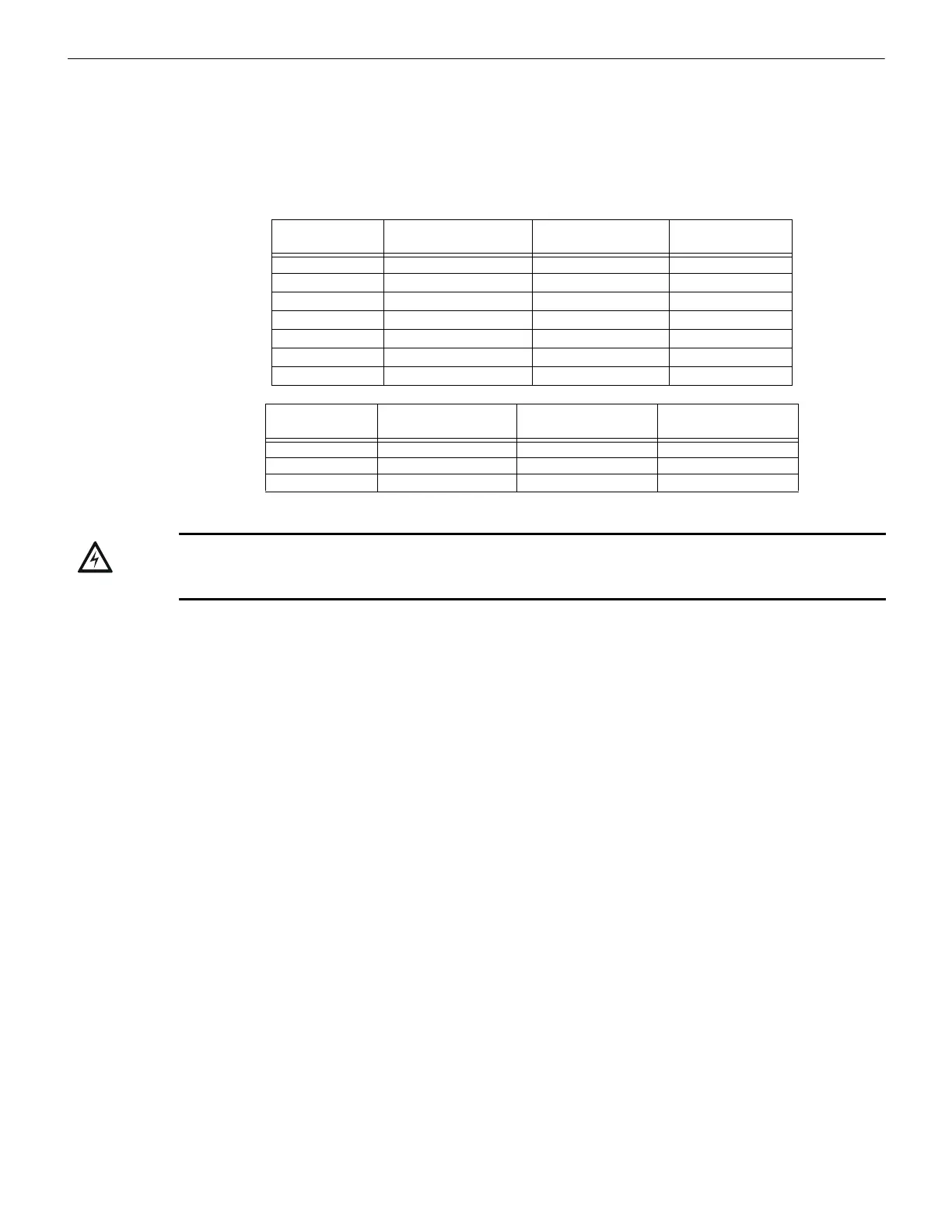
Table 3.4 and Table 3.5 show the standby load calculations for the FCP-300 based on 24 hours and 90 hours of standby. The
standby load calculations of line D in the Current Draw Calculation Worksheet must be less than the number shown in
Table 3.4 and Table 3.5 for the selected battery size, standby hour and alarm time. The numbers below have a built in 20% de-
rating factor for the battery amp-hour capacity.
*For FM Installation only
Rechargeable
Battery Size
24 hr Standby,
5 mins. Alarm
24 hr Standby,
15 min alarm
24 hr Standby,
20 min alarm
17AH 535mA 473mA 442mA
18AH 569mA 506mA 475mA
24AH 769 mA 706mA 675mA
33AH 1.07A 1.01A 975mA
35AH 1.14A 1.07A 1.04A
40AH 1.30A 1.24A 1.21A
55AH 1.80A 1.74A 1.71A
Table 3.4 :Maximum Battery Standby Loads for 24 Hour Standby
Rechargeable
Battery Size
90 hr Standby,
5 min alarm
90 hr Standby,
15 min alarm
90 hr Standby,
20 min alarm
33 AH N/A N/A N/A
40 AH 347mA 331mA 322mA
55 AH 480mA 464mA 456mA
Table 3.5 Maximum Battery Standby Loads for 90 Hour Standby*
WARNING: Fike does not support the use of batteries smaller than those listed in Table 3.4 and Table 3.5. If you use a
battery too small for the installation, the System could overload the battery resulting in the installation having less than the
required 24 hours standby power. Use Table 3.4 and Table 3.5 to calculate the correct battery amp hour rating needed for your
installation. It is recommended that you replace batteries every five years.


 To Next Page