Chapter 8
8. Equine Fibrinogen Test
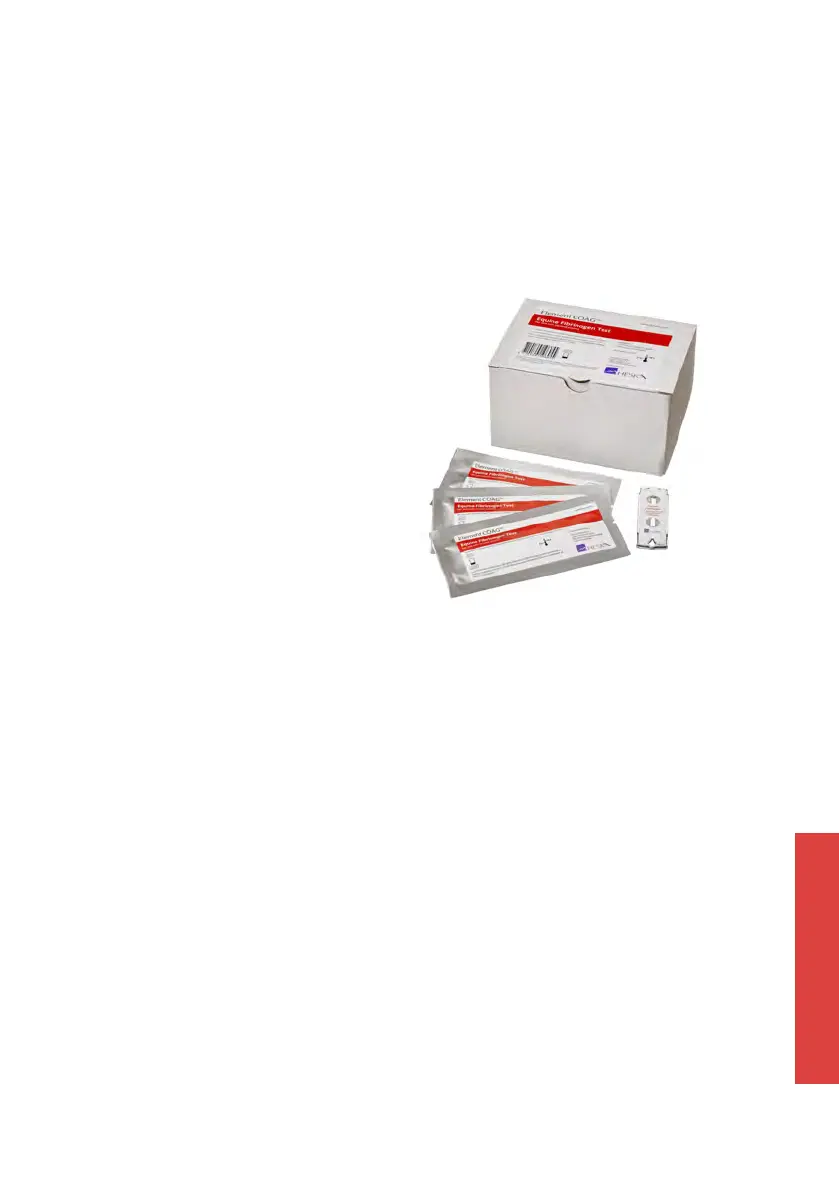
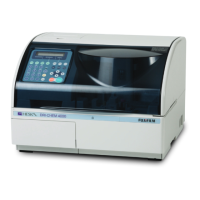
Figure 8.1:
The Heska Element COAG
™
Fibrinogen test kit.
The Heska Element COAG
™
Fibrinogen
cartridge used with the Heska Element
COAG
™
Analyzer is designed to measure
the concentration of clottable fibrinogen in
an equine (horse) plasma sample using
the Ellis–Stransky method.
Each Fibrinogen cartridge contains dual
optical detection windows filled with micro-
channels.
The Heska Element COAG
™
test car-
tridge measures the fibrinogen concen-
tration from
100 µL
diluted plasma with
nominal test duration of approximately 10
minutes including warm-up time.
8.1. Fibrinogen Testing
Fibrinogen is an acute phase protein
(APP), used as a clinical indicator of acute or chronic systemic inflammation. APPs
are quickly released into the bloodstream as a reaction to injury or infection. APPs are
proteins in which plasma concentration either increase or decrease by at least
25 %
after
an inflammatory stimulus [5, 6].
Early detection of systemic inflammation is particularly significant in formulating and
initiating an effective treatment plan [
7
]. Inflammation that is undiagnosed or unrecognized
can impair growth and performance. Fibrinogen plasma concentration normally increases
within 24 to 48 hours in response to inflammation. Elevated levels of fibrinogen indicate a
degree of systemic inflammatory response. Increase in fibrinogen concentration is related
to the magnitude of inflammation and often occurs before clinical evidence of disease [
8
–
13
]. Low levels of fibrinogen may indicate a potential bleeding and/or liver problem. Quick
and accurate diagnosis is essential for successful outcome of treatment.
When measured in citrated plasma, a level above the normal range of
2.0 g/L
to
4.0 g/L
indicates a systemic inflammatory response. Age and breed have to be taken into
57


 To Next Page