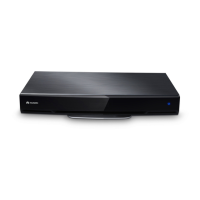
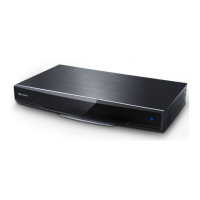
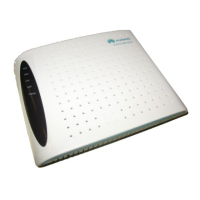
TE20 Videoconferencing Endpoint
Huawei Proprietary and Confidential
Copyright © Huawei Technologies Co., Ltd.
Sets endpoint parameters, such as H.323 and SIP.
Checks endpoint alarms.
Backs up and restores endpoint settings.
Upgrades the endpoint online.
To remotely manage the endpoint from the videoconferencing network management system,
log in to the web interface of the endpoint, choose System Settings > Network > SNMP
Settings, and set SNMP parameters, as shown in Table 10-3.
To secure your account, it is recommended that you change the password upon the first login and
regularly change the password afterwards. The password you set on the endpoint must be the same as
that set in the videoconferencing network management system.
Table 10-3 Information required for connecting to the videoconferencing network management
system
Indicates whether
to enable SNMP.
When the
endpoint is
used as a
client, the
parameter
settings must
be the same
as those in the
videoconfere
ncing
network
management
system.
Indicates the
videoconferencing
network
management
server address
used by the
endpoint to report
alarms.
Indicates the
videoconferencing
network
management
server port number
used by the
endpoint to report
alarms.
Indicates the
SNMP server
version.
Indicates the
credential that the
endpoint uses to
report alarms to
the
videoconferencing
network
management
server.
Used to
authenticate trap


 To Next Page