7.2 When the Device Appears to be a Problem
7-10 ZM2371/ZM2372
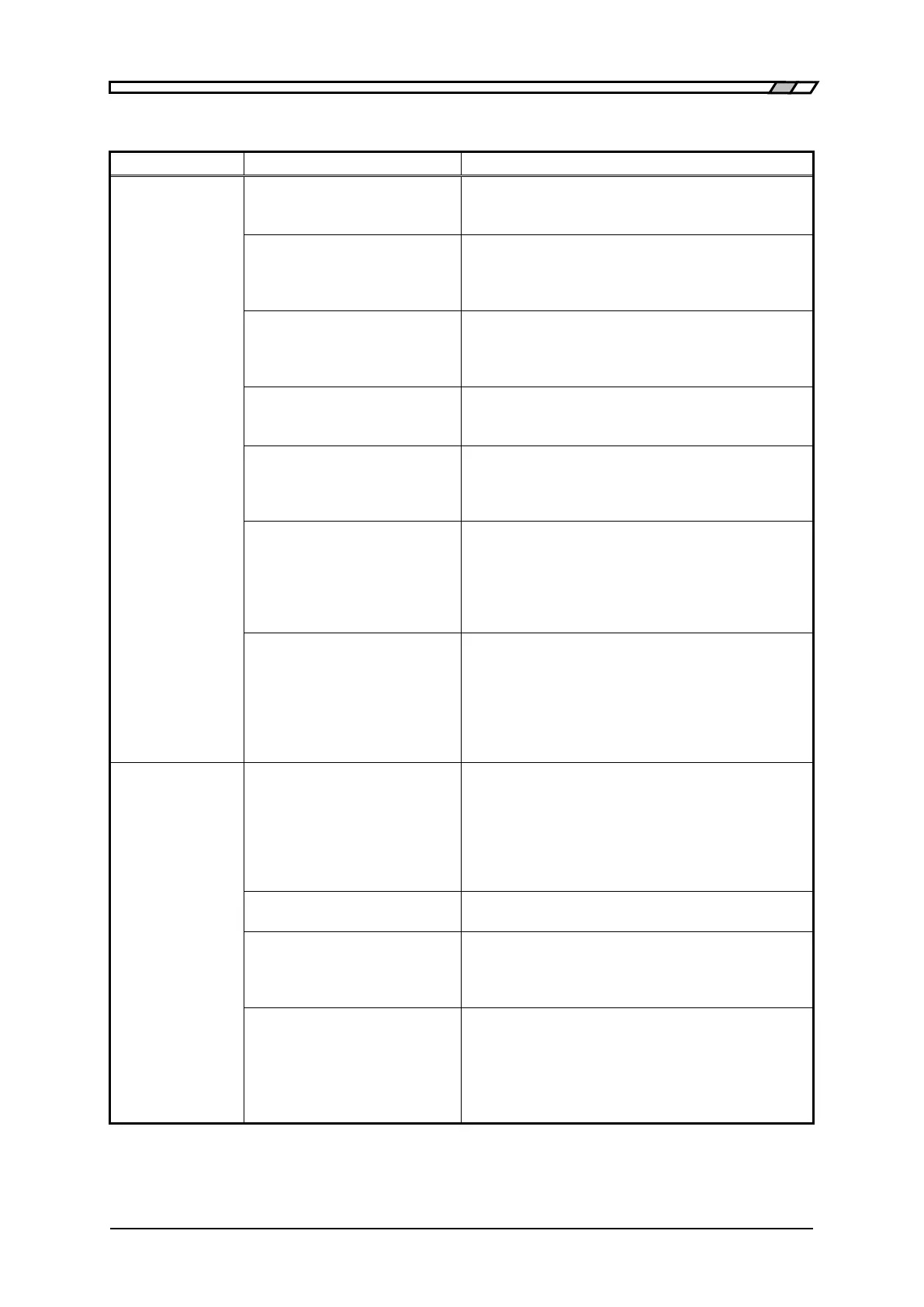
Table 7–1 When the device appears to be a problem 3/3
Measured value
differs largely
from expected
value
measurement is
impossible
or
correction
values cannot be
measured
Wrong correction values are
set
Try to turn off OPEN, SHORT, and LOAD
correction values. Re-measure or re-set
correction values.
Measurement conditions are
incorrect.
Set the frequency and signal level to the
specified values. Measured value may vary
largely with the measurement conditions
depending on the DUT.
The shield-to-shield
connection of connection
cables is not made.
For four connection cables, connect their outer
conductor (shields) together. Otherwise, a return
path of measurement current is not formed,
causing a measurement failure.
Connection cables to DUT or
contacts are defective.
Check the cables for continuity, or the inner and
outer conductors for short-circuit, or the
contacts for contamination.
The L side of DUT is
grounded. Or, DUT is
grounded with low
impedance.
Do not connect the DUT’s terminal to the
ground. ZM2371 / ZM2372 cannot measure the
grounded DUT. This is also true for the
measurement of correction values.
Internal impedance bridge is
unstable (too large
capacitance between L
terminal of DUT and
ground).
Including the capacitance of four connection
cables, restrain the capacitance between L
terminal of DUT and ground to about 2000pF or
less. For large DUT or DUT having complex
construction, the capacitance to ground
(capacitance to shield) may be very large.
Noise mixes in. Exposed
signal lines (particularly L
side) are near to a portion
where potential variations
are extreme.
When measuring high impedance such as OPEN
correction, electrostatic-shield the signal lines or
ensure adequate distance from noise sources.
Ground the case and peripheral conductors.
When signal level is small or in a range of over
10kHz to 20kHz, the device is likely to be
interfered.
Refreshing of display is slow.
Or, same measured value is
obtained repeatedly, and
thus the measured value
does not change.
There is no corrective action.
When the measurement speed is fast, ZM2371 /
ZM2372 thins out and displays the measured
results so that the measured values can be read
appropriately.
The measurement itself is executed at the
specified speed.
Check the setting of averaging count, and set it
to 1 if the averaging is not necessary.
Check the trigger delay time, and set it to
minimum necessary value. When the trigger
source is internal, set it to initial value (8ms) or
zero.
The measurement range is
switched by the range
automatic selection function.
The measurement range is
not determined due to a
noise or contact failure.
When many DUTs having almost same value are
measured, set the measurement range to HOLD.
Long measurement range switching time has
been set to reduce the wear of range switching
relay.


 To Next Page