121
Living with Diabetes 1111 Living with Diabetes
Keep supplies accessible
On airplanes, trains, and buses, keep these items with you, rather than checking
them:
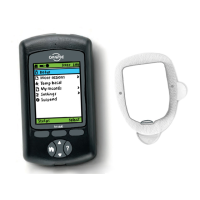
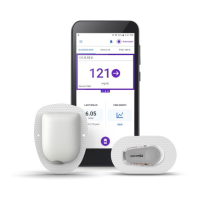
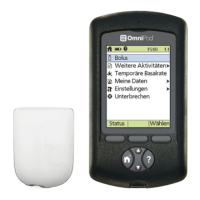
• Personal Diabetes Manager (PDM)
• An emergency kit
• Vials of insulin (cargo area temperatures may aect insulin)
• A signed letter from your healthcare provider explaining you need to carry
insulin supplies and Omnipod® System equipment
• Prescriptions for insulin and supplies
• Snacks, in case food is not available
• Bottled water (especially on planes) to prevent dehydration
• e name and phone number of a physician at your nal destination, in case
of emergency.
Avoid Lows, Highs, and DKA
You can avoid most risks related to using the Omnipod® System by practicing
proper techniques and by acting promptly at the rst sign of hypoglycemia,
hyperglycemia, or diabetic ketoacidosis. e easiest and most reliable way to avoid
these conditions is to check your blood glucose oen.
General precautions
• Keep careful records and discuss changes and adjustments with your
healthcare provider.
• Tell your healthcare provider if you have extreme highs or lows, or if highs or
lows are occurring more oen than usual.
• If you have technical problems with your Omnipod® System and cannot
resolve them, do not hesitate to call Customer Care.
Hypoglycemia (low blood glucose)
Hypoglycemia can occur even when a Pod is working properly. Never ignore
the signs of low blood glucose, no matter how mild. If le untreated, severe
hypoglycemia can cause seizures or lead to unconsciousness. If you suspect that
your blood glucose level is low, check your blood glucose level to conrm.


 To Next Page