SIMPRO-100
Event Analysis
9
PRIM-2400C 117
9 Event Analysis
9.1 Introduction
The SIMPRO-100 Relay provides several
facilities to analyze the cause of relay operations.
Use these tools to help diagnose the cause of the
relay operation and more quickly restore the
protected motor to service. Each tool, listed
below, provides increasing detail regarding the
causes of a relay operation.
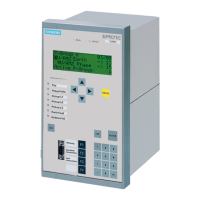
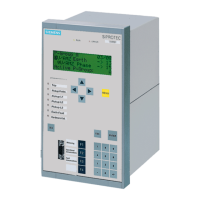
• Front-panel target LEDs
• Front-panel display trip messages
• Front-panel history data menu
• Serial port text and oscillographic event
reports
• Serial port SER function
9.2 Front-Panel Target LEDs
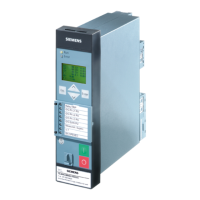
Table 9.1 SIMPRO-100 Relay Front-Panel Target LED Definitions
9.2.1 Resetting Front-Panel Targets
To reset the front-panel tripping targets, select the
Reset Trip/Targets function from the front-panel
display main menu, or execute the serial port
TARGET R command. When you reset the relay
targets using one of these methods:
• All tripping LEDs are extinguished if the trip
condition has vanished and no lockout
conditions remain.
• The front-panel display trip message
(described in Section 9.3, page 118) is
cleared.
Note: If you try to reset the relay targets and
one or more of the red LEDs remains
lit after the target reset command, the
tripping condition or a lockout
condition is still present. Correct the
condition that caused the relay to trip
and try again.
LED
Label
Definition
Relay
Enabled
Illuminated whenever the relay is in service. If this LED is not illuminated, the relay is out of service. Verify relay
control power and self-test status.
Motor
Energized
This LED remains off while the motor is stopped, flashes while the motor is starting, and remains on while the
motor is running.
Thermal
Overload
This LED flashes when the thermal element reaches the alarm level, or if any monitored, healthy RTD exceeds its
alarm temperature. This LED remains on steadily after a thermal element trip, load jam trip, speed switch trip, or
RTD temperature trip.
Overcurrent This LED remains on steadily after a trip due to a short circuit fault detected by a phase, negative-sequence,
residual, or neutral overcurrent element.
Unbalance This LED flashes when the current unbalance alarm element picks up. This LED remains on steadily after a trip
while the current unbalance element is picked up or after a phase reversal trip.
Load Loss This LED flashes when a load loss alarm occurs or if the underpower alarm element picks up. This LED remains
on steadily after a load loss trip or a trip while the underpower element is picked up.
Voltage This LED flashes when a power factor or reactive power alarm occurs. This LED remains on steadily after a
power factor or reactive power trip or a trip that occurs while an undervoltage or overvoltage element is picked up.
Frequency This LED remains on steadily after a trip that occurs while an over- or underfrequency element is picked up.



 To Next Page