4–8 Chapter 4: IP Core Architecture
Protocol Layers
Cyclone V Hard IP for PCI Express November 2011 Altera Corporation
■ Transmitting and decoding the training sequence
■ Providing hardware autonomous speed control
■ Implementing auto lane reversal
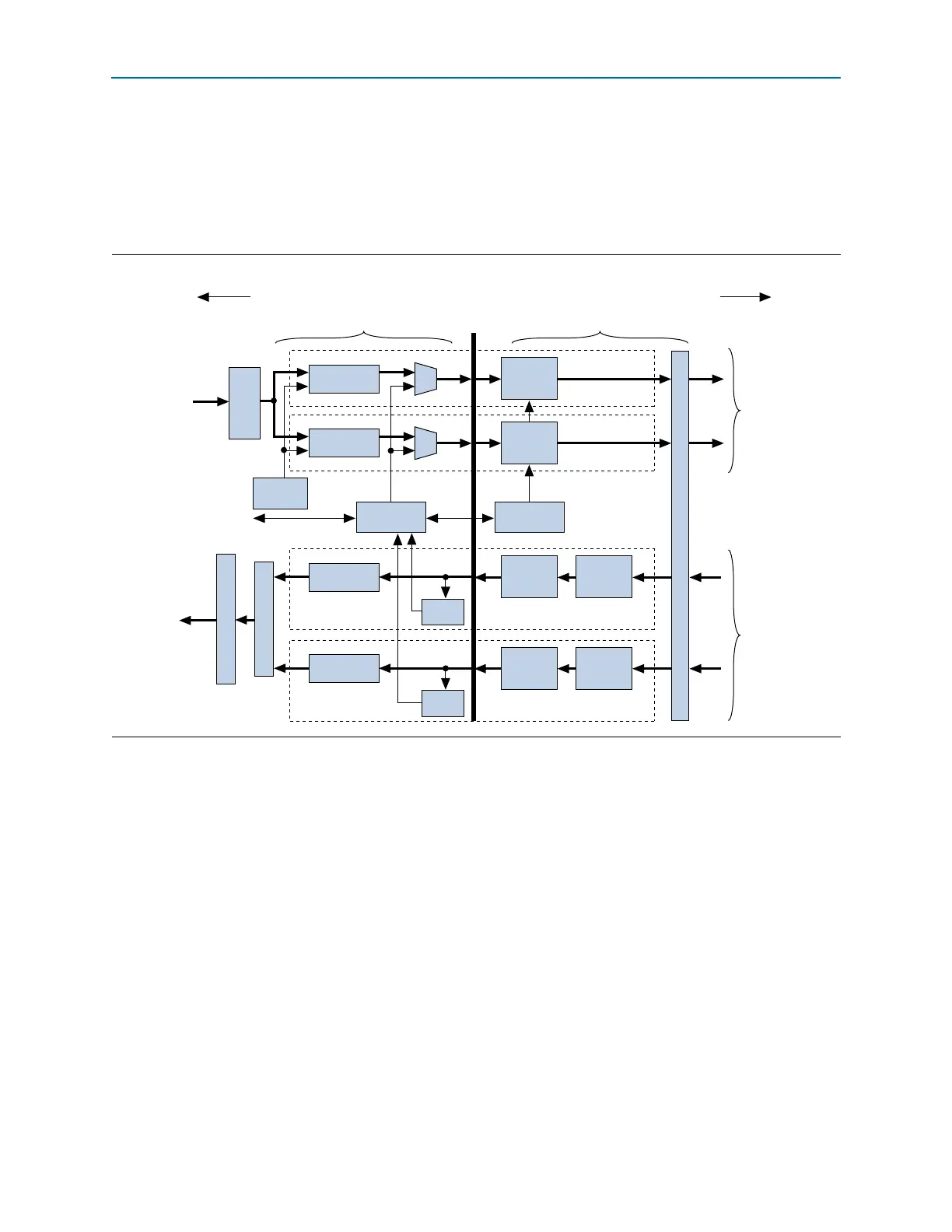
Figure 4–4 illustrates the Physical Layer architecture.
The Physical Layer is subdivided by the PIPE Interface Specification into two layers
(bracketed horizontally in Figure 4–4):
■ Media Access Controller (MAC) Layer—The MAC layer includes the LTSSM and
the scrambling/descrambling and multilane deskew functions.
■ PHY Layer—The PHY layer includes the 8B/10B encode/decode functions, elastic
buffering, and serialization/deserialization functions.
The Physical Layer integrates both digital and analog elements. Intel designed the
PIPE interface to separate the MAC from the PHY. The Cyclone V Hard IP for PCI
Express complies with the PIPE interface specification.
Figure 4–4. Physical Layer
Scrambler
8B10B
Encoder
Lane n
Tx+ / Tx-
Scrambler
8B10B
Encoder
Lane 0
Tx+ / Tx-
Descrambler
8B10B
Decoder
Lane n
Rx+ / Rx-
Elastic
Buffer
LTSSM
State Machine
SKIP
Generation
Control & Status
PIPE
Emulation Logic
Link Serial izer
Link Serial izer
Tx Packets
Rx MAC
Lane
Device Transceiver (per Lane) with 2.5 or 5.0 Gbps SERDES & PLL
Descrambler
8B10B
Decoder
Lane 0
Rx+ / Rx-
Elastic
Buffer
Rx MAC
Lane
PIPE
Interface
Multilane Deskew
Rx Packets
Transmit
Data Path
Receive
Data Path
MAC Layer PHY layer
To LinkTo Data Link Layer


 To Next Page