2-3
2.2.2 Internal Module Rack COM Board
Two models of internal module rack COM boards are available. The N12/M12 uses the 4-slot COM board, and the
N15/M15/N17/M17 uses the 6-slot COM board. The internal module rack COM board is used to provide the interface for
communication with the parameter module, the SMR interface and nurse call interface, and the MPAN module interface.
Besides, the data forwarding FPGA and corresponding power circuit are also provided on the internal module rack COM
board.
2.2.3 Power Architecture
AC/DC
module
100~240V AC
AC-DC in
Battery
BAT
charger
switch
M0
DC/DC
+12V
DC/DC
LDO
+3.3V_1
VBUS:
9.6~11.1V,
+15V
ON/OFF
ON/OFF
+5V
Power switch
board
+5V/+3.3V
+3.3V
Alarm lamp
board
Photo
senseor
Led driver
Recorder
+12V
LCD&TP
+12V
Internal module rock COM
board
iView module
+12V
Independent display
board
+5V
+5V
ON/OFF
+3.3V
DC/DC
DC/DC
+3.3V_2
MPAN module
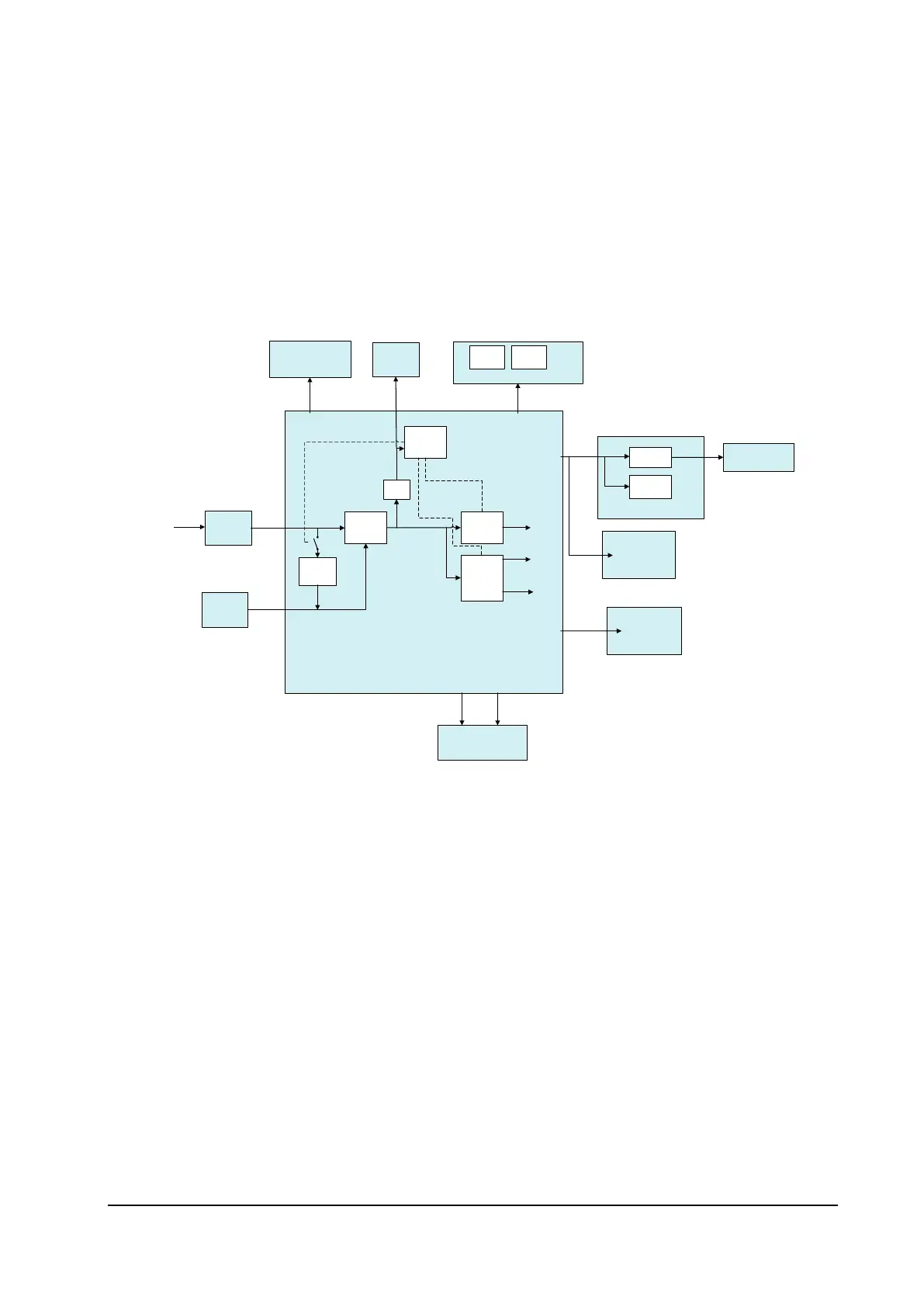
Figure 2-3 Diagram of power architecture
The AC/DC power module outputs 15V to the main control board, and 3.3V, 5V and 12V can be generated through the
internal DC-DC conversion circuit in the main control board to provide a power supply to other modules or boards in the
main unit. The battery charging circuit is powered by 15V, and the AC power supply and battery power supply can be
switched according to AC on-line detection.
The +12V power supply is provided to the power supply, including the external module rack, and the DC-DC isolation
design is implemented at the module end.
The iVIew assembly uses the power rail Vbus, which is the switching output between the AC-DC output and battery and
aims to avoid abnormal power failure of the iView module and running exception of the Windows OS running on other
modules due to an unexpected power failure of the AC power supply. The battery supports the main unit to stop the
iView module in the normal power-off mode. In the case of battery power supply, the iView module cannot start.



 To Next Page