114 I-Modell - 11/12 - Ausgabe 09/11 - 2096165 - BUE-0056-05EN
Electrical system
8
If the vehicle is connected to the 230 V power supply, the living area battery
and the starter battery are automatically charged by the charger module on the
transformer/rectifier. The starter battery is only charged with a float charge.
The charging current is adapted to suit the charging condition of the battery.
This ensures that it is not possible to overload the battery.
To make use of the maximum output from the charger module on the trans-
former/rectifier, switch off all electrical appliances during charging.
8.5 Transformer/rectifier (EBL 220)
Z Do not cover the ventilation slots. Danger of overheating!
Z Depending on the model, not all slots for the fuses are occupied.
Z If there are several living area batteries, use an auxiliary charging unit.
Z Further information can be obtained in the device manufacturer's instruc-
tion manual.
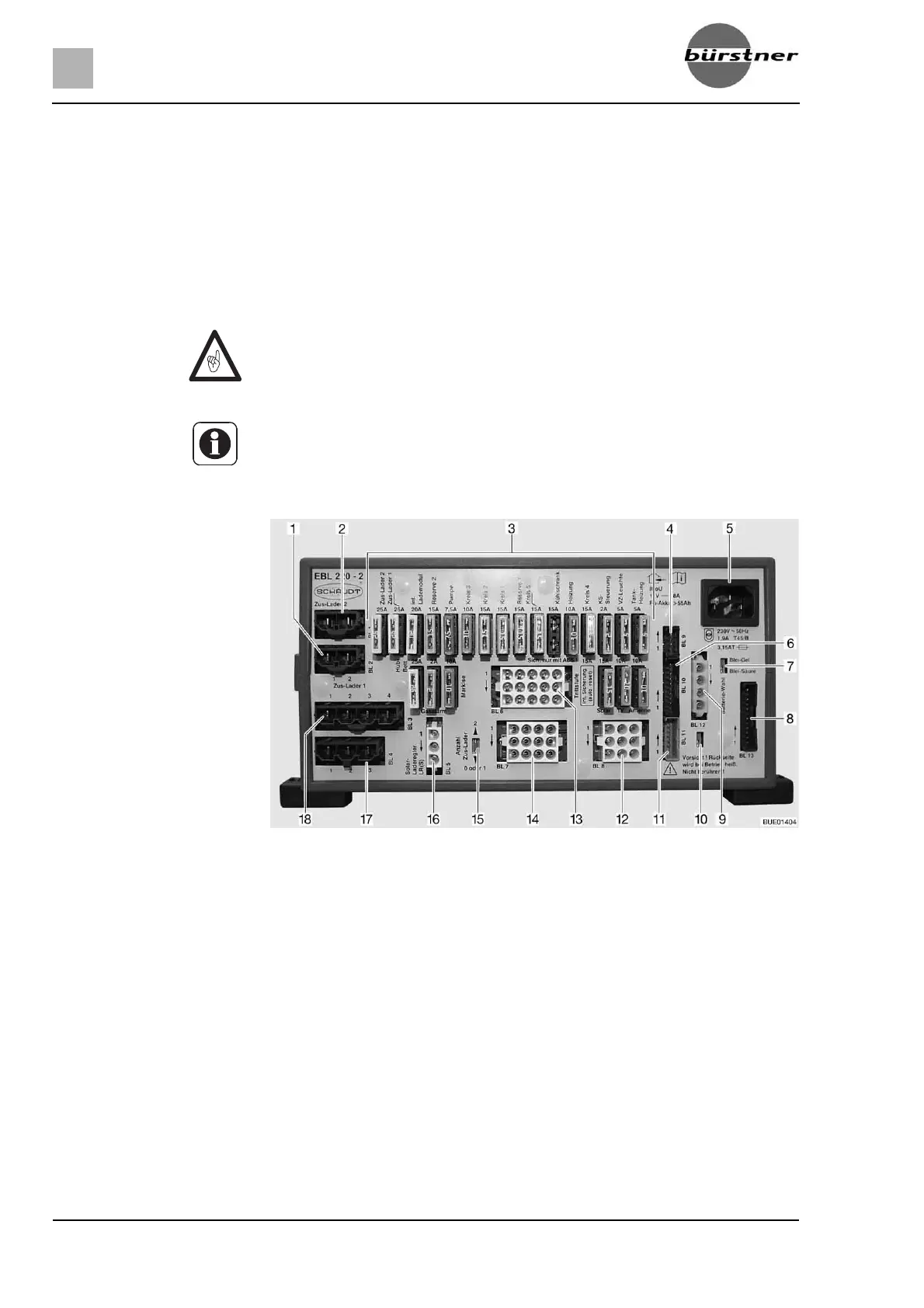
Fig. 128 Transformer/rectifier (EBL 220)
1 Connections BL 2 - auxiliary charging unit 1
2 Connections BL 1 - auxiliary charging unit 2
3Flat fuses
4 Connections BL 9 - solar charge regulator
5 Mains connection 230 V
6 Connections BL 10 - panel
7 Battery selector switch "Blei-Säure/Blei-Gel" (lead acid/dryfill)
8 Connections BL 13 - panel
9 Connections BL 12 - sensor for living area battery D+
10 Change-over switch D+ active to +12 V (D+ active to ground (factory setting))
11 Connections BL 11 - panel
12 Connections BL 8 - entrance step, TV, antenna
13 Connections BL 6 - heater, water pump, spare
14 Connections BL 7 - awning, tank heater, awning light
15 Selector switch for the number of auxiliary charging units
16 Connections BL 5 - solar charge regulator
17 Connections BL 4 - refrigerator from starter battery
18 Connections BL 3 - refrigerator



 To Next Page