MX8000 Installation and Operation Guide
8–12
8.4.7.4 Common Listen-in Extend/End Request
During a listen-in operation if the call requires additional time you can extend the listen-in period by
sending an extend request. At the end of a listen-in call you can end the session by sending an end request.
Some control panels send a listen-in period included in the reported message to the receiver. If the listen-in
period is not sent from the control panel, the programmed listen-in period will be used. See Section 5.5.2.4.
To Extend Listen-in:
<$4C><Receiver ID><$22><LC#><V-byte><$0D>
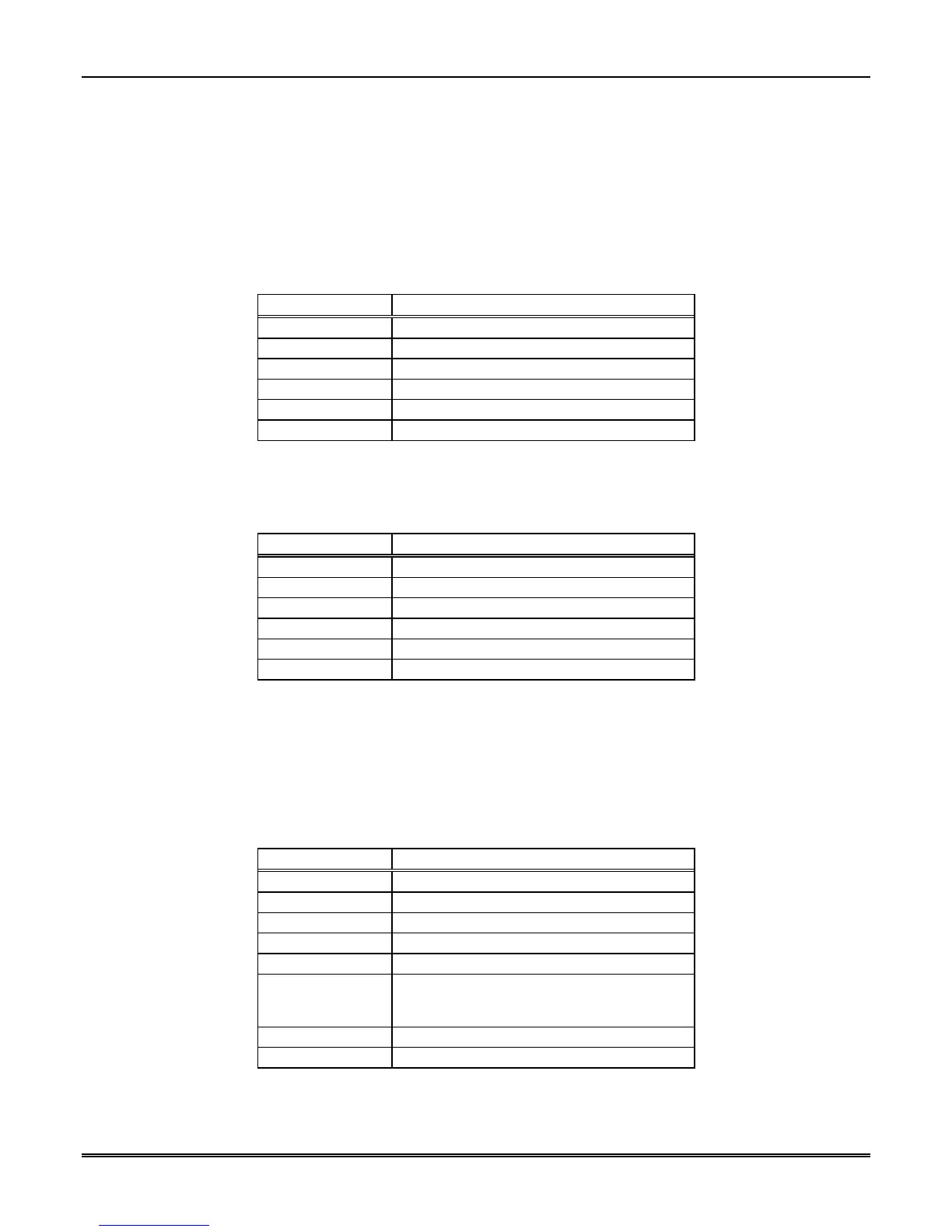
Table 8–20: Extend Listen-in Period Request Components
Component Description
<$4C> Command request identifier. See Table 8–14.
<Receiver ID> Receiver ID number. 1 or 2 ASCII digits.
<$22> Separator
<LC#> The LinePort number.
<V-byte> Validation Byte (V-byte). See 8.4.5.
<$0D> End of message indicator.
To End a Listen-in Session:
<$48><Receiver ID><$22><LC#><V-byte><$0D>
Table 8–21: End Listen-in Period Request Components
Component Description
<$48> Command request identifier. See Table 8–14.
<Receiver ID> Receiver ID number. 1 or 2 ASCII digits.
<$22> Separator
<LC#> The LinePort number.
<V-byte> Validation Byte (V-byte). See 8.4.5.
<$0D> End of message indicator.
8.4.7.5 PBX Listen-in String
When PBX listen-in mode is selected (see Section 5.5.2.4), the receiver will transfer the call to the extension
X string. The PBX string can also be programmed in to the receiver from the automation computer.
To Create or Edit PBX String:
<$49><Receiver ID><$22><LC#><$22><PBX String><V-byte><$0D>
Table 8–22: Delete a Listen-in Account Request Components
Component Description
<$49> Command request identifier. See Table 8–14.
<Receiver ID> Receiver ID number. 1 or 2 ASCII digits.
<$22> Separator
<LC#> The LinePort number.
<$22> Separator
<PBX String> PBX string to transfer a call to a specified
extension. See Table 5–13 for valid string
characters.
<V-byte> Validation Byte (V-byte). See 8.4.5.
<$0D> End of message indicator.



 To Next Page