Section 4 – Operation
4–19
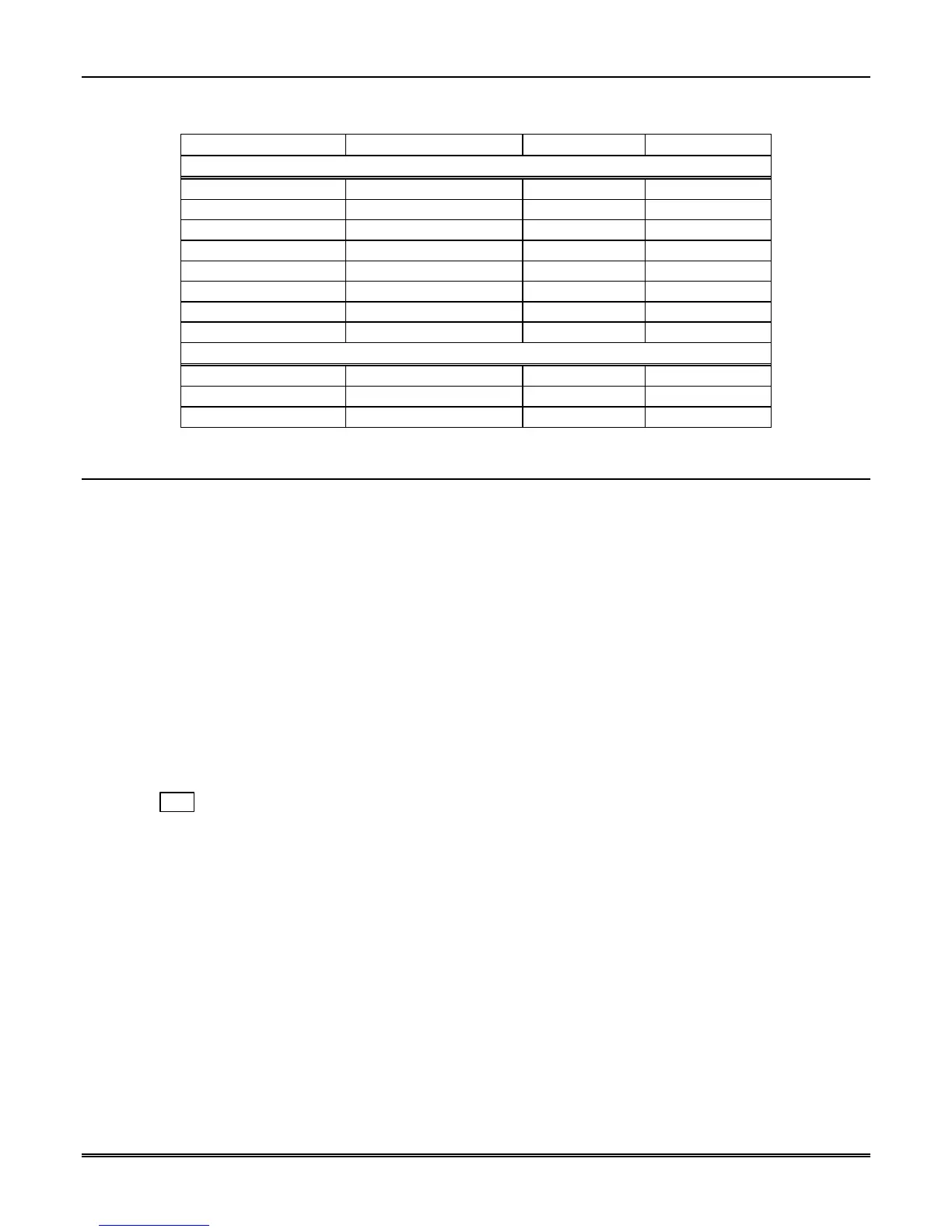
Table 4–9: Abbreviation Display Character Meanings/High Low Status
Abbreviated Character Meaning
↑
↑↑
↑ (Bit High) ↓
↓↓
↓ (Bit Low)
Serial Port (Com 1 & Com 2)
DSR Data Set Ready Ready Not Ready
DTR Data Terminal Ready Ready Not Ready
CTS Clear to Send Ready Not Ready
RTS Request to Send Ready Not Ready
B Receive Break Received Break Ready
F Framing Error Framing Error Ready
P Parity Error Parity Error Ready
O Overrun Error Overrun Error Ready
Parallel Port
LINE printer on-line status. Printer On-line Printer Off-line
READY Printer ready status Printer ready Printer not ready
PAPER Paper status Paper status OK Out of paper
4.7 Listen-In and Hang Up
This section explains how to operate the receiver for listen-in calls. Some panels that perform listen-in send
a listen-in indicator (Contact ID
®
E606 1 and 3 or SIA LF and LE) included in the reported message to the
receiver. Any panel that does not send this message must be added to the Listen-In Account List (see Section
5.5.2.4 for the MX8000–LC3 or 5.5.4.4 for the MX8000–LC1).
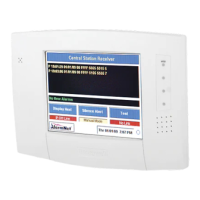
When a listen-in call is received by the MX8000, the VFD display will indicate the account number and
(depending on the panel) the listen-in timeout period. The listen-in LED on the line card will be illuminated
to confirm the line card indication.
Listen-In has two modes of operation called common and PBX. When operating in the common mode, the
line is available to be monitored locally for a period of time that is programmed into the MX8000 and the line
card continues to monitor the call. When operating in the PBX mode, a listen-in call is transferred to a phone
number that is programmed into the MX8000 and the line card will release the call.
4.7.1 Extend Manual (Common) Listen-In Operation
Follow these steps to extend common listen-in time period:
1. Press
LISTEN
#
.
2. Enter the Line number.
3. Pick up the telephone the listen-in call is on. See Figure 4–26 for a diagram of how the listen-in phone
should be connected (in parallel) with the phone line of the Line.
Note: Figure 4–26 shows an MX8000-LC3 3-line card. The phone connection is the same when using an
MX8000-LC1 1-line card.
4. Perform the listen-in procedures for that panel (refer to panel operation manual).



 To Next Page