Chapter 5 — Firmware Download
ED40 Decode Board Integration Guide 45
The header in the *.bin file is used to verify that the firmware is compatible with your
product. Before downloading and installing the firmware, check and make sure that
your product ID is listed is in the “Product ID” field of the header. You can get your
product ID by sending the FIRMWARE_VERSION command. For more information,
see “FIRMWARE_VERSION – 0x13” on page 51.
If you are using a *.raw file, simply download the entire file. However, without a
header, there is no way to verify that the firmware is compatible with your
product.
Using the Firmware Download Commands
The firmware is downloaded to the imager using the firmware download
protocol. The commands are sent from the host to the imager via the flash driver.
The RTS/CTS hardware protocol is active by default in the imager when using the
Download Mode. However RTS/CTS is not supported by the USB interface. In
this case, or if your system does not support RTS/CTS, activate the ACK software
protocol or the no protocol mode by sending the PROTOCOL_MODE firmware
download command. For more information see “PROTOCOL_MODE – 0x10”
on page 48.
Here are a few important points when sending commands:
• If the host is transmitting data, the inter-character delay must be less than 200
milliseconds because of the imager watchdog timeout.
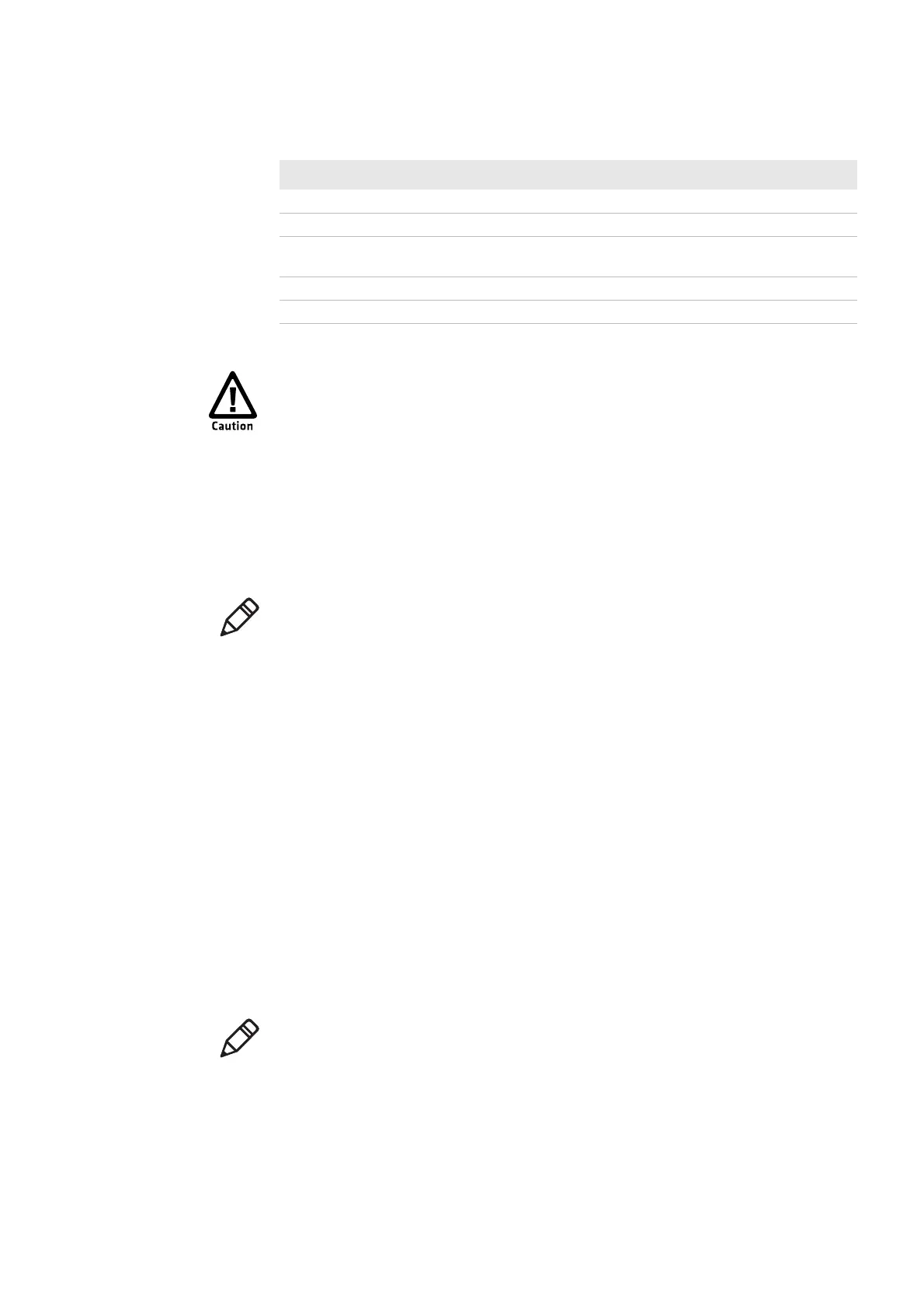
Header—*.bin Firmware Download File
Length Value Description
6 bytes 33 05 61 39 98 58 Header start flag.
2 bytes variable Number of products supported.
4 bytes × number of
products supported
variable Product ID(s).
6 bytes 33 05 61 39 20 00 Header end flag.
2 bytes 00 00 End of binary header.
Do not download the header of the *.bin file to your product. If you
download the header, your product will not function correctly.
Note: Intermec recommends using a *.bin firmware download file and
performing the verification described above to make sure that the firmware is
compatible with your product. This avoids downloading firmware that will not
work with your product.
Note: For detailed information on RTS/CTS and ACK protocols see “RTS/CTS
Hardware Protocol” on page 58 and “ACK Software Protocol” on page 59.


 To Next Page