33
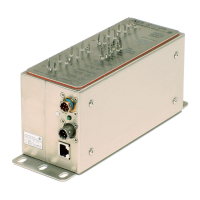
MPS4232
Section 5: Software
The ring buer on the MPS4200 sits between the scan task and the binary output task. It is 32768 elements in size with each
element holding 160 bytes, making the total ring buer 5,242,880 bytes. At 1000Hz, the MPS can buer approximately 32.7
seconds of data (32768 / 1000). The binary output task has a lower priority than the scan task. This is necessary so that input
scan data is not missed.
The buer is the liaison between the scan task and the scan output task. The scan output task has a higher priority than the
scan task. Under inial condions, when the buer is empty, the scan task places one frame of data in the buer. It then
signals the scan output task to read the buer unl it is empty. However, when mulple frames of data are in the buer, the
output task connues unl the buer is empty. Mulple frames of data will accumulate if the scan output task is blocked by
the network while outpung data.
The MPS may be congured in three basic network arrangements:
The isolated MPS network provides the fastest possible data throughput because other network trac has been eliminated.
MPS commands are issued from the network client/host and data is directed to the network client/host in user-congured
format. This conguraon is ideal for high speed data transfer with data reducon that is handled by the network client/
host.
The integrated MPS provides the most accessible data to all network clients. Any client/host on the network may control any
or all of the MPS’s. Depending on the data transfer protocol, network throughput may be reduced because of other network
trac. This conguraon is ideal for systems that can tolerate slower data transfer rates but require easy access by mulple
client/hosts to each MPS unit.
The MPS sub-network allows high speed data transfer of the sub-network while allowing access by a larger network. The
gateway is most eecve as a mul-homed client/host that can store the MPS data for later access by client/hosts on the
main system network.
When requested the MPS sends an applicaon packet to the client. Each packet sent to the client starts with a Packet Type
Word. This word denes the packet type. All packet data will be received as signed.
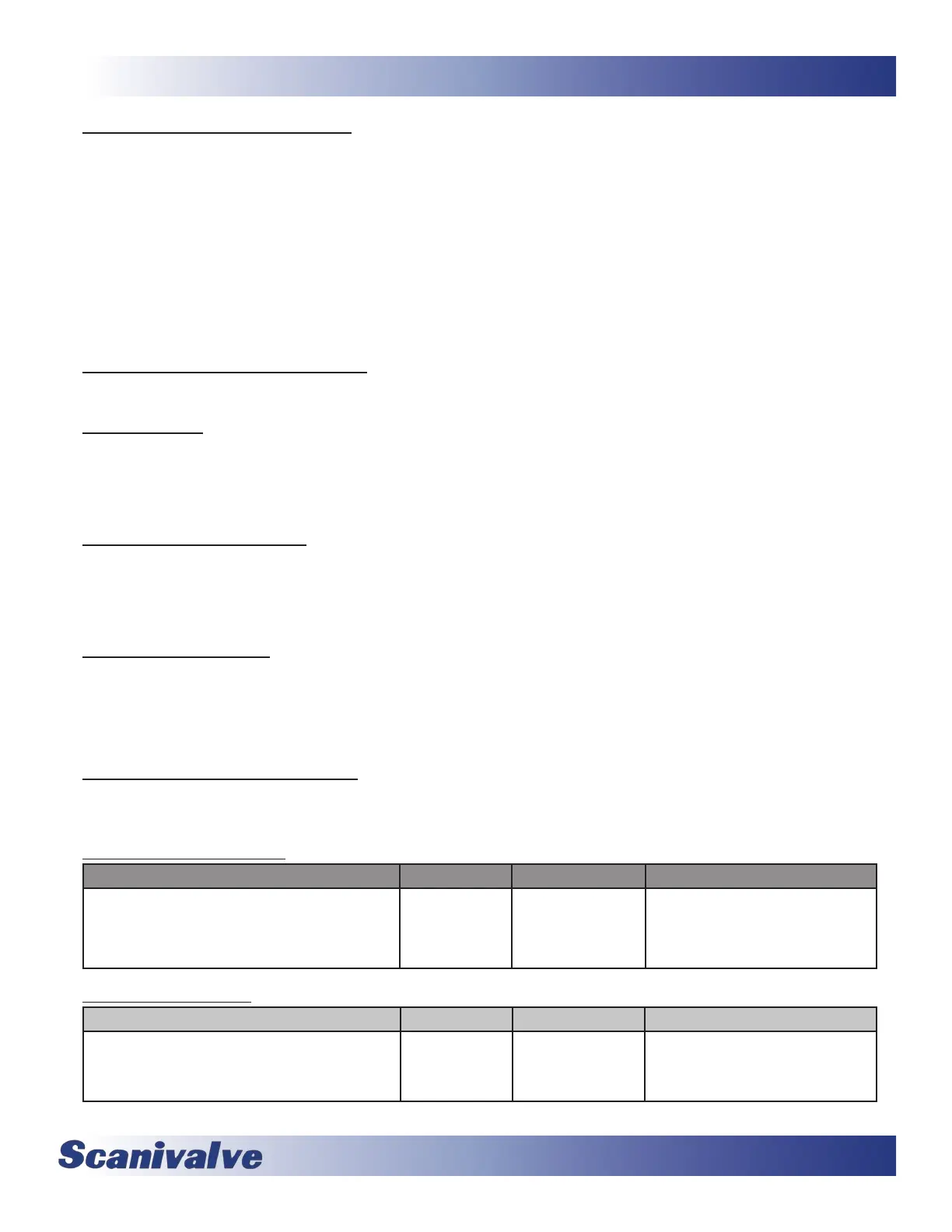
FUNCTION BYTES DATA TYPE DESCRIPTION
ASCII command data. Refer to the command
secon of this manual for more informaon.
1 to 80 String
Unique to packet.
Each line/command must
be terminated with a <CR>,
<CR-LF> or <LF-CR>
FUNCTION BYTES DATA TYPE DESCRIPTION
ASCII data*. Refer to the Command Secon of
this manual for the proper Command return
formats.
1 to 1492 String Unique to packet and varies.



 To Next Page