Purpose
L
e
a
k
detection is used to detect
m
i
c
r
o
-
o
pe
n
i
n
g
s
,
porosities, etc.
i
n
test
p
a
r
t
s
.
T
h
e
detection
o
f
these
passages
i
n
v
o
l
v
e
s the use
o
f
a
l
i
g
h
t
gas,
which is
c
a
p
a
b
l
e
o
f
i
n
f
i
l
t
r
a
t
i
n
g
the s
m
a
ll
e
s
t
passages q
u
i
c
k
l
y
.
T
h
e
s
t
a
n
d
a
r
d
gas
used is the
H
e
l
i
u
m
4 but the
o
pe
r
a
t
o
r
has
the
p
o
ss
i
b
i
l
i
t
y
with the 3
masses
option to use
a
n
o
t
h
e
r
gases:
Hydrogen or
H
e
l
i
u
m
3.
Background is much higher in H
2
.
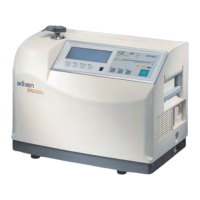
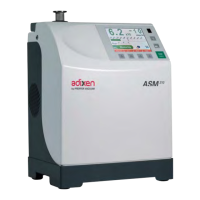
The unit
equipped
with the 3 masses option does not have
any
external differences in relation to the
standard
unit. The
modifications
are inside the unit (analysis cell magnet and electronic
super
visor
board).
T
ypical
background
values, in cycle, detector on itself:
-
At start ± low
range 10
-5
mbar
.l/s.
-
After 2 or 3 hours ± low
range 10
-6
mbar
.l/s.
The 3 masses option purpose, used with Hydrogen, is the
leak
research only and not the continuous analysis of the
hydrogen
concentration of a
gas.
The leak detector is not
adapted
for a
hydrogen concentration
continuous analysis. The leak detector use in such
conditions,
as well as the
hydrogen
concentration of the gas used,
are
under the supervision of the
use
r
.
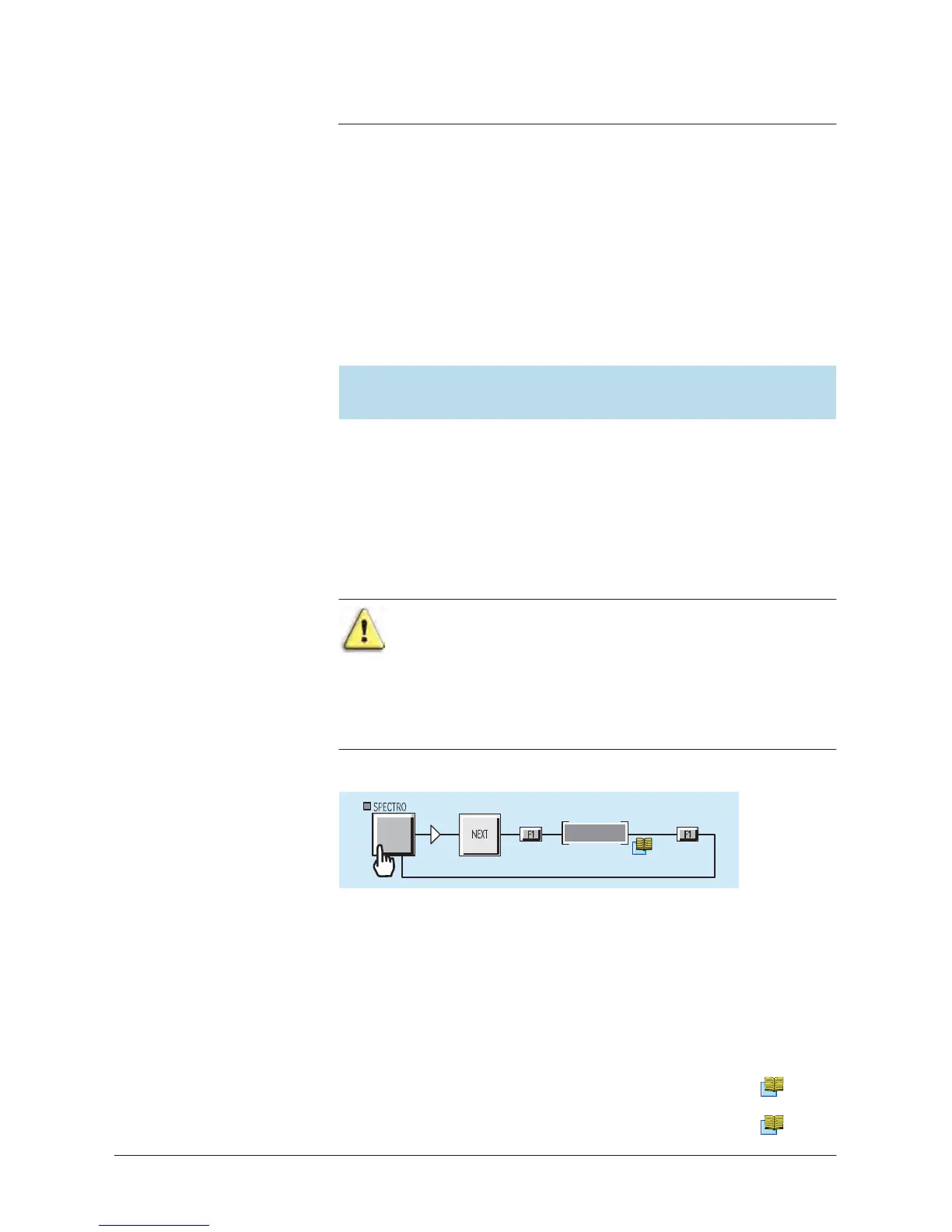
Gas
selection
The functions are the same as the
standard
detector
.
Adjustment
4x
C
110
Calibration in
Hydrogen or Helium
3
Procedure
The leak detector can be
calibrated
in Hydrogen or Helium 3 with
an
external
calibrated
leak
connected
to the leak detector inlet.
Connect an Hydrogen or Helium 3
calibrated
leak at the inlet of
the
leak
detector
.
The
operator
should adjust the
parameters
of the
calibrated
leak
used.
Calibrated leak values
programming
C
305
Calibration of the leak detector C
300
1
/1



 To Next Page