EasyManua.ls Logo

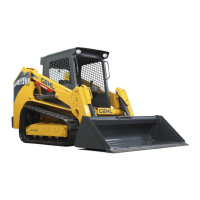
Gehl RT210 - User Manual

Gehl RT210
280 pages
Print Icon
To Next Page IconTo Next Page
Loading...
RT175/RT175 Gen:3
Tier 4i Engines – Serial Numbers 10951 - 811000
Tier 4 Engines – Serial Numbers 811051 and Up
RT210/RT210 Gen:3
Tier 4i Engines – Serial Numbers 21201 - 921000
Tier 4 Engines – Serial Numbers 921651 and Up
RT250 Gen:3
Tier 4 Engines – Serial Numbers 70501 and Up
Compact Track Loader
Operator’s Manual
50940411 Rev. G 02/19

Table of Contents

Questions and Answers

  • J
    Jared JohnsonAug 17, 2025
    What to do if Gehl RT210 Compact Loader engine runs, but travel drive doesn't operate?
    • R
      Robert RomeroAug 17, 2025
      If your Gehl Compact Loader's travel drive isn't working despite the engine running, several things could be the cause. The parking brake might be applied, so disengage it. There could be a parking brake switch malfunction, so replace the parking brake switch(es). A blown fuse could also be the issue, so check the circuit and replace the fuse. The operator might not be in the operator’s seat, so ensure the seat is occupied for the travel drive to operate. The cab door might be open (if equipped), so close the cab door. A drive system component malfunction could also be the problem or there might be an error code present.
  • C
    cprattAug 21, 2025
    Why aren't the hydraulics working on my Gehl RT210?
    • C
      Corey RichardsonAug 21, 2025
      If the hydraulics on your Gehl Compact Loader aren't working or have poor performance, there are several potential causes. There might be an error code present. The hydraulic oil level could be low, so top it off. The hydraulic oil might not be at operating temperature, so allow for a longer warm-up. Other possibilities include damage to the engine to pump coupling or hydraulic pump (contact dealer), pressure limiting valves set too low or damaged (contact dealer), damaged hydraulic cylinder(s) (contact dealer), damaged control valve(s) (contact dealer), engine speed too low (adjust engine speed), or dirty/restricted air filter(s) (replace filter(s) and/or remove restriction).
  • A
    Anne TurnerAug 26, 2025
    How to troubleshoot loss of electrical power in Gehl RT210 Compact Loader?
    • M
      mherringAug 26, 2025
      If you're experiencing a loss of electrical power in your Gehl Compact Loader, start by checking the battery terminals and cables for looseness or corrosion; clean and tighten them as needed. If that's not the issue, the battery itself might be malfunctioning, so test it and recharge or replace it as necessary. Finally, a blown main fuse could be the culprit; correct the over-current problem and replace the main fuse.
  • M
    Michael KellerAug 29, 2025
    What causes instrument display not to activate on Gehl RT210?
    • D
      Dr. Karen HallAug 29, 2025
      If the instrument display on your Gehl Compact Loader doesn't activate when the ignition is turned on, it could be due to a few reasons. First, check for a blown main fuse and replace it after correcting any over-current issues. Also, inspect the battery terminals and cables for looseness or corrosion, cleaning and tightening them as needed. Another possibility is an ignition switch malfunction, which would require replacing the switch. In very cold weather, the display screen might be slow to activate, so allow a few minutes for it to display.
  • D
    Darren HoNov 3, 2025
    Why won't my Gehl RT210 engine start?
    • J
      Jonathan WellsNov 3, 2025
      The Gehl Compact Loader might not start due to several reasons. It could be an error code “0” because the arm rest/safety bar is in a raised position, the cab door isn't closed (if equipped), or the operator’s seat isn't occupied. In this case, lower the arm rests/safety bars, close the cab door (if equipped), and occupy the operator’s seat. Alternatively, it might be an engine error code “1078-4”, in which case you should check the starting circuit wiring. Other potential causes include a blown fuse (check the circuit and replace the fuse), a dead battery (charge or replace the battery), a malfunctioning seat switch or safety bar arm/rest switch (replace the switch), a starter malfunction or engine electronics logic error (contact dealer), or the multi-purpose display not completely initi...
  • M
    Michael WallaceNov 7, 2025
    What to do if Gehl RT210 engine turns over but doesn't start?
    • M
      Mitchell HarrisNov 7, 2025
      If the engine of your Gehl Compact Loader turns over but doesn't start, several factors could be at play. The engine cranking speed might be too slow, so check the battery and charge or replace it if necessary. The fuel tank could be empty, so fill the tank and vent the fuel system. A plugged or restricted fuel filter could also be the culprit, requiring a replacement. In winter, paraffin separation might occur, so use winter grade diesel fuel. Check for fuel line leakage and tighten all threaded connections and clamps. Other potential issues include a pre-heating module malfunction (check connection and voltage and charge/replace as necessary), the fuel shut-off solenoid not energizing (check electrical connections/voltage to shut-off solenoid), a fuel pump malfunction (contact dealer), t...
  • J
    Jonathon HarperNov 11, 2025
    Why is my Gehl RT210 Compact Loader engine overheating?
    • T
      Tammie LambNov 12, 2025
      If your Gehl Compact Loader's engine is overheating, there are several potential causes. It could be due to an incorrect engine oil level (adjust the oil level), restricted cooling air circulation (turn the engine off and allow it to cool, then remove the restriction), or an improperly positioned fan shroud (contact dealer). Other possible reasons include using an improper oil grade or excessively dirty oil (change the engine oil and filter), a restricted exhaust (turn the engine off and allow it to cool, then remove the restriction), a restricted air filter (replace the filter(s)), a low coolant level (add coolant), leaks in the coolant system (repair/replace if necessary), a loose/worn V-belt (tighten/replace the V-belt), a dirty/restricted radiator (clean the radiator), or a slipping fa...

Summary

Introduction

Safety Symbol and Signal Words

Defines safety symbols and signal words like DANGER, WARNING, CAUTION, and IMPORTANT.

Proper Machine Use

Details the intended applications and limitations for the machine's operation.

Component Identification

Diagram and list identifying key machine components with corresponding numbers.

Vibration Information

Explains operator exposure to vibration and methods to reduce it.

Safety

Mandatory Safety Shutdown Procedure

Step-by-step instructions for safely shutting down the machine before maintenance or service.

During Operation

Guidelines and warnings for safe operation of the machine.

Parking the Machine

Instructions for safely parking the machine, including shutdown procedures.

Battery Hazards

Safety information related to battery handling, charging, and potential hazards.

Lifting the Machine with a Crane

Guidelines for safely lifting the machine using a crane.

Specifications

Fluids;Lubricants Types and Capacities

Details on recommended fluids, lubricants, types, and capacities for the machine.

Dimensions

Provides detailed measurements and dimensions of the machine with diagrams.

Payloads;Capacities

Lists the rated operating capacities and tipping loads for various attachments and configurations.

Engine

Technical specifications for the engine, including make, model, displacement, power, and fuel system.

Hydraulic System

General information and specifications for the hydraulic system, including pressure settings.

Controls

Table 21: Controls

Lists and describes the location and function of various machine controls and switches.

Multi-Function Display

Explanation of the multi-function display's screens, indicators, and operational status.

Travel Controls

How forward, reverse, and turning functions are performed using the control joysticks.

Straight Tracking Adjust

Procedure to adjust the drive system to track straight in forward and reverse directions.

Parking Brake;Work Hydraulics Lock-out

Explanation of how the parking brake and work hydraulics are locked out by safety bars/arm rests.

Seat Belt

Crucial information on seat belt usage, maintenance, and safety.

Operation

Pre-Start Checks

Detailed checklist of items to inspect before starting the engine and using the machine.

Starting the Engine

Comprehensive guide to starting the machine's engine, including pre-start checks and safety warnings.

Warm Up

Procedure for warming up the machine's hydraulics and engine before operation.

Diesel Particulate Filter (DPF) Regeneration Procedures

Explanation of DPF regeneration modes and procedures for Tier 4 engines.

Travel Drive Operation

Guidelines for operating the machine's travel drive system safely.

Lift Arm Operation

Guidelines for operating the lift arm, including load capacity and transport position.

Lift Arm Support

Critical safety instructions for engaging and disengaging the lift arm support device.

Connecting;Disconnecting Attachments

Detailed instructions for connecting and disconnecting attachments using Power-A-Tach® or manual hitch.

Auxiliary Hydraulics Operation

Explanation of standard and high-flow auxiliary hydraulics control and operation.

Maintenance

Maintenance Schedule

Guidelines for maintenance intervals based on operating hours and conditions.

Engine Maintenance

Procedures for accessing and maintaining the engine, including covers and components.

Hydraulic System Maintenance

General guidelines and safety precautions for maintaining the hydraulic system.

Changing Hydraulic Oil and Filter

Instructions for changing the hydraulic oil filter and the hydraulic oil itself.

Travel Motor Maintenance

Procedures for checking and changing the travel motor gearbox oil for RT175/RT210 and RT250.

Track Replacement

Step-by-step instructions for replacing the machine's rubber tracks.

General Lubrication

Daily lubrication points and guidelines for applying grease to fittings.

Raising ROPS;FOPS

Steps for raising the ROPS/FOPS and securing it with the tilt prop bar.

Electrical System

Safety precautions and general information regarding the machine's electrical system.

Fuses and Relays

Information on blown fuses indicating malfunctions and how to replace them.

Control Modules

Location and function of electrical control modules under the ROPS/FOPS.

Long-Term Storage

Procedures for storing the machine for extended periods, including before and after storage steps.

Troubleshooting

Engine Troubleshooting

Diagnosing and correcting common engine-related problems.

Hydraulic System Troubleshooting

Diagnosing and resolving problems related to hydraulics not working or having poor performance.

Hydrostatic Travel Drive System Troubleshooting

Troubleshooting issues with the hydrostatic drive system, including responsiveness and errors.

Electrical Troubleshooting

Diagnosing and resolving common electrical system problems, including power loss and display issues.

Error Codes

Explanation of error codes reported by the multi-function display.

Drive and Valve Error Codes

List of error codes related to the drive system and hydraulic valves.

Schematics

Schematic Conventions

Defines harness naming conventions, circuit sets, and wire color abbreviations used in schematics.

Model RT250 (SN 70501 and Up) Schematics

Schematic diagrams for the RT250 model, including fuse and relay locations.

RT175; RT210 with Tier 4 Engines Connector; Splice Locations Index

Index of RT175/RT210 Tier 4 engine connectors and splice locations.

Engine;Starting and Charging - Model RT175; RT210 with interim Tier 4 Engines

Schematic for engine starting and charging systems for RT175/RT210 interim Tier 4 engines.

Engine ECU - Models RT175; RT210 with Tier 4 Engines

Schematic diagram for the Engine ECU connections for RT175/RT210 Tier 4 engines.

Operator;Drive Controls - Models RT175; RT210 with Tier 4 Engines

Schematic of operator and drive controls for RT175/RT210 Tier 4 engines.

High-Flow;Self-Level;Power-A-Tach Quick Attach System - Models RT175;RT210 with Tier 4 Engines

Schematic for high-flow, self-level, and Power-A-Tach® systems on RT175/RT210 Tier 4.

Hydraulic Schematic

Detailed schematic illustrating the machine's hydraulic system and component connections.

EC Declaration of Conformity

Torque Specifications

Hydraulic fittings with various seals (light application).

Torque values for hydraulic fittings with light application, for various threads and seal types.

Hydraulic fittings with various seals (heavy application).

Torque values for hydraulic fittings with heavy application, for various threads and seal types.

SAE Torque Values

Torque values in lb.-ft. for unified national threads across different grades and conditions.

Gehl RT210 Specifications

General IconGeneral
Rated Operating Capacity2, 100 lbs
Engine MakeYanmar
Tipping Load6000 lbs
Displacement202 cu in
Hydraulic Pressure3335 psi
Width72 in

Related product manuals